

Why Mailbox Services Drive Recurring Revenue
Mailbox rental services deliver one of the most attractive revenue models in retail: predictable monthly income with almost no inventory risk. A successful mailbox rental business setup generates consistent cash flow from existing square footage by transforming a simple space into a recurring revenue engine. Unlike product-based businesses that require stock replenishment, upfront purchasing, and markdowns, mailbox rentals provide reliable income that renews month after month or year after year.
The customer base for Commercial Mail Receiving Agency services remains steady across economic conditions. Remote workers need professional addresses for business registration and mail receipt. Entrepreneurs launching startups require legitimate business addresses without committing to expensive office leases. Small businesses, consultants, and e-commerce sellers rely on mailbox services to separate business mail from home addresses and maintain privacy. Virtual office operators bundle mailbox rentals with meeting room access and administrative support, creating premium service packages.
Compared to other retail services, mailbox operations require minimal ongoing overhead. There's no perishable inventory, no complex supply chain management, and no equipment that requires frequent replacement.
The primary costs center on facility space, staff time for mail handling, and regulatory compliance—all manageable expenses that scale gradually as your customer base grows. This makes mailbox services an ideal complement to existing shipping centers, print shops, or retail operations looking to diversify revenue without adding operational complexity.
CMRA Licensing and Regulatory Requirements
Before you invest in mailbox infrastructure, you need to understand what a Commercial Mail Receiving Agency (CMRA) is and how federal regulations shape your operational obligations. A CMRA is any business that receives mail on behalf of third parties—a definition that triggers specific compliance requirements from the United States Postal Service, the Bureau of Alcohol, Tobacco, Firearms and Explosives (ATF), and the Drug Enforcement Administration (DEA). These agencies require CMRAs to verify customer identities and maintain detailed records to prevent mail fraud and illegal shipments.
USPS regulations mandate that CMRAs complete USPS Form 1583 for every customer, which includes two forms of valid identification and a notarized signature. You must keep these forms on file and available for inspection. ATF and DEA rules add another layer: you cannot accept parcels containing firearms, explosives, or controlled substances without proper licensing, and you must report suspicious activity. Violating these rules can result in fines, loss of mail delivery privileges, or criminal penalties.
State and Local Licensing Variations
Licensing requirements vary by state and municipality, directly affecting your startup timeline and budget. Some states require a general business license only, while others mandate specific CMRA permits or bonding. California, for example, requires CMRAs to register with the Secretary of State and post a surety bond. Local zoning ordinances may restrict mailbox operations in certain districts or require conditional use permits, adding weeks or months to your approval process.
Your documentation checklist should include business registration (LLC or corporation formation), employer identification number (EIN), general liability insurance, tenant lease agreements that specify mail handling rights, and identity verification protocols that meet USPS standards. If you plan to offer notary services—a common add-on for mailbox businesses—you'll need a separate notary commission and bond.
How Compliance Costs Shape Your Pricing
These regulatory obligations translate directly into operating costs that must be reflected in your pricing tiers. Form 1583 processing takes staff time, identity verification requires secure document storage, and insurance premiums increase with mail volume. When you calculate monthly mailbox rental rates, factor in the cost of compliance labor, document management systems, and liability coverage. Customers paying premium rates for high-volume or business-tier mailboxes should cover proportionally higher compliance and risk management costs.

CMRA Compliance Checklist
Your compliance pathway starts at the federal level and moves to state and local requirements.
- USPS Form 1583 requires each tenant to complete identity verification before receiving mail—operators must retain copies of two forms of identification, including one government-issued photo ID. File Form 1583A to register your business as a CMRA with the Postal Service, which typically takes two to four weeks for approval.
- ATF and DEA registration may apply depending on your service offerings. Most mailbox-only operations skip this step, but operators handling shipments for licensed dealers need ATF Form 5310.12. Budget for a $200 federal application fee and allow four to six months for processing.
- At the state level, registration requirements vary. California requires a business license and fictitious name statement filed with the county clerk. Texas operators need a DBA registration and may face city-specific permits. Check your Secretary of State website for corporate filing requirements and plan for initial registration costs that cover standard state and local fees.
- Document your tenant agreements with templates that include forwarding instructions, acceptable use policies, and service termination clauses. These agreements protect both parties and satisfy regulatory disclosure requirements.
State Variations and Local Permitting
CMRA licensing costs and approval timelines vary widely depending on where you operate. In California, operators may pay over two thousand dollars annually between state registration, county business licenses, and municipal permits. Texas requires minimal state-level fees but imposes local zoning reviews that can extend approval timelines to four or five months in metro areas. Florida's simplified process allows operators to complete registration in about thirty days with annual fees closer to two hundred dollars.
Zoning restrictions add another layer of complexity. Some municipalities classify CMRAs as commercial mail facilities requiring specific zoning designations, while others allow them in mixed-use or retail zones. Cities with strict zoning codes may require conditional use permits, public hearings, or compliance with parking and signage ordinances. These requirements affect both your real estate options and startup timeline.
Local business licenses and mail handling regulations also differ. Certain jurisdictions require separate permits for mail acceptance, background checks for operators, or proof of lease agreements before issuing licenses. Understanding these regional costs is essential when building your pricing model and profitability projections.
Tiered Pricing Strategy for Market Competitiveness
Once you understand the regulatory costs that form your baseline expenses, the next step is building a pricing model that covers those obligations while remaining attractive to your local market. A tiered pricing structure allows you to serve different customer segments—from home-based freelancers who need a basic mailing address to established businesses that want full-service mail handling and package acceptance. This approach is essential when planning your mailbox rental pricing strategy.
Start by calculating your break-even point. Add up your monthly overhead: facility rent, CMRA compliance fees, staff time for Form 1583 verification, and mailbox hardware. Divide that total by the number of mailboxes you can realistically rent during your first six months. This gives you the minimum monthly rate needed to cover fixed costs before profit. From there, research local competitors—other CMRAs, UPS Stores, coworking spaces offering mail services—to understand what customers in your area already pay.
Building Your Three-Tier Model
Your basic tier should anchor to local market rates and serve price-sensitive customers who simply need a physical address for business registration or mail receipt. This tier typically includes a street address, mail storage in the mailbox, and monthly pickup access. Pricing should sit at or just below the average competitor rate you researched, covering your break-even threshold with a modest margin.
The standard tier adds convenience services that justify a higher monthly fee—mail forwarding to another address, email or text notifications when items arrive, and acceptance of packages from all carriers. These features cost you minimal labor but solve real pain points for customers who travel frequently or manage remote teams.
Your premium tier is where margin expansion happens. Include unlimited mail forwarding, priority package handling, phone answering or virtual receptionist services, notary access, and extended access hours. Customers paying for this tier are established businesses that view your location as an extension of their operations, not just a mailbox.
Premium pricing can run two to three times your basic rate because the value proposition shifts from address rental to full administrative support.
Location and Customer Profile Adjustments
Adjust all three tiers based on your specific location premium. A CMRA in a downtown financial district or prestigious ZIP code commands higher rates than one in a suburban strip mall. Similarly, tenants running law firms or consulting practices expect—and will pay for—different service levels than online sellers who need package acceptance only.
Pricing Calculation Framework
Building a profitable pricing model starts with separating fixed costs from variable costs. Fixed costs include facility rent allocated per mailbox, annual licensing fees, business insurance, and equipment like mail sorters or surveillance cameras. Once you understand your monthly overhead, allocate a portion of rent to each mailbox in your operation. Add licensing fees, which vary by jurisdiction and regulatory requirements, along with insurance premiums. Divide your total fixed costs by 12 months and your mailbox count to determine your per-unit allocation.
Variable costs fluctuate with tenant activity. Mail processing labor scales proportionally to your active mailbox count on a weekly basis. Forwarding postage depends on tenant volume—customers who request regular forwarding should account for this expense in their service budget. Customer service time for inquiries, package notifications, and Form 1583 processing also adjusts according to the size of your tenant base.
Calculate your cost per mailbox per month by combining fixed and variable expenses. For a small operation, total monthly costs need to be tracked carefully to understand your true per-unit outlay. Apply a gross margin strategy that balances reinvestment in growth with profitability. Once you establish your cost structure, price your mailbox service to reflect both your operational needs and market conditions. Compare your pricing against local competitors—if the market supports premium rates for basic service, you have room to add value-added features or build margin for expansion.
Projecting Year-One Recurring Revenue
Building a realistic revenue model starts with understanding how mailbox occupancy grows over time. Most new CMRA operators acquire three to eight new tenants per week during the first six months, reaching 40 to 60 occupied boxes by mid-year. By month twelve, well-marketed locations typically fill 120 to 150 boxes, assuming a facility with 200 total units.
Plan for monthly churn between five and ten percent as tenants relocate, close businesses, or change service providers. This attrition is normal and should be built into your projections. If you start month seven with 50 boxes and add six new tenants while losing three, you net 53 boxes heading into month eight.
A simple forecast model illustrates the math: a modest portfolio of storage boxes generates reliable monthly recurring revenue. As occupancy grows throughout the year, that revenue stream expands proportionally. Operators offering tiered pricing—basic, standard, and premium tiers—typically see a blended rate emerge once the tenant mix stabilizes.
Break-even occupancy usually falls between 30 and 40 percent of capacity in month one, rising to 60 or 70 percent by month six as fixed costs spread across more tenants.

Operational Setup: Mailbox Infrastructure
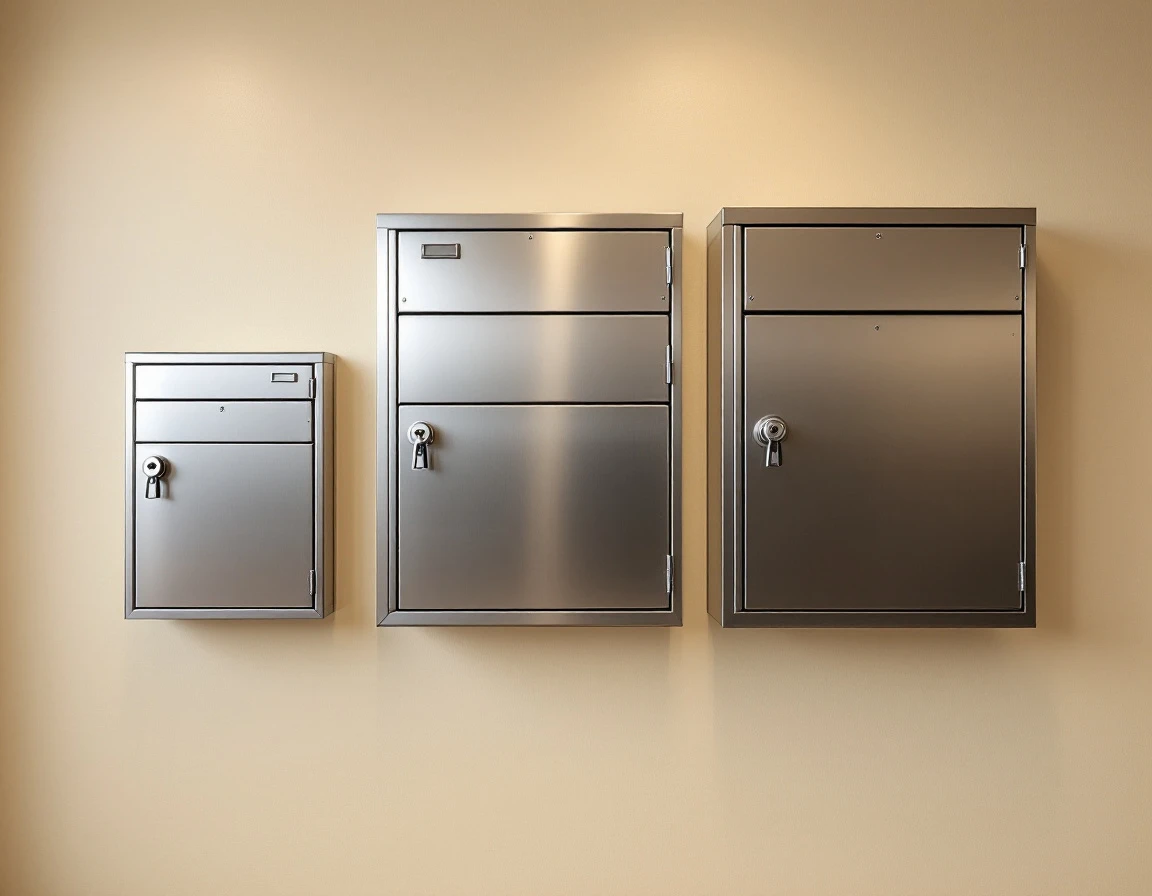
Once you've locked in your pricing model and compliance checklist, the next step is choosing physical mailbox infrastructure that balances startup cost with growth capacity. Wall-mount mailbox banks—typically configured in units of 24, 48, or 72 boxes—offer the most space-efficient solution for new operators. These banks install directly on existing walls, require minimal square footage, and allow you to add capacity in modular blocks as tenant demand grows. Individual lockable units work better for premium clients who need larger compartments or package holding, while hybrid layouts combine standard banks with oversized lockers for e-commerce recipients.
Your point-of-sale and tenant management software becomes the operational engine that tracks mailbox assignments, monthly billing cycles, forwarding requests, and service usage. ParcelPuffin's mailbox management module integrates directly with the POS system, so when a customer signs a rental agreement at the counter, the system assigns a box number, generates recurring invoices, and flags upcoming renewals or overdue payments. This eliminates manual tracking spreadsheets and reduces billing errors that can derail cash flow in the first six months.
Daily mail processing follows a consistent workflow: receive incoming mail and packages, sort by box number, update tenant notifications (email or SMS alerts for package arrivals), process forwarding requests according to tenant agreements, and log all activity for audit compliance. Security protocols include locked sorting areas, video surveillance of the mailbox lobby, and controlled access to master keys. Customer onboarding requires completing USPS Form 1583, verifying two forms of identification, photographing the tenant, and signing a service agreement that defines forwarding fees, hold limits, and termination terms.
ParcelPuffin simplifies this entire workflow by automating tenant notifications, tracking forwarding charges, and integrating mailbox activity with your existing POS transactions—so you can manage rentals, walk-in shipping, and print services from a single platform.
Launch Timeline and Next Steps
Launching a mailbox rental business requires coordinating regulatory approval, facility setup, and software onboarding in the right sequence. The most common mistake new operators make is signing a lease or purchasing equipment before securing CMRA licensing—an approval process that can take anywhere from 30 to 180 days depending on your jurisdiction. Planning your timeline around this critical path item prevents costly delays and wasted overhead.
Month 1–2: Regulatory Foundation
Begin with regulatory research and business plan development. Submit your CMRA licensing application to USPS and any required state or local authorities as outlined in earlier sections. During this window, finalize your pricing tier structure and determine whether you'll offer basic mail receipt only or premium services like forwarding and notary. These decisions directly shape your facility requirements and staffing model.
Month 2–3: Infrastructure and Systems
Once regulatory approval is in hand, move forward with facility selection and mailbox infrastructure installation. Onboard your POS and tenant management software—ParcelPuffin's platform handles mailbox assignments, Form 1583 processing, and automated billing cycles. Train your team on daily mail processing workflows and customer intake procedures during this phase.
Month 3–4: Soft Launch and Optimization
Open with a soft launch to test operations with initial customers. Monitor occupancy growth, track churn rates, and refine pricing based on early feedback. Most operators reach break-even occupancy within four to six months if pricing aligns with local market conditions.
Ready to simplify mailbox management and compliance tracking? Request a demo of ParcelPuffin's mailbox features or download our free CMRA compliance checklist to start your launch planning today.