
Market Demand for Scanning Services
Mid-market companies face digital transformation deadlines in 2026, and many are realizing that converting decades of paper files in-house isn't practical. Compliance mandates for industries like healthcare, legal, and finance require searchable digital records, while remote work policies have made physical document access a bottleneck. These organizations need their legacy filing cabinets emptied and converted quickly, but they lack the equipment and staff to handle large-scale conversion projects. A growing number of these businesses now seek out professional document scanning services business models that can handle this work at scale.
National scanning vendors typically require minimum contracts starting at several thousand dollars and impose strict project timelines that don't align with smaller budgets or phased rollouts. This pricing structure leaves mid-market companies searching for alternatives. Local service providers can step into this gap by offering flexible pricing based on volume tiers, per-box scanning, or monthly retainer models that match how these businesses actually budget and plan.
Document digitization has moved from a nice-to-have upgrade to a workflow necessity. Companies integrating cloud-based document management systems need their paper archives converted to unlock automation, improve retrieval speed, and meet audit requirements.
The businesses willing to pay for digital document scanning solutions aren't just clearing storage space—they're investing in operational efficiency and regulatory readiness.For local vendors, this creates a sustainable market opportunity built on recurring projects and long-term client relationships.
Competitive Positioning Strategy for Document Scanning Services Business
National document scanning vendors typically require minimum contracts that price out small and mid-market buyers. This opens the door for local service providers who can compete with a three-tier pricing model that aligns with different customer budgets and project scopes. The first tier—basic digitization—offers scanning and PDF creation at competitive per-page rates, appealing to price-sensitive customers with simple needs. The second tier—premium conversion with metadata—includes optical character recognition (OCR), file naming conventions, and indexing that makes documents searchable and organized, serving clients who need functional digital archives. The third tier—managed scanning as a service—provides ongoing support where your team handles pickup, processing, and integration with client systems on a recurring basis, targeting companies that want to outsource the entire function.
This tiered approach undercuts national vendors on entry-level pricing while capturing higher-value work that larger competitors often ignore. A local document conversion services for businesses can quote a two-day turnaround for a law office that needs 500 case files digitized before a court deadline, while national vendors impose two-week minimums. You can offer custom workflows—like scanning directly into a client's case management software or organizing files by client matter number—that require phone calls and process adjustments national call centers can't accommodate.
Local differentiation extends beyond pricing. Mid-market buyers value flexible scheduling, dedicated account management, and the ability to walk through requirements in person. A regional accounting firm preparing for tax season doesn't want to ship boxes to a distant facility; they want a local partner who understands their workflow and can adjust pickup schedules as volumes fluctuate.
Strategic partnerships reduce barriers to entry. Equipment vendors like Fujitsu and Canon offer leasing programs for high-speed scanners, eliminating upfront capital costs. Software partnerships with platforms like FileHold or Laserfiche provide cloud storage and document management capabilities without building your own infrastructure, allowing you to deliver enterprise-grade solutions with minimal investment.
Technology and Vendor Selection
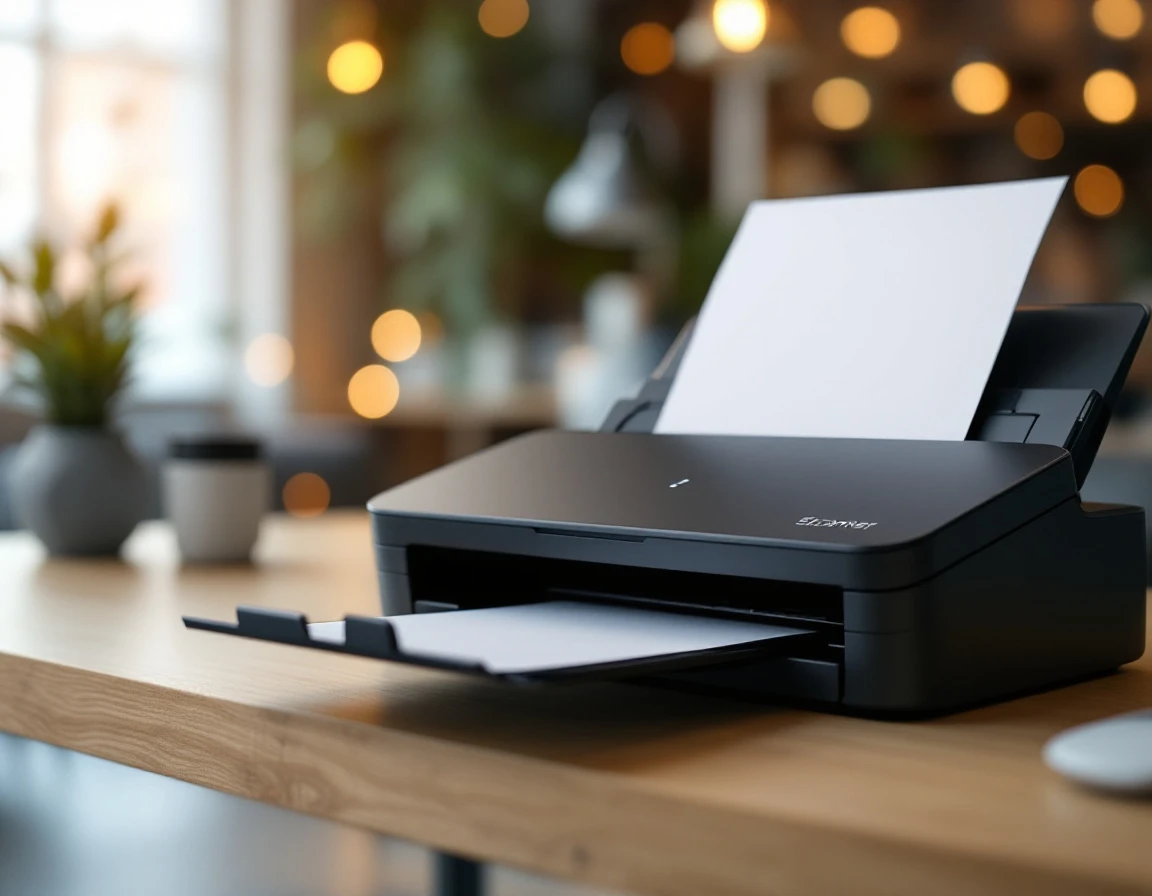
Your technology choices determine both your startup costs and your operational capacity. Entry-level scanners suited for small-batch projects start around $3,000 and handle 25–40 pages per minute, making them appropriate for businesses targeting under 50,000 pages monthly. Mid-range production scanners in the $5,000–$6,000 range double that speed and include automatic feed detection, blank page removal, and multi-format output. High-volume operations serving clients with ongoing contracts need scanners priced at $7,000–$8,000 that process 100+ pages per minute with industrial-duty cycle ratings.
Calculate cost-per-scan by dividing your hardware investment by its rated monthly capacity over a three-year lifespan. A mid-range scanner processing high volumes monthly yields minimal per-scan costs, while labor and storage dominate your actual per-page expenses. This analysis shapes your pricing tiers and helps you estimate breakeven volume by Q4 2026.
Document conversion software partnerships reduce your upfront licensing burden. Many OCR and indexing vendors offer revenue-share models or low monthly subscriptions instead of enterprise licenses. When evaluating partners, prioritize those offering integration with common business systems like SharePoint, Box, or accounting platforms your target customers already use.
Negotiate pilot periods that let you test accuracy rates and technical support responsiveness before committing. Strong vendor relationships directly affect your turnaround times and customer satisfaction, protecting the profit margins that keep local providers competitive against national chains.
Pricing Model Framework
Building a profitable professional document scanning and conversion operation requires three pricing tiers that address different customer needs while protecting your margins:
- Per-page pricing at $0.10 to $0.25 per sheet captures price-sensitive customers and small projects like legal document preparation or medical records transfer. Calculate equipment cost per scan (roughly $0.02 for a mid-range scanner at 50,000 pages monthly), labor at $0.05 to $0.08 per page for feeding and quality checks, and software licensing around $0.01 per scan. Your margin sits between $0.02 and $0.09 per page after factoring in overhead.
- Project-based tier priced between $500 and $2,000 appeals to mid-market companies digitizing file rooms or preparing for office relocations. Bundle services like indexing, file naming conventions, and basic metadata tagging into flat-rate packages. National vendors often quote $3,000 minimums for similar work, giving you competitive headroom while maintaining 40% to 50% gross margins.
- Monthly managed scanning retainers from $300 to $1,000 build the recurring revenue that stabilizes cash flow and increases business value. Position these contracts to customers with ongoing scanning needs—insurance adjusters, property management firms, or accounting practices. Recurring customers reduce acquisition costs and create predictable income streams that support equipment upgrades and staff expansion heading into Q4 2026.
90-Day Launch Roadmap
Launching a document scanning services business by December 2026 requires a disciplined, week-by-week approach that balances operational readiness with customer acquisition. This roadmap breaks down the critical tasks from September through November, tying each milestone directly to the goal of generating Q4 revenue and building a sustainable client pipeline.
Weeks 1–4: Foundation and Infrastructure
September focuses on getting your operation ready to deliver. Finalize equipment purchases based on your volume projections—high-speed scanners, workstations, and quality control monitors should arrive by week two. Install and configure your document management software, test OCR accuracy on sample files, and establish naming conventions and metadata standards. Schedule initial staff training during weeks three and four, covering scanner operation, quality checks, file delivery protocols, and customer communication. By the end of September, your team should complete practice runs on sample documents to identify workflow bottlenecks before real clients arrive.
Weeks 5–8: Sales Activation and Partnership Outreach
October shifts to revenue generation. Target mid-market companies with 50–250 employees in industries like legal, healthcare, and property management—firms large enough to have backlog scanning needs but too small for national vendor minimums. Cold outreach, LinkedIn prospecting, and local business association events should yield 20–30 qualified leads by mid-October. Activate strategic partnerships with office supply vendors and IT consultants who can refer clients in exchange for reciprocal referrals or small finder's fees.
Weeks 9–12: Customer Onboarding and Revenue Validation
November is about proof of concept. Onboard your first paying customers, deliver their projects on time, and request testimonials. Track time-per-page, error rates, and customer satisfaction to refine your service delivery. Validate your pricing model and demonstrate operational readiness as you move into December.
Customer Acquisition Strategy
Your ideal first customers are mid-market companies with 50 to 500 employees in finance, legal, healthcare, and professional services. These organizations handle high document volumes, face compliance pressures to digitize records, and often lack the internal resources to manage large-scale scanning projects. They're too small for national vendors to prioritize but too busy to DIY their document digitization services.
Build your referral network through B2B partnerships with accounting firms, business consultants, and IT service providers who already serve your target market. These partners encounter clients struggling with paper backlogs during audits, office moves, or system migrations. Position yourself as their go-to scanning resource, and offer referral incentives that reward repeat introductions.
LinkedIn outreach to office managers, compliance officers, and operations directors works when you lead with specific pain points. Sample messaging: "We help regional law firms convert legacy files into searchable digital archives in 10 business days — no multi-month contracts or $10,000 minimums. Custom metadata tagging included." This frames scanning as strategic digitization, not just a commodity service.
Create ROI calculators that compare your per-page pricing against national vendor rates and the hidden costs of in-house scanning (staff time, equipment depreciation, storage space). Develop case studies from your first three clients showing turnaround times, cost savings, and workflow improvements. These reference accounts become your proof points when prospects ask, "Have you worked with companies like ours?" Start small, deliver results, and let satisfied customers fuel your next wave of growth.
Implementation and Next Steps
Small business entrepreneurs can launch a competitive document scanning services business with a modest initial investment covering equipment, software licensing, and basic marketing materials. This accessible entry point makes the opportunity realistic for motivated service providers who understand their local market and can deliver personalized customer experiences that national vendors can't match at this scale.
The strategic decisions outlined in this guide—tiered pricing that serves multiple customer segments, technology partnerships that reduce upfront capital requirements, and targeted outreach to mid-market companies facing digital transformation deadlines—create a clear path to profitability by Q4 2026. Local differentiation through faster turnaround times, custom workflows, and dedicated support positions small operators to win business even when competing against established vendors.
Your immediate priority is validation: secure 2–3 pilot customers by the end of November 2026. Use these early engagements to refine your scanning processes, test your pricing assumptions, and document results that become case studies for expansion in 2027. The market for document scanning services continues to grow. And companies implementing bulk scanning report productivity gains. The 90-day execution plan provides the structure, but momentum comes from those first customer wins that prove your model works in practice.