
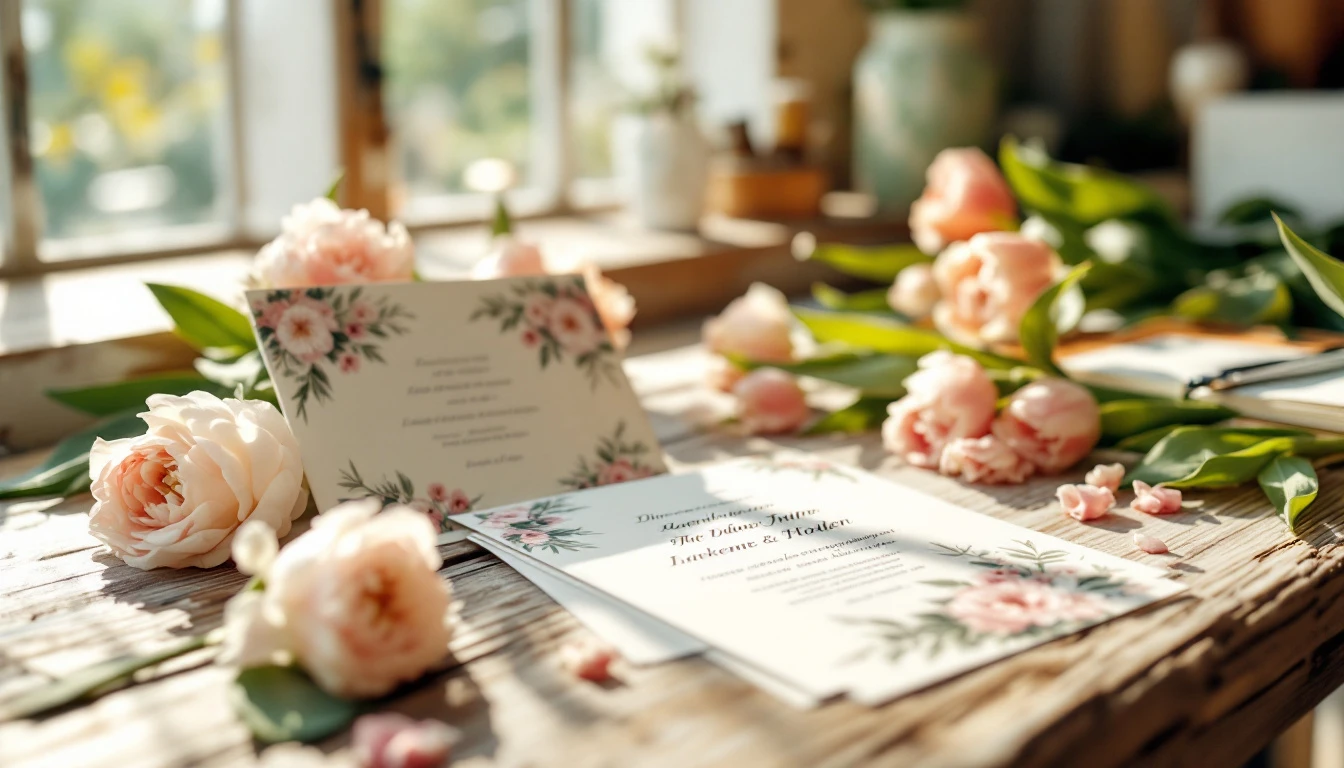
Spring Wedding Invitation Design Planning Timeline
Couples planning spring weddings typically start browsing invitation designs and print vendors eight to twelve months before their ceremony date. Understanding this timeline helps print shops publish content when early planners begin their search for spring wedding invitation design solutions.
Couples booking spring 2027 weddings are actively
Right now, in late summer and early fall of 2026, couples who've chosen spring 2027 ceremony dates are searching for invitation designers and print vendors. This six-to-twelve month planning window creates a predictable pattern: engaged couples start researching invitation styles, paper finishes, and printing timelines well before their actual order deadlines.
For print shops, this means search demand for "spring wedding invitations" and related design queries peaks during August through October—months that typically see lighter foot traffic. Publishing SEO-optimized content about spring invitation trends during this window positions your shop to capture couples at the research phase, converting early planners into orders before they commit to online-only print services.
Early planners represent high-intent traffic
Couples researching invitation printers eight months before their wedding represent high-intent traffic — they're actively comparing vendors and design options, not casually browsing. This early planning window means your content faces less competition than it will during the March-April peak ordering rush when most print shops scramble for visibility.
Content published in August 2026 has six to eight months to climb search rankings before the April 2027 peak ordering season arrives. Search engines reward content age and relevance, giving early publishers a ranking advantage when spring wedding traffic surges and couples transition from research to order placement.
High-Intent Search Keywords for Spring Wedding Invitation Design
Not all searches carry the same value. When couples type "spring wedding invitation design trends 2024" or "custom wedding invitation design for spring weddings" into Google, they're not casually browsing—they're actively evaluating design options and comparing vendors. These searches signal planning-phase behavior, the moment when couples transition from dreaming to decision-making.
Keywords with commercial intent separate window-shoppers from ready-to-buy prospects. Phrases like "seasonal wedding invitation printing services" and "spring floral invitation printing" combine visual research with production urgency. Couples using these terms understand they need a print vendor who can deliver both design expertise and reliable turnaround times for their ceremony date.
Publishing content around these high-intent keywords during August through October positions your shop at the top of search results before demand spikes. Content indexed in late summer has months to climb rankings, capturing early planners who book vendors six to twelve months ahead. By the time search volume peaks in January and February, your pages already rank—giving you first access to couples ready to place orders.
Secondary keywords like "eco-friendly spring wedding invitations" and "custom botanical wedding stationery" address both design preferences and production considerations. These phrases attract couples researching specific aesthetic choices while signaling they're past the inspiration stage and into vendor selection. That's when search traffic converts into consultation requests and print orders.
Autonomous Content Calendar Structure
Once you understand when couples search and which keywords convert, the next challenge is publishing content consistently without dedicating hours to writing each week. An autonomous publishing system structures your content calendar around the spring wedding planning cycle, mapping topics to the stages couples move through as they research, decide, and order.
The calendar sequences content to match couple behavior. In August and September, publish trend inspiration pieces—articles exploring spring color palettes, botanical motifs, or seasonal design elements that help couples visualize their invitation style. By October and November, shift to design how-to content: guides on how to design spring wedding invitations by selecting paper weights, coordinating envelope liners with floral themes, or pairing fonts for formal invitations. December through February focuses on production and seasonality—explaining turnaround times for letterpress printing, how weather affects delivery schedules, or when to finalize guest counts.
Automated systems handle topic research, outline generation, and scheduling so you can publish two to four invitation design pieces monthly with under two hours of manual input. The system identifies trending spring design keywords, builds content frameworks aligned to couple planning phases, and queues articles for publication during your slower months. You review, adjust tone or local details, and approve—then the content goes live and starts ranking.
This approach turns August through October into your content production window. While walk-in traffic remains light and large format orders taper off, your server capacity and staff bandwidth support content creation that builds search visibility. By the time couples enter their peak ordering phase in late winter, your shop already ranks for the spring invitation keywords they search—converting early research into February and March orders without competing for attention during the busiest printing season.
Design Topics That Drive Orders
Couples searching for spring wedding invitations follow predictable patterns: they look for color palettes that match the season, floral motifs that reflect garden ceremonies, and design styles that balance tradition with personal expression. Content that addresses these searches directly captures early-stage planners and guides them toward print shop inquiries.
Spring Color Palettes and Botanical Motifs
Pastel shades—blush pink, sage green, lavender, soft peach—dominate spring wedding searches, followed closely by earth-tone palettes featuring terracotta, taupe, and warm neutrals. Couples planning outdoor ceremonies search for invitations that echo their venue aesthetics, making floral illustrations, botanical borders, and garden-inspired watercolors evergreen content topics. Content pieces that pair color theory with printable design examples help couples visualize their invitations while positioning your shop as the vendor who understands their vision.
Design Styles That Convert Browsers into Buyers
Modern minimalist designs—clean typography, generous white space, monochromatic layouts—appeal to couples seeking contemporary elegance. Classic letterpress printing attracts those planning formal spring weddings who value tactile quality and traditional craftsmanship. Publishing content that explains each style's production process, paper options, and pricing considerations moves couples from inspiration browsing to vendor evaluation.
Sustainability Messaging and Invitation Wording Guidance
Eco-friendly printing options rank consistently for values-driven couples searching for recycled paper stocks, soy-based inks, and plantable seed paper. These searches signal specific preferences that local print shops can fulfill better than online mass producers. Invitation wording and etiquette content—how to phrase ceremony details, handle plus-ones, or word registry information—addresses decision-stage questions that arise once couples have chosen their design direction. This practical guidance builds trust and positions your shop as a knowledgeable partner through the entire invitation process.
Measuring Content-Driven Lead Generation
Print shop owners don't need complex marketing platforms to measure whether invitation content converts into orders. Free tools like Google Analytics track organic traffic by source, showing how many visitors arrive from search engines versus social media or direct links. Compare these traffic spikes with order inquiries recorded in your existing customer management system or even a simple spreadsheet tracking inquiry dates and services requested.
Adding UTM parameters to landing pages connects content views directly to customer inquiries. When you publish a post about spring botanical invitation trends, append a unique tracking code to the URL you share or link internally. When a customer fills out your inquiry form, their source appears in your analytics dashboard, revealing which design topics drove them to contact you. This simple tagging method shows whether traffic from your "spring color palettes" post converts better than your "letterpress techniques" content.
Seasonal search volume spikes validate your content strategy. If organic visits to your invitation pages climb from twenty monthly visits in August 2026 to over one hundred by January 2027, you're capturing the early planning wave. At typical print shop conversion rates, one hundred organic visits per month translates to five to ten qualified inquiries—couples ready to discuss custom printing, not just browsing inspiration boards.
Lead attribution reveals which topics convert highest-value orders. Track which blog posts or design galleries referred customers who ultimately placed large orders for save-the-dates, invitations, programs, and thank-you cards. This data guides future content priorities without requiring dedicated analytics staff.
Autonomous Publishing System Setup
ParcelPuffin's integrated platform handles the technical work of maintaining a seasonal content calendar, managing draft workflows, and scheduling posts to align with wedding planning cycles. The system automates topic research based on search trends, generates outlines tied to spring invitation design themes, and creates drafts optimized for seasonal keywords. Print shop owners review and approve each piece before publication—typically a quick read-through to confirm brand alignment and adjust any local service details—but skip the time-intensive work of researching topics, structuring articles, and optimizing metadata.
Owner approval gates preserve brand control without requiring manual content creation. Each draft appears in a review queue with the proposed publish date, target keyword, and a summary of the article's focus. Owners can approve as-is, request minor edits, or reject pieces that don't fit their service offerings. This review process typically takes fifteen to thirty minutes per piece, translating to one to two hours monthly for a print shop publishing two to four articles during the August through October content production window.
Scheduled publishing aligns content drops to seasonal planning phases identified in earlier sections. The system queues trend inspiration pieces for August release. Design how-to content for September and October, and production-focused articles for November through January. This cadence matches the spring wedding planning timeline, placing invitation design content in front of couples during their active research months while print shop owners focus on current production orders and holiday demand.
The platform tracks which articles generate contact form submissions and phone inquiries through UTM parameters and referral data, feeding performance insights back into topic selection for future planning cycles. Print shops gain consistent, search-optimized content output without hiring writers or blocking production hours for content creation.