

The Q4 2026 Order-Processing Ceiling for Print-on-Demand Shops
Many shipping centers and print shops hit an order-processing ceiling when seasonal demand surges, constrained by manual workflows rather than customer demand. For shops running print-on-demand operations, the bottleneck is rarely customer interest—it's the operational friction that prevents scaling without hiring.
Manual order processing limits throughput
Without automation, most operators cap out at 20 to 30 orders per day. Every order demands individual attention: entering customer details, selecting carriers, printing labels, and updating inventory. Fragmented shipping rate lookups and inventory tracking alone waste 3 to 5 hours weekly. Time that could otherwise go toward fulfilling more orders or serving walk-in customers during peak periods.
Print-on-demand and seasonal goods traffic peaks
October through December brings the year's heaviest order volume for print-on-demand sellers and seasonal goods creators. Traffic surges, but existing manual workflows hit a ceiling—scaling up means hiring help or turning away orders. Shop operators caught between current capacity and growth goals face a frustrating reality: demand isn't the problem, but available time becomes the hard constraint that prevents growth.
ParcelPuffin Integration Unlocks 3x Throughput for Shops Scaling Shipping Operations
ParcelPuffin's unified shipping platform removes the friction points that cap daily order volume. Instead of toggling between carrier websites, you see real-time pricing for USPS, UPS, and FedEx in a single dashboard—and select the best rate with one click. Single-click carrier selection eliminates the delays that previously consumed 15-20 minutes per batch of 25 orders—time that now goes toward processing additional sales.
Inventory sync prevents overselling by automatically updating stock levels across selling channels. Manual stock checks that once required twice-daily spreadsheet updates now happen in real time, freeing operators to focus on fulfillment rather than reconciliation. POS automation batches order processing, cutting manual data entry by 80 percent and allowing one operator to handle volumes that previously required two.
When you automate shipping and order entry, you can handle higher volume without adding staff. A shop that processes 30 orders daily can scale to 90 orders with the same team—freeing up capacity that seasonal demand naturally fills.
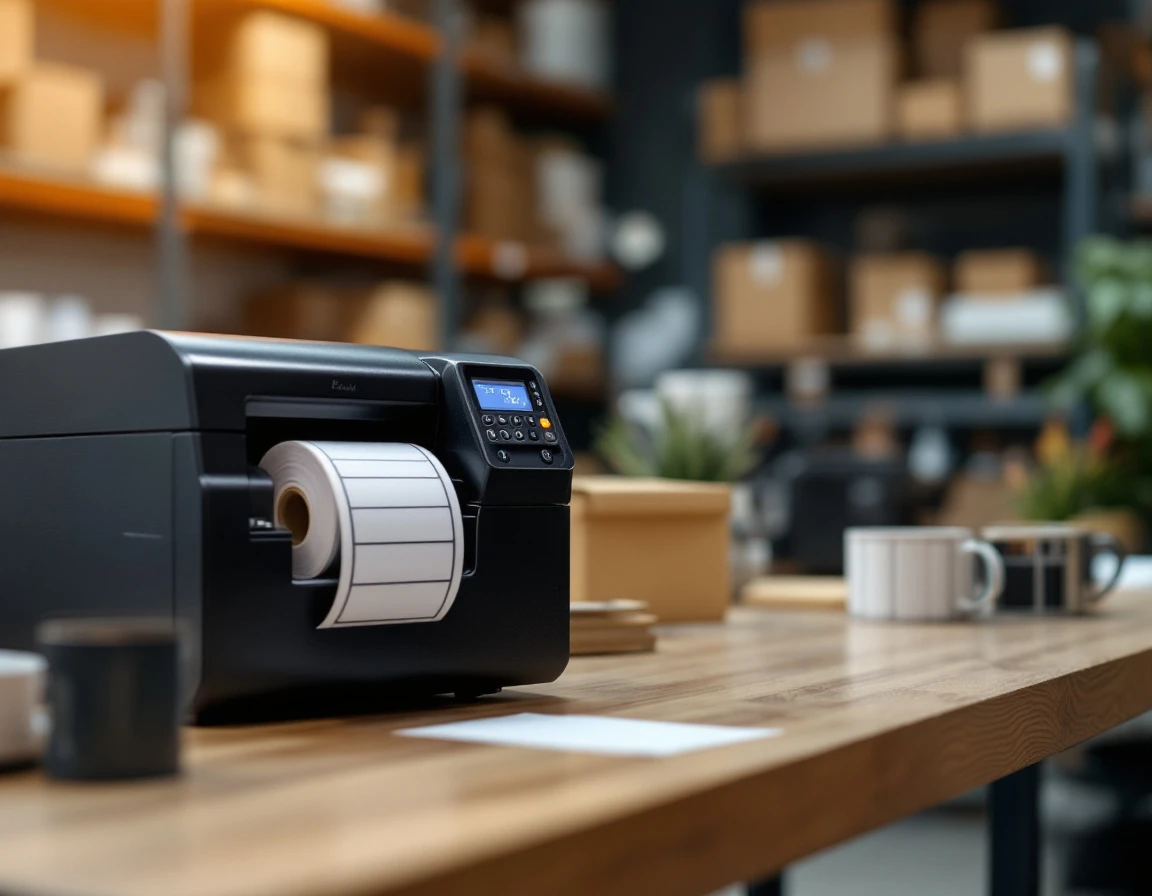
Carrier Rate Optimization Strategy
Shipping costs quietly drain margins through dimensional weight pricing confusion, manual rate shopping, and Q4 surcharge blind spots. When you're fulfilling orders manually, comparing USPS, UPS, and FedEx rates for each package becomes impossible—so you default to one carrier and overpay. Dimensional weight pricing alone erodes margins by several percentage points when packages trigger weight-based penalties you never see coming.
ParcelPuffin's integrated multi-carrier rate engine solves this by automatically selecting the lowest-cost carrier for each shipment in real time. The platform calculates true cost before surcharges hit, factoring in dimensional weight, zone pricing, and service level. The result is measurable shipping cost reduction across every order batch.
Q4 compounds the problem. USPS peak-season fees, UPS holiday surcharges, and FedEx fuel surcharges spike from October through December. Without automation, these surprise costs force reactive rate increases that lose customers. ParcelPuffin locks best rates before the surge.
The margin recovery math is clear: 50 orders per day with per-order savings of several dollars means daily profit protection of hundreds of dollars—money that stays in your pocket instead of disappearing into carrier fees.
30-Day Implementation Roadmap
Getting ParcelPuffin live before the October rush gives you a full November-December window to capture peak season revenue. This four-week plan takes you from account setup to full automation without pausing daily operations.
- Week 1: Connect your carrier accounts and sync product inventory to the ParcelPuffin platform. Import your existing SKU catalog and configure dimensional weight settings for accurate rate calculations.
- Weeks 2-3: Test shipping label automation and POS order sync with 50-100 test orders. Run parallel operations—process orders manually as backup while you validate label printing, tracking updates, and inventory deduction accuracy.
- Week 4: Go live with full automation. Measure your baseline order processing time and shipping cost per unit. Track revenue growth weekly; most shops see throughput climb within 30 days of launch.
Completing setup by late October positions you to handle peak traffic when it arrives. Request a demo for hands-on setup support and personalized configuration guidance.
Order Volume Projection Calculator
To model your order volume growth before Q4 2026 begins, start with your baseline daily capacity. Your current orders per day multiplied by margin per order. If you're processing 50 orders daily at $40 margin each, that's $2,000 in daily revenue, or roughly $2,000/month at five working days weekly.
Next, layer in automation gains. Faster order processing frees capacity for additional volume. If ParcelPuffin cuts your processing time from six minutes to two minutes per order, you can handle 75 orders daily instead of 50—adding 25 orders at $40 margin equals $1,000 in daily revenue uplift.
Then calculate carrier rate optimization. Apply your cost reduction percentage across all daily orders. Saving 10% on shipping costs for 75 orders at $40 margin recovers $300 daily.
Finally, apply the Q4 seasonal multiplier. Print-on-demand and handmade goods typically see 2-3x November-December volume. Multiply your baseline plus automation gains plus margin recovery by 1.5-2.5x to forecast peak season revenue. That $2,000/month operation can reach $4,000-$5,000/month—without hiring or expensive infrastructure.

Next Steps: Prepare for Q4 Volume
To make the most of the November-December peak season, getting ParcelPuffin live by late October gives you time to test automation and validate your setup before traffic spikes. This 30-day window lets you confirm that carrier selection, label printing, and order processing run smoothly before volume climbs.
Once live, monitor shipping costs and order processing time daily. If margins start to slip, adjust your carrier strategy within the platform. Most shops find that ParcelPuffin automation removes the need for hiring—even when handling 100+ orders per day. Scale your team only if volume consistently exceeds 200 orders daily.
Track your November-December 2026 revenue against the same period last year. This comparison quantifies the capacity gains you've achieved by removing manual bottlenecks. Ready to start? Request a demo or begin your free trial today.