

The Cost of Manual Operations
Most small retailers don't realize how much time and money disappears into manual processes until they stop to measure it. The fragmented nature of disconnected systems—each sale logged separately in your POS. Then re-entered into a spreadsheet for inventory, then tracked again in a shipping platform—adds up quickly. When retail technology solutions fail to improve operational efficiency, staff spend their shifts context-switching between systems instead of helping customers.
Disconnected tools force duplicate data entry at every turn. One product sold means three separate updates: point of sale, inventory count, and shipping record. Every hand-off introduces errors—SKU typos, quantity mismatches, address mistakes that delay shipments. The same information gets typed, copied, and verified multiple times for a single transaction.
Without automation, small retailers typically waste hours each week on tasks that integrated software handles in seconds. October magnifies the problem. As Q4 order volume climbs, stores hire temporary workers just to manage bottlenecks that modern technology prevents entirely. The labor cost compounds exactly when margins matter most.
How Integrated Technology Cuts Costs: Retail Automation to Reduce Operating Costs
A unified point of sale system with integrated shipping logistics eliminates the manual data re-entry that eats up staff hours. When a customer places an order at the counter, ParcelPuffin automatically pulls product details, customer information, and shipping preferences into the label generation workflow. Your team doesn't retype addresses or SKU numbers. Inventory updates across all channels in real time. So the product availability your website displays matches what's actually on your shelves.
Automation handles order fulfillment, carrier selection, and label generation without human intervention. A modern POS system with integrated capabilities compares carrier rates based on package dimensions and destination, selects the most cost-effective option, and prints the label—all within seconds. This reduces shipping errors and lowers labor cost per transaction, freeing your staff to focus on customer service rather than clicking through multiple screens.
Real-time inventory visibility prevents overstocking and stockouts, two expensive problems that tie up cash and warehouse space. When your system knows exactly what's moving and what's sitting, you can adjust purchasing decisions before excess inventory becomes a burden. The ROI comes from simplifying labor-intensive manual handoffs and data correction, lowering error rates that trigger costly reshipping, and speeding up checkout during peak season when every minute at the counter matters.
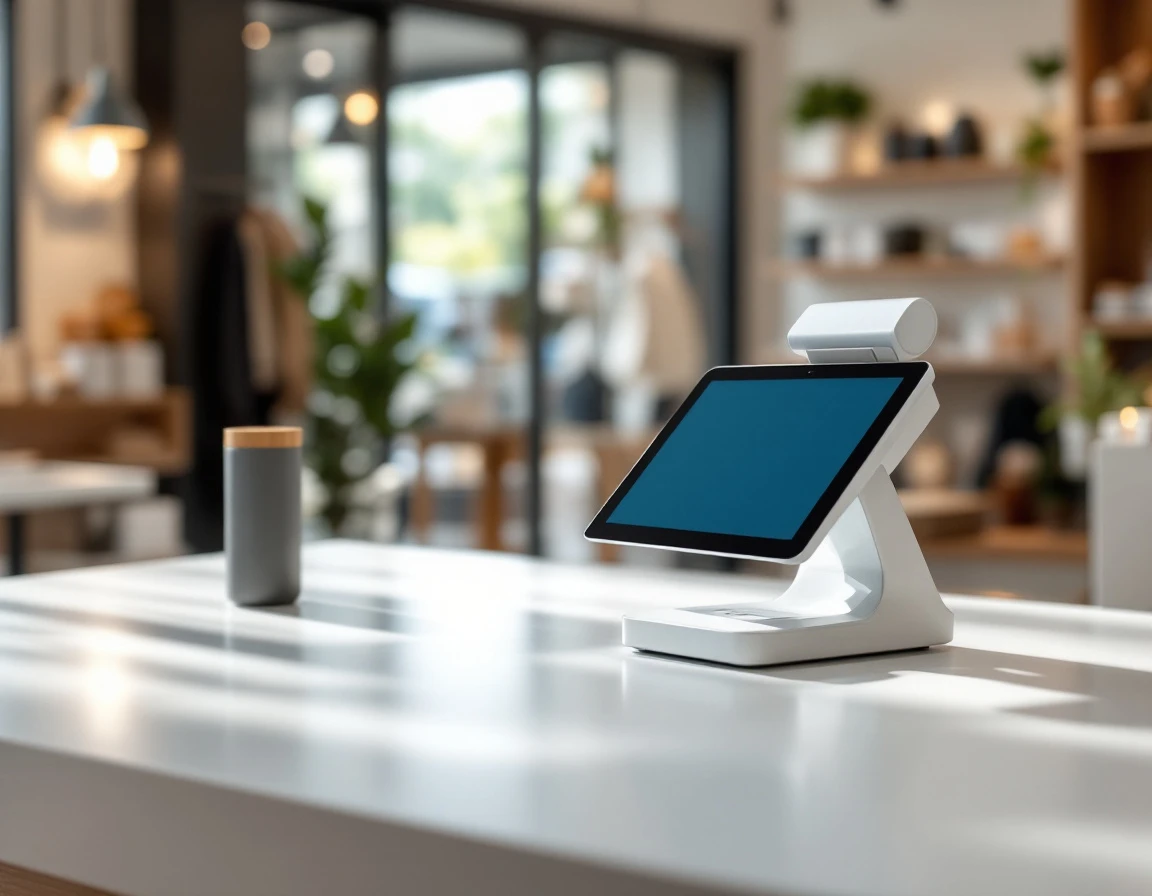
Q4 Peak Season Timing Advantage
October represents the ideal window for implementation because it provides eight to ten weeks of buffer before the November and December order surge arrives. Retailers who adopt modern POS system solutions now sidestep the common mistake of scrambling to hire and train seasonal workers when transaction volume peaks. Instead, they invest that same effort into building systems that handle increased demand without proportional staffing increases.
Staff training and workflow optimization happen during manageable October volume, not in the chaos of Black Friday week. Your team learns the platform when they have time to ask questions, test processes, and build confidence. By the time the rush begins, the system runs smoothly and new hires require minimal training on already-proven workflows.
Retailers using modern POS and shipping automation consistently handle two to three times their typical transaction volume with existing headcount, protecting margins during peak season when customer acquisition costs run high and retention matters most.
ROI Calculation for Small Retailers
Before investing in automation, calculate your baseline cost: Track how many hours your team spends each week manually entering POS data, auditing inventory counts, and generating shipping labels. For a typical retail operation with a modest staff, these administrative tasks consume a meaningful portion of your payroll budget. When you tally up the labor hours devoted to manual processes, the cumulative expense becomes difficult to ignore—money that could be redirected toward growth and customer service instead.
Apply conservative savings: Modern retail platforms cost $100–150 per month. And even a modest reduction—cutting manual hours from ten to three weekly—saves $1,260 monthly. That pays for the software in the first month and builds your business case immediately. Most small stores see payback within two to four months with the right small business retail management software in place.
Don't overlook secondary gains: Automation reduces pricing errors at checkout, lowers shrink from inventory discrepancies, speeds customer transactions during rush periods, and cuts peak-season overtime when you'd otherwise pay time-and-a-half. These benefits compound quickly once your system is live.

Implementation Timeline
Eight weeks is enough time for a small team to adopt, validate, and stabilize a modern retail platform—but only if you start in early October.
- Week 1–2 focuses on onboarding and staff training on new POS workflows, shipping integrations, and reporting dashboards. ParcelPuffin's support team guides you through initial setup and means your crew feels confident handling transactions and label printing.
- Week 3–4 is where parallel systems run side by side, letting you validate accuracy before full cutover. Audit data migration from your legacy system, cross-check inventory counts, and confirm that order records match. This phase reduces risk and catches edge cases while transaction volume is still manageable.
- Week 5–8 shifts to optimization: refine workflows, address exceptions like custom print jobs or international shipments, and measure actual labor savings to inform your next phase. Waiting until November guarantees chaos, lost margin, and missed peak-season opportunity.
Next Steps: Start Planning Today
The retailers who lock in their Q4 technology stack now will enter the holiday season with stable systems, trained staff, and confidence that their platform won't buckle under volume. Waiting pushes you closer to November chaos and limits your ability to troubleshoot before the rush arrives.
Start by auditing your current operations. How many hours per week does your team spend on inventory updates, POS transactions, and shipping label creation? Calculate the labor cost of those hours, then compare it against platforms like ParcelPuffin that integrate POS, shipping logistics, and inventory into one view. Avoid point solutions that require double entry or manual workarounds—those inefficiencies compound when you're handling fifty orders a day instead of ten.
Request a demo and ask about October onboarding availability. The stores that move now will be operational and stable before Black Friday. Every week you delay is a week of wasted labor heading into the busiest retail season—and a missed opportunity to enter January with lower operating costs, faster service, and more loyal customers.