

Why Retail POS Security Threats and Data Protection Matter Now
Legacy point-of-sale systems face growing threats from cybercriminals targeting retail payment data and customer records in late 2026. These retail POS security threats demand immediate attention, as older hardware and outdated software create vulnerabilities that expose businesses to data breaches that compromise both transactions and customer trust.
Legacy POS systems in small retail stores lack modern defenses
Many small retail stores still run on POS systems installed five or more years ago, which often lack modern security patches and encryption standards that protect payment data. These older systems weren't built to defend against current attack methods, leaving customer card information and transaction records exposed to malware and remote exploits.
Payment processors and compliance bodies are tightening data protection requirements heading into the Q4 2026 peak season, with stricter enforcement of PCI-DSS standards and penalties for non-compliant merchants.
Store owners who haven't updated their security protocols face the risk of losing their payment processing agreements just when holiday volume peaks.
Retail stores that suffer data breaches face operational and financial consequences
When customer payment data is compromised, stores lose hard-earned trust and face financial penalties from payment processors. For ParcelPuffin users who rely on integrated payment flow to process transactions, these breaches can trigger operational shutdowns that halt business entirely.
Three Attack Vectors Targeting Retail POS Security
Cybercriminals focus their efforts where defenses are weakest, and retail point of sale security presents three distinct entry points that attackers exploit with increasing frequency. Understanding these vectors helps store owners recognize where their operations are most exposed.
- Malware embedded in POS hardware or unpatched software remains the most direct threat. Attackers install keylogging programs or memory-scraping tools that capture payment card data in real time as customers swipe or insert their cards. For ParcelPuffin users running integrated shipping and POS operations, this threat extends beyond the register—malware can monitor transactions across both payment processing and shipping label generation. Capturing customer data from multiple touchpoints within a single session.
- Weak Wi-Fi networks and unencrypted payment channels create opportunities for attackers to intercept transaction data as it moves between the terminal and payment processor. Retail stores that rely on basic router configurations or shared wireless networks allow criminals to position themselves between the customer and the payment gateway, silently recording card details during checkout.
- Credential theft through phishing emails and unsecured remote access bypasses the POS terminal entirely. Attackers target store owners and managers with convincing fake messages. Stealing login credentials that grant access to backend payment systems. Once inside, they can extract stored payment records, modify transaction settings, or install persistent monitoring tools that continue harvesting data long after the initial breach.

Three Protection Practices: Payoff
Protecting your POS system doesn't require a complete technology overhaul. Three targeted measures address the attack vectors directly and work together to cut your exposure.
- Network segmentation isolates your payment terminals from the Wi-Fi you use for email, web browsing, and customer access. When malware enters through a compromised laptop or guest device, it can't move laterally to your payment systems. This blocks the most common path attackers use to reach transaction data.
- Encryption and tokenization render payment information unreadable even if intercepted. Card numbers are replaced with tokens that hold no value outside your processor's network. If attackers breach your system and extract data, they capture gibberish rather than usable credentials.
- POS monitoring and access controls catch unauthorized login attempts and unusual activity patterns before damage occurs. Alerts trigger when someone accesses payment functions outside business hours or attempts repeated failed logins. This early warning stops breaches at the entry point.
Together, these three practices form overlapping defenses that address hardware vulnerabilities, network weaknesses, and credential theft.The combined effect is what drives the documented risk reduction for retail stores that implement all three before year-end.
Implementation Steps Without System Overhaul
The three protection practices outlined above can be deployed in your store without replacing your existing POS hardware. Here's how to implement each one before December 2026, with realistic timelines and costs.
Network Segmentation
Start by creating a dedicated Wi-Fi network for your POS terminals, separate from your guest or office networks. Log into your router settings and establish a new SSID with WPA3 encryption and a strong password. Disable file-sharing and printer-sharing between devices on this network. This work can be completed in one day with guidance from your internet service provider or a local IT consultant. Professional consultation is available if you need hands-on support with the setup process.
Encryption and Tokenization
Contact your payment processor to confirm whether end-to-end encryption and tokenization are already enabled on your account. Many processors offer these features at no additional cost through updated terminal firmware or middleware software. If your current provider doesn't support tokenization, third-party gateway services can be added without replacing your core POS hardware. Implementation typically moves forward within a couple of weeks. Third-party middleware solutions are available on a modest subscription basis, making this a cost-effective upgrade path.
Monitoring and Access Controls
Review your POS software settings for built-in user access logs and login alert features. Enable multi-factor authentication for administrator accounts and set alerts for failed login attempts. Affordable monitoring tools can track unusual transaction patterns and flag anomalies in real time. Configuration takes just a few days to complete, and monitoring add-ons remain accessible for ongoing operations.
Compliance & Customer Confidence Checklist
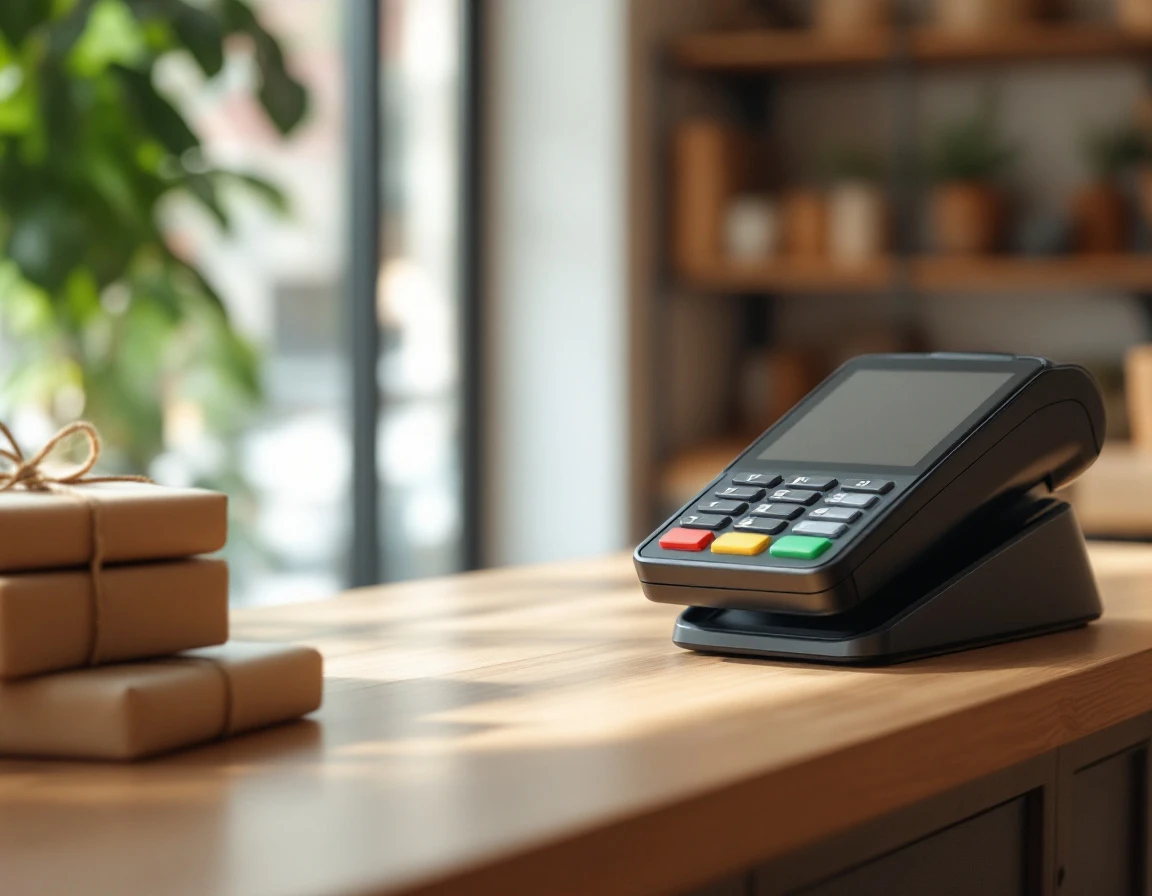
Before the December rush begins, verify that all three protective practices are in place and functioning correctly. Use this checklist to confirm your security posture with payment processors and demonstrate due diligence that reduces liability exposure. Payment processors look for documented controls when assessing merchant risk, and this simple verification process proves you've taken active steps to protect customer payment data in retail environments.
Your checklist should confirm: network segmentation is active and isolating POS traffic, encryption and tokenization are protecting data at rest and in transit, and monitoring systems are logging access attempts with restricted credential controls. Share this documentation with your IT vendor or payment processor as evidence of your security investment.
Transparent communication of these measures also builds customer trust. Retailers who proactively disclose their data protection practices stand out from competitors who remain silent on security. ParcelPuffin's integrated POS features help simplify these controls by centralizing payment processing, shipping operations, and access management in one platform. Complete your verification before peak holiday transaction volume begins—the highest-risk window for data breaches.