
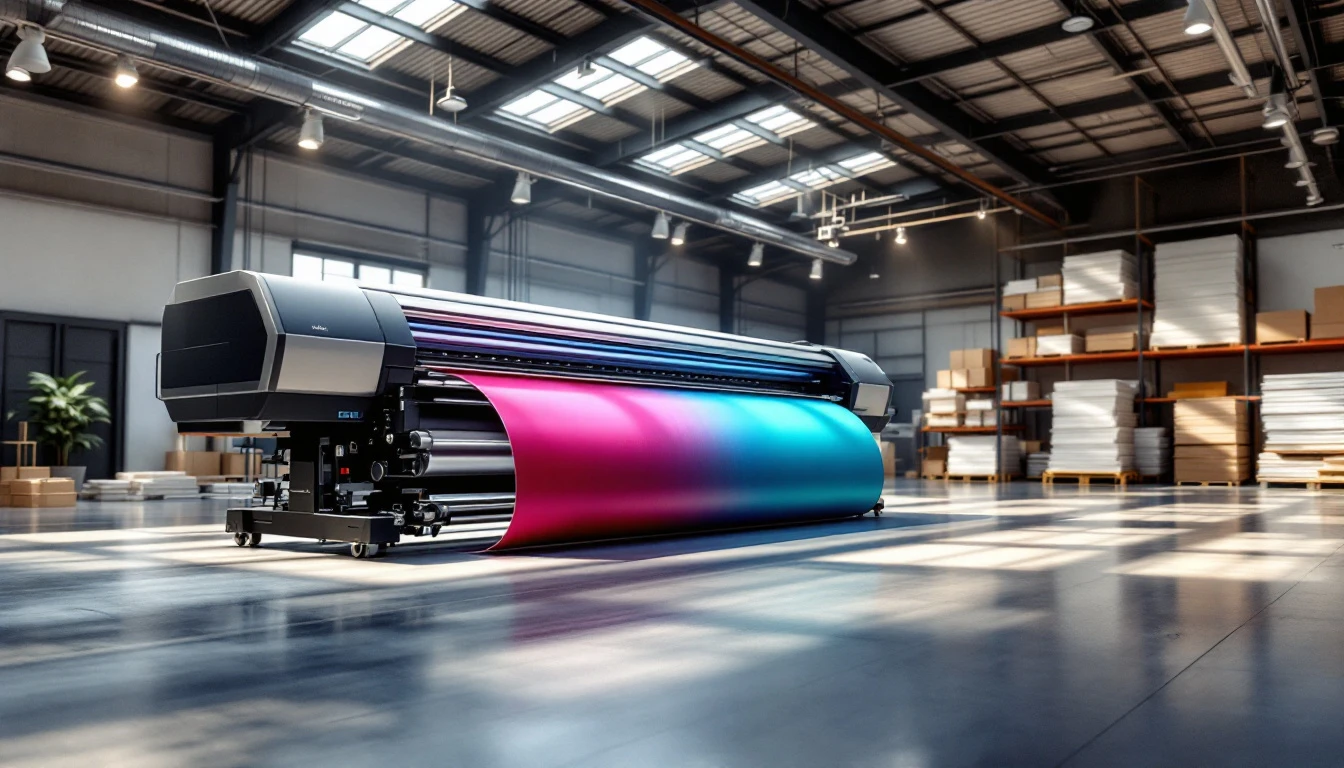
Pack-and-Ship Store Bottlenecks AI Software Can Solve
Running a pack-and-ship store means juggling carrier rate comparisons, print jobs, mailbox customers, and walk-in traffic—all at the same time. Three operational bottlenecks eat into your margins, and legacy point-of-sale systems weren't built to handle them:
- Print finishing and quality control require staff to manually inspect print jobs, catch color issues and alignment problems, and coordinate handoffs between equipment—costing time and creating expensive reprints.
- Order routing and job scheduling depend on manual decisions about which jobs go to which equipment and when, with your experience filling in where your software falls short.
- Inventory management across shipping supplies, print substrates, and retail products creates friction through stock-outs on popular items, overstocking of specialty materials, and poor visibility into what you're wasting.
Most pack-and-ship POS systems track transactions but don't automate workflows. They tell you what happened but offer no intelligence about what should happen next. Every hour spent on manual scheduling, stock checks, and quality rework is an hour not spent serving customers or growing revenue.
PRINTING United Expo in September 2026 will showcase AI-powered solutions built to close these gaps. Before you walk the show floor, identify which bottleneck costs you the most time and margin. That clarity transforms vendor conversations from feature comparisons into ROI-based evaluations that match technology to your actual pain points.
Three AI Solution Categories to Evaluate
As you walk the PRINTING United Expo floor this September. Focus your vendor conversations on three AI solution categories—each addressing a specific bottleneck you've already mapped in your operation. These technologies don't just digitize what you're already doing; they replace manual decision-making with systems that get smarter and faster with every job you run.
AI-Powered Print Finishing Automation
Traditional print finishing relies on manual inspection—your staff eyeball color consistency, alignment, and defects before sending jobs to cutting, binding, or packaging. Smart quality-check systems catch printing issues like color inconsistencies and alignment problems before they become expensive reprints. Instead of your staff manually inspecting each job, the system flags problems automatically in real time. This reduces rework, accelerates throughput, and frees your team to handle customer service instead of standing at the output tray with a magnifying glass.
Intelligent Order Routing Systems
When multiple jobs arrive at once, deciding which equipment to assign each order—and which team member should handle finishing—becomes a manual puzzle. Intelligent routing software analyzes job specs, equipment availability, staff workload, and delivery deadlines to allocate work automatically. The result is higher equipment utilization, fewer bottlenecks at busy stations, and less time spent shuffling job tickets between machines.
Smart Inventory Management
Running out of a specialty substrate mid-job or overstocking slow-moving consumables both erode margins. Smart inventory systems analyze historical order patterns, seasonal demand, and lead times to predict stock needs before you place a reorder. These platforms reduce waste from expired materials, prevent rush shipping fees, and keep the right inventory on hand when high-margin custom jobs arrive.
Each category addresses a distinct operational lever—finishing speed, equipment utilization, or material costs—with measurable impact on your bottom line. The vendors exhibiting these solutions at PRINTING United Expo will offer demos and case studies. Your goal is to match their capabilities to the bottlenecks you've identified in your own store.
Evaluating ROI Within 12 Months
Walking the Expo floor, you'll hear dozens of ROI promises. The challenge is separating vendor optimism from real-world payback. Before you compare solutions, establish a baseline: what are your current bottlenecks actually costing you? Most stores underestimate the true expense of manual workarounds—equipment downtime waiting for finishing decisions, labor hours spent rerouting jobs, or scrap from inventory guesswork. Quantifying these costs gives you a concrete target to measure vendor claims against.
How to Quantify Your Current Cost of Bottlenecks
Start by tracking a single week of operations. Measure labor time spent on tasks the AI solution claims to automate—how many hours does your team spend manually organizing jobs, checking stock levels, or adjusting schedules when equipment goes down? Calculate your scrap rate as a percentage of material cost, and log unplanned downtime in hours per machine. Multiply labor hours by your fully loaded hourly rate (wages plus benefits), add material waste costs, and estimate revenue lost to idle equipment.
This exercise reveals which bottleneck carries the highest cost. A store losing eight hours weekly to manual order routing at a loaded rate of fifty dollars per hour spends over twenty thousand dollars annually on that single pain point. That's your ROI target—any solution addressing this bottleneck should pay for itself within twelve months if it eliminates most of that cost.
Three Vendor Questions That Reveal Realistic Payback Timelines
During booth conversations, ask vendors three specific questions. First, what is the typical payback period for stores your size, measured in months? Second, what is the full implementation timeline from contract signature to go-live? Third, what are the staff retraining costs—both hard costs like training fees and soft costs like reduced productivity during the learning curve?
Compare answers across vendors using a simple checklist. Solutions with payback periods under twelve months, implementation timelines under three months, and minimal retraining investment are your quick wins. Small to mid-sized stores should prioritize the highest-cost bottleneck first rather than chasing full platform migrations that delay ROI.

Quantifying Current Bottleneck Costs
Before you set foot on the expo floor, complete a simple cost-quantification exercise that transforms vendor conversations from feature lists into payback timelines. Start by measuring labor hours lost each week to manual print finishing tasks—trimming, folding, binding—and quality checks that catch errors your current system missed upstream. Track these hours across your team and multiply by your loaded labor rate.
Next, calculate your scrap and rework cost. Review last month's waste percentage and estimate the labor spent reprinting jobs due to quality issues, then express both as a percentage of monthly revenue. Finally, document equipment downtime caused by poor job scheduling or running out of stock mid-run. Tally the hours your machines sit idle waiting for materials or operator decisions.
This homework takes one to two hours but gives you a total monthly cost baseline. When a vendor claims their AI scheduling tool delivers twelve-month payback, you can compare that promise against your actual downtime cost—not industry averages that may not reflect your operation.
Three Vendor Questions for Fast Payback
Armed with your baseline bottleneck costs, you're ready to evaluate vendors on the expo floor with three questions that cut through marketing claims and surface real ROI data.
Question 1: What's the payback period in months for a store with our annual revenue, and can you show me a case study from a similar operation? Demand a specific timeline—"four months" or "nine months"—not "it depends." Ask to see documentation from a store within twenty percent of your revenue and staff count. Vendors with proven solutions will have these examples ready.
Question 2: What's the full implementation timeline, including setup, staff training, and ramp to full production? A solution that takes six months to reach capacity pushes your payback window further out. Clarify whether training happens on-site or remotely, and how many hours your team will spend away from daily tasks.
Question 3: What are the total costs beyond the purchase price—integrations, annual maintenance, per-user licenses, per-job fees? Hidden costs can double your actual investment. Request a written breakdown before committing, and confirm the system integrates with your existing POS rather than replacing it entirely.
Next Steps Before Leaving the Expo
You've walked the floor, seen the demos, and identified the AI tools that address your biggest bottlenecks. Now convert those conversations into purchasing decisions. Schedule post-show demos with your top two or three vendors—not rushed on-site walkthroughs, but dedicated sessions where your team can test workflows against your actual jobs. Collect complete pricing documentation, integration requirements for your current POS, and customer references you can call after the show.
Set a firm decision deadline before Q4 peak season begins. If you're evaluating finishing automation or order routing, you need implementation complete before holiday volume hits. Use ParcelPuffin's integrated platform to assess how these new AI tools connect with your existing pack-ship-print operations—whether they feed data cleanly into your current workflow or require workarounds that slow adoption.
The goal isn't to buy on the show floor. It's to leave with everything you need to make an informed choice within thirty days.