

Pre-Expo Strategic Planning
Walking into PRINTING United Expo without a clear mission is like shopping for equipment with someone else's budget: you'll explore everything but buy nothing useful. Print shop owners who convert expo attendance into measurable ROI start weeks before the doors open, translating operational challenges into specific business objectives that guide every booth visit and demo session.
Begin by auditing your current capabilities against market demand. Which service requests do you turn away? Where do manual workflows create bottlenecks that limit your capacity? Are customers asking for wide-format graphics, textile printing, or packaging prototypes that you can't produce in-house? Document these competitive gaps in a simple spreadsheet: list the service or capability, estimate monthly lost revenue, and note any recurring customer inquiries. This audit becomes your filter for which booth categories deserve your attention—finishing equipment, workflow automation software. Substrate suppliers, or production printers.
Next, define two to three measurable business goals tied directly to closing those gaps. Examples include adding a new revenue stream that generates specific monthly income, reducing turnaround time on high-volume jobs, or establishing vendor partnerships that expand your service menu without capital investment. Each goal should connect to an ROI metric you can track post-expo.
Finally, build a prioritized booth list matched to those goals rather than wandering the floor randomly. Review the exhibitor directory and floor plan and flag vendors offering solutions that address your documented gaps. Rank them by potential impact, schedule demo appointments in advance, and prepare specific questions about integration, training timelines, and financing options.
This focused approach transforms the expo from an overwhelming trade show into a strategic procurement mission.
Must-See Booth Categories
Organize your booth visits around three categories that directly address the competitive gaps you identified during pre-expo planning. This focus keeps you from wandering the floor aimlessly and means every stop connects to a measurable business goal.
- Production equipment booths — digital presses, offset equipment, and finishing systems — matter when speed or quality issues hold your shop back. Demo the machines under realistic conditions: ask vendors to run your typical substrate at your average volume. Three questions to ask: What's the ROI payback period based on our current job mix? How does this integrate with our existing prepress workflow? What's the true cost per impression including consumables and service contracts?
- Workflow automation and software platforms reduce the manual work that eats into margins and introduces errors. Watch live demos of job ticketing, automated proofing, and production scheduling. Ask vendors: What's the migration timeline from our current system? What are the training costs and how long until staff reach proficiency? Can we pilot one department before a full rollout?
- Vendor partnerships — suppliers, logistics providers, and payment systems — unlock new revenue streams or improve margins on existing work. Vet reliability through references and ask how partnership terms affect your pricing flexibility. Use this framework at every booth: demo it, ask three questions, then decide if it fits your goals before moving on.
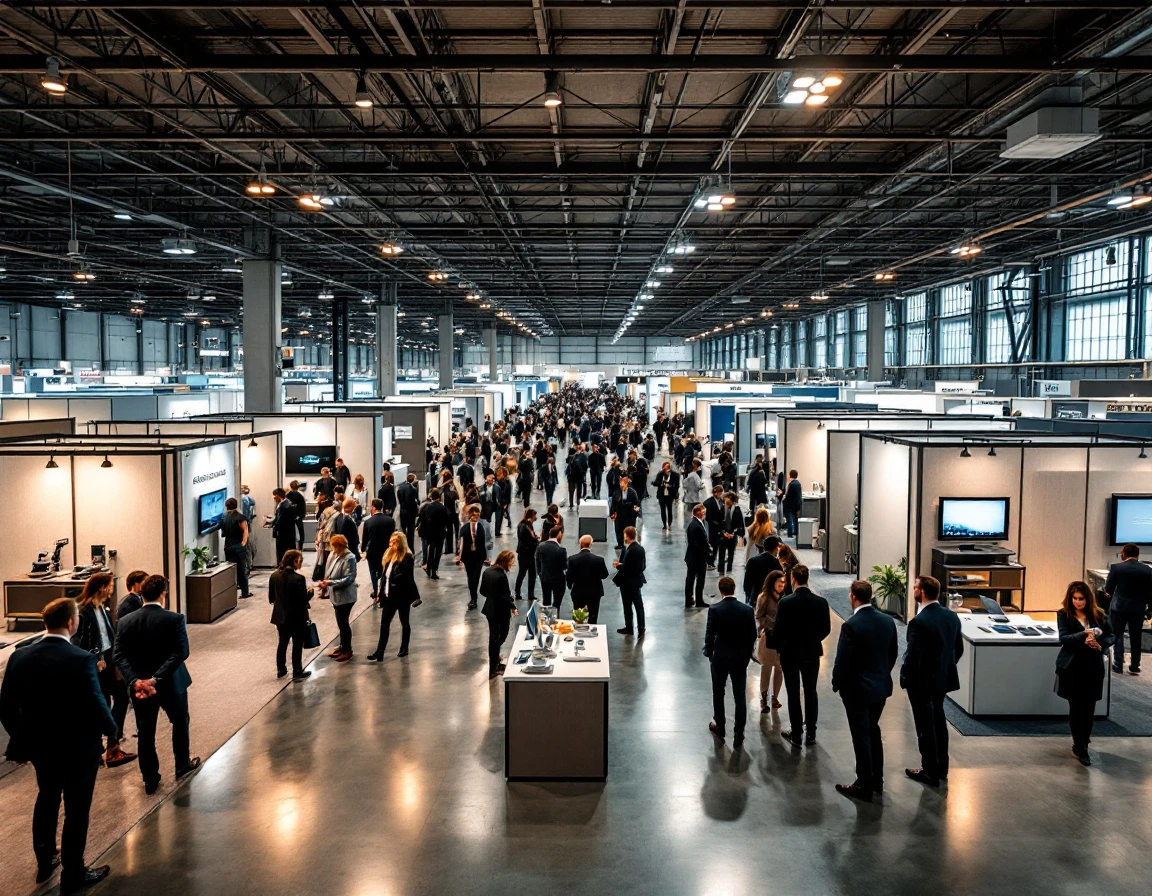
High-Impact Demos and Questions
Generic demos showcase best-case scenarios that rarely match your daily operations. Request a short workflow demo using the vendor's sample data that mirrors your shop's actual processes—a rush job with variable finishing, a batch reorder, or a multi-carrier shipping comparison. This reveals friction points that polished keynotes hide.
Ask targeted questions that uncover integration reality: "How does this integrate with our current POS?" "What's the onboarding timeline, and who handles training?" "Do you have case studies from shops with our order volume?" These questions separate vendors who understand print operations from those selling generic retail software.
Request case studies from businesses your size.
A solution that works for a 50-employee operation may overwhelm a three-person shop or lack the capacity a growing business needs. Real-world validation from comparable shops helps you assess whether ROI claims apply to your situation.
Booth-Specific Action Items
Walking away from a booth with just a business card means the conversation ends there. Before you leave each vendor's space, capture contact details, demo video links, and pricing snapshots in a structured expo notebook—one page per booth keeps everything organized for later review.
While you're still at the booth, schedule a 15-minute follow-up call for the week after the expo. Locking a date before you walk away turns a casual chat into a committed next step, and vendors are more likely to honor calendar invites made face-to-face.
For your top-choice vendors—the ones that address your biggest competitive gaps—request a 30-day trial or pilot. Real-world testing in your shop reveals integration hiccups, training needs, and workflow adjustments that no demo floor can replicate.
Networking Sessions and Peer Insights
Networking at PRINTING United Expo isn't about collecting business cards—it's competitive intelligence gathering. Identify two to three print shop owners running operations similar to yours in size and service mix. Ask them what problems they're solving this year and which vendors caught their attention. These conversations expose you to solutions your competitors are evaluating, giving you a clearer picture of where the market is heading.
At vendor booths, request time with a product manager rather than relying solely on sales teams. Product managers can discuss edge cases, integration limitations, and roadmap priorities that salespeople often gloss over. Ask questions like "What's your biggest pain point right now?" and "What vendor surprised you this year?" to unlock candid feedback that goes beyond polished presentations.
Building these vendor relationships during the expo accelerates post-event deal cycles. When you follow up after the show, you're reconnecting with someone who already understands your shop's challenges—not starting from scratch. Take advantage of networking events and special experiences built to connect industry professionals.
90-Day Post-Expo ROI Tracking
The real test of any expo visit happens in the three months after you return to your shop. Without a tracking framework, vendor conversations fade and demo enthusiasm disappears into daily operations. Start by listing the three to five booths you committed to follow up with and attach a specific goal to each: "test workflow software to cut order processing time" or "trial wide-format printer to launch new service line."
Set checkpoints at 30, 60, and 90 days to log concrete progress. At 30 days, did the trial start? At 60 days, was the demo scheduled or pricing finalized? At 90 days, record actual outcomes: cost saved, hours reduced per week, or new revenue from services you launched. Use a one-page template with columns for vendor name, goal, checkpoint dates, and measured results.
This tracking closes the loop between pre-expo planning, strategic booth selection, and measurable business results. It also builds a proven method you can refine for future expos and use to justify the trip investment to your team or partners.