

Why Mid-Year Equipment Investment Matters
Print shop owners often delay equipment decisions until fall demand hits—then scramble to add capacity when orders overflow. Fall wedding invitations, holiday marketing campaigns, and year-end corporate orders all land between August and December. Shops that evaluate upgrades in July gain three critical months to run new equipment at full capacity before the September trade show season, Halloween material surge, and November political signage rush. Attending PRINTING United Expo 2026 during the summer months positions your operation to capitalize on this timing advantage.
Print shop owners know the pattern: summer is slow, fall explodes with orders, and January goes quiet again. The shops that stay profitable are the ones that time equipment purchases so machines run at full capacity during those high-margin peak months. A wide-format printer purchased in July generates revenue through September trade show season, Halloween event materials, and November political signage before hitting the holiday card surge. The same machine purchased in November misses those revenue cycles entirely.
PRINTING United Expo compresses research timelines by putting decision-makers face-to-face with equipment vendors. Questions that take weeks to resolve through email exchanges get answered in fifteen-minute demonstrations. Pricing negotiations that drag through multiple phone calls close at the booth when buyers can compare three competing systems in one afternoon. ParcelPuffin users often benchmark equipment decisions against their current workflow—knowing exactly which bottlenecks a new printer or finishing system would resolve. Attend PRINTING United Expo 2026 prepared with clear priorities, and you'll return with both vendor commitments and a roadmap to boost fall production capacity. See how ParcelPuffin helps print shop owners plan seasonal capacity growth.
Three ROI Categories at PRINTING United Expo 2026
Attending PRINTING United Expo 2026 delivers measurable value across three distinct categories. Understanding these categories helps frame the expo as a strategic investment rather than an industry browsing event.
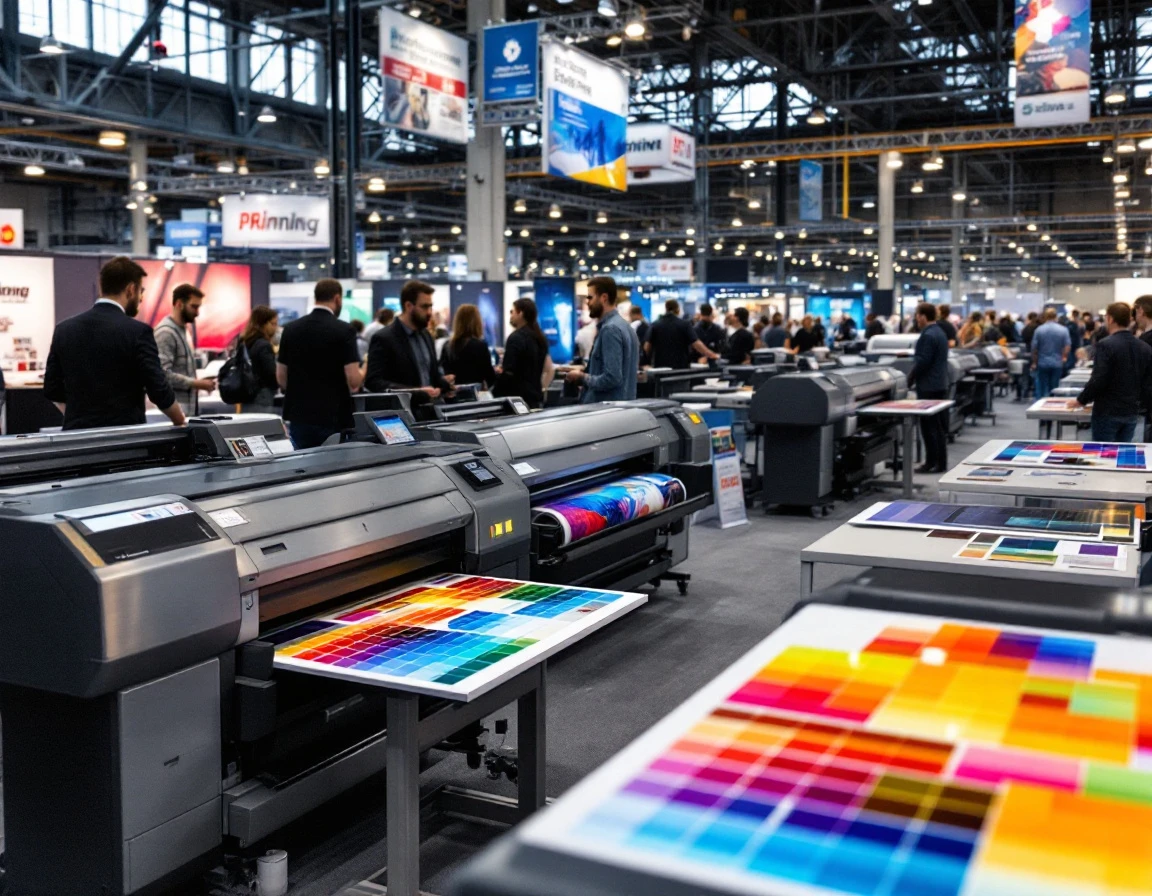
Equipment intelligence starts on the show floor. Live demonstrations reveal actual throughput rates, workflow integration challenges, and hidden costs that spec sheets never mention. Watch a digital press handle variable data jobs to see if it matches your customer mix. Test finishing equipment to discover whether it requires dedicated floor space or specialized electrical work. These hands-on sessions surface total cost of ownership details that eliminate expensive surprises after purchase.
Vendor partnerships emerge from one-on-one conversations with manufacturers and distributors. Face-to-face contact creates preferred-customer relationships that translate into faster quote turnarounds during rush season and priority support when equipment issues arise. The sales rep you meet in October becomes the contact who expedites your December order when wedding season hits early.
Industry intelligence flows from peer conversations in aisles and education sessions. Other shop owners share which service lines carry the best margins, which customer segments are growing, and which operational changes improved their throughput. This information surfaces market shifts months before they appear in trade publications, giving early movers time to adjust service offerings before local competition catches on. Print shop networking events like this one create direct channels for learning what competitors already know.
Pre-Expo Preparation Checklist
Many print shop owners walk into PRINTING United Expo with a general interest in new equipment, but without a strategy. They spend three days watching demos, collecting brochures, and chatting with booth staff—then return to the shop unable to prioritize which equipment actually solves their bottlenecks. The shops that extract real ROI arrive with documented production gaps and leave with vendor agreements, not just swag bags.
Before the expo, spend two hours identifying your top two or three equipment needs. Which jobs take longest? Which customer requests do you turn down because you lack capacity? Write these down. Start by auditing current production bottlenecks two months before the expo. Identify which equipment slows turnaround on rush jobs, creates quality inconsistencies, or limits the product categories you can accept. Define two to three specific investment targets aligned to fall demand—whether that's faster envelope printing for wedding season overflow or finishing equipment for corporate presentation materials.
Next, research exhibitors and schedule booth appointments four weeks out. Vendor calendars fill quickly with qualified buyers. Pre-scheduled meetings guarantee face time with decision-makers rather than booth staff reading spec sheets. Request live demos of specific features that address your documented bottlenecks.
Finally, clarify budget authority and decision criteria before you arrive. Bring documented approval thresholds, financing parameters, and integration requirements. Vendors convert prepared buyers into priority customers with better terms and faster installation timelines.
Networking Strategies During the Expo
The strongest ROI from PRINTING United Expo comes from relationships, not product demos. Peer roundtables reveal which service lines—large-format signage, specialty finishing, direct mail—drive the highest margins at similar shops. When another shop owner explains how a flatbed UV printer opened new commercial signage accounts, you learn what equipment investments actually pay off in your market. You gain intelligence no sales brochure offers.
Approach vendor conversations with specific questions about integration timelines, support response windows, and supply-chain dependencies. Ask reps how their equipment handles variable data printing for direct mail campaigns or what software updates address upcoming regulation changes. These discussions surface industry direction before trade publications cover it.
Real partnerships form through intentional follow-up. Before leaving a booth, schedule a follow-up call for the next week. Exchange direct contact information with peers and vendor reps who understand your production mix. These relationships provide faster equipment negotiations. Priority support access, and operational advice for twelve months after the expo floor closes.

Post-Expo Action Plan Framework
Converting expo attendance into business results requires structured follow-through. ParcelPuffin helps print shop owners bridge the gap between expo insights and operational implementation. Within 48 hours of returning, organize your contact list, flag your top three equipment priorities, and schedule vendor follow-up calls while conversations are fresh. This immediate consolidation prevents leads from going cold and maintains momentum from the show floor.
Within two weeks, sit down and calculate the business case for your top two equipment options. Model the productivity gains—fewer hours per job, faster turnaround on rush orders—and estimate new revenue from service lines you can now accept (like direct mail finishing if you invest in a binder). Compare these gains against purchase costs and financing options. Present this analysis to your finance stakeholders with realistic Q4 implementation timelines and first-year ROI projections.
The final step is the hardest: actually commit to an equipment purchase before summer ends. Expos generate enthusiasm, but that energy fades once you're back at the counter handling daily jobs. Set a firm decision deadline—August 31 is realistic—and use it to force a final vendor call and financing confirmation. Pick one major upgrade that directly addresses the bottleneck you identified pre-expo. Set a Q4 implementation timeline that positions your shop to handle fall demand with new capabilities. Email yourself a simple checklist: vendor contact names with next-step dates, your prioritized upgrade list with costs, and implementation milestones. This accountability framework prevents the expo from becoming just another trade show where you collected cards and returned to business as usual. Learn how to transform expo insights into operational improvements before year-end.