

Why Print Shop Technology Trends Matter Now
Independent print shop owners juggle rising customer expectations for speed and customization while managing tighter labor and material budgets. The shops that thrive aren't necessarily the biggest—they're the ones with systems that keep operations smooth under pressure. Understanding current print shop technology trends is essential as the upcoming holiday production surge in Q4 will test capacity and efficiency like never before.
PRINTING United Expo 2026 showcased equipment and automation solutions built to address these pressures. Shops that implement workflow automation and finishing systems report meaningful cost reductions—primarily from faster job setup, reduced waste, and fewer manual touchpoints.
Timing matters. You need to plan equipment adoption carefully, train your team, and spread the investment over several months to avoid disrupting daily operations. Shops that begin now have a realistic path to full deployment before September, positioning themselves to handle peak season demand with confidence.
Four Core Technology Categories
The expo floor showcased four distinct technology pillars, each addressing a different operational bottleneck. Digital printing equipment allows shops to produce jobs on demand rather than maintaining costly pre-printed inventory that sits on shelves. A shop carrying generic brochure stock ties up capital; a shop with on-demand color printing produces exactly what customers order.
Workflow automation systems reduce manual touchpoints at every stage—from order entry to file preparation to invoicing—cutting processing time and freeing staff for customer-facing work. Finishing solutions like automated cutting, folding, and binding accelerate job completion while delivering consistent quality across runs. Finally, quality control systems catch errors before jobs leave the shop, eliminating the expense and customer frustration of reprints.
You don't need to overhaul all four areas at once. The roadmap ahead identifies which category delivers the fastest return based on your shop's current pain points.

Digital Printing Equipment ROI
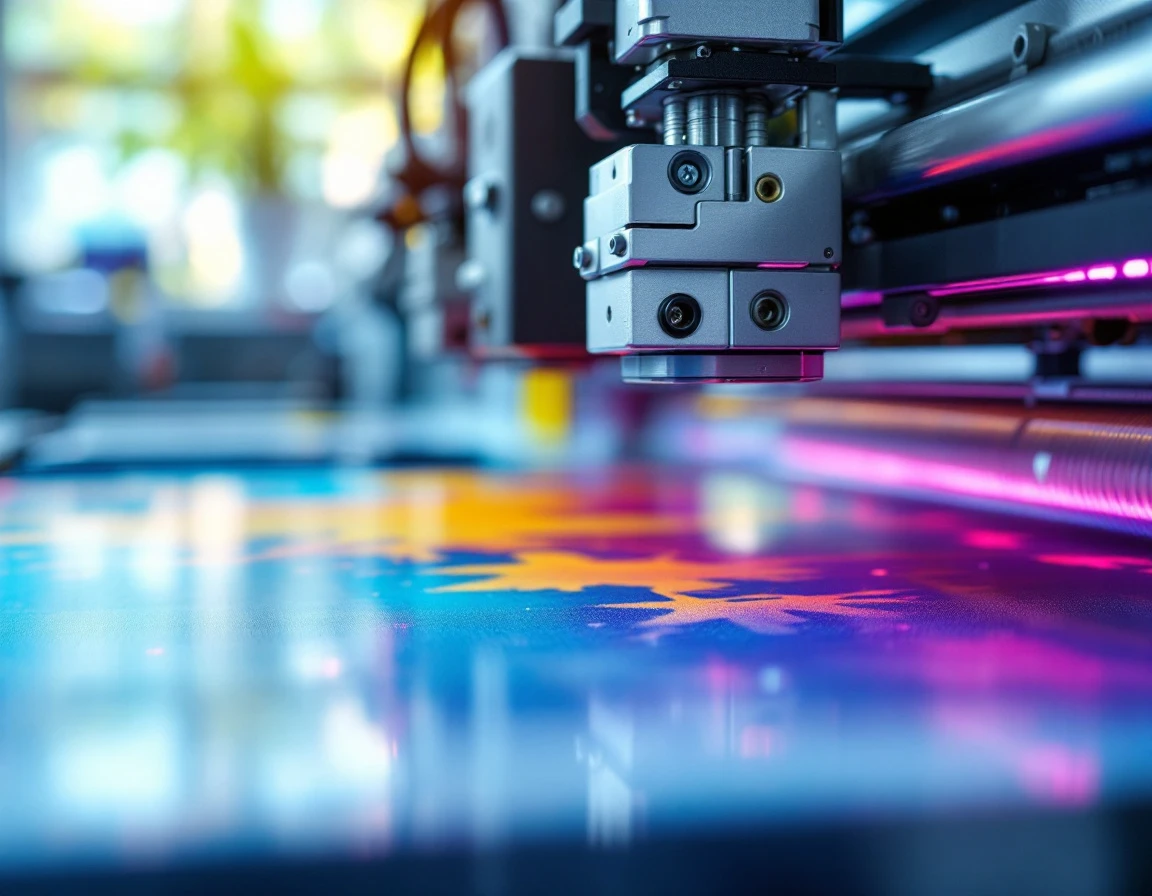
Modern high-speed digital presses solve the two challenges print shops face most: customers who want customization and customers who need it fast. A shop running 500-unit orders can break even faster with digital equipment than with traditional offset because there's no plate setup, no long makeready, and no minimum run length driving up per-unit costs on short jobs.
Digital presses also open the door to high-margin specialty work—variable-data printing for personalized direct mail, custom marketing materials with individual names or offers, and on-demand jobs that command premium pricing because of their quick turnaround. This combination of lower per-unit costs and higher-margin custom work directly improves competitive positioning and profit margins before the holiday production surge.
Workflow Automation & Labor Efficiency
Automation tools on display at PRINTING United Expo 2026—job ticketing systems, prepress software, and integration platforms—eliminate manual handoffs that slow production. Instead of re-entering customer data across multiple touchpoints, automated workflows route files from order intake through production and shipping with minimal human intervention. The result: operators spend less time on data entry and more time managing client relationships and custom solutions.
Time savings translate directly into capacity gains. Shops adopting integrated workflow systems can handle 20–30% more volume with the same team size. Turning fixed labor costs into a margin advantage. Automation also reduces operator errors that lead to costly reprints and rework, protecting profitability on tight-margin jobs.
As Q4 2026 approaches, automation helps you manage peak-season volume without staff burnout. The ability to process more jobs per hour—without adding headcount—means independent print retailers can meet holiday demand and protect relationships with customers who expect fast, error-free turnaround.
Finishing Solutions & Quality Control
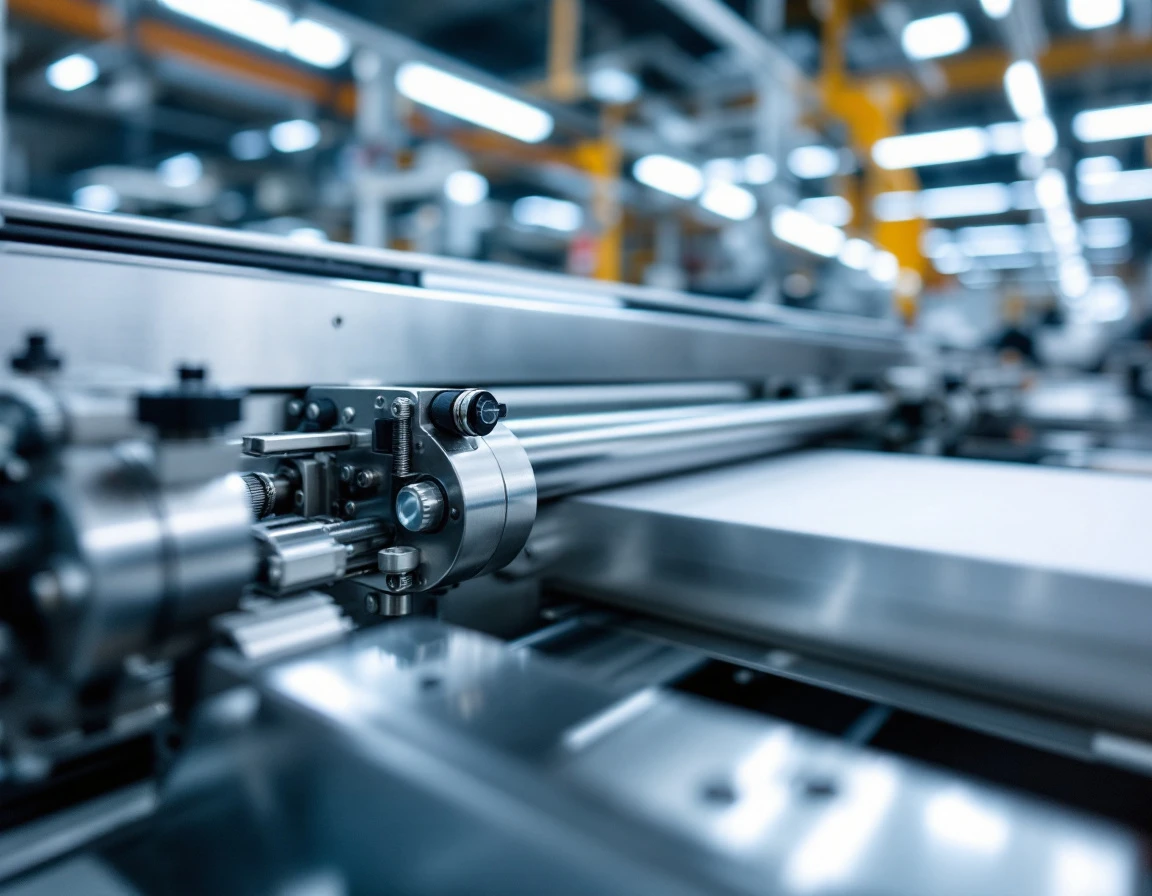
Advanced finishing equipment—cutting, folding, binding, and die-cutting machines—accelerates job completion while maintaining consistency across runs. In-house finishing eliminates the margin loss and time cost of outsourcing to third-party finishers, keeping more revenue in your shop. When you control the entire production chain, turnaround times drop and profit margins rise.
Quality control systems act as a final safeguard. Automated inspection technology and ICC-certified color profiling catch defects before they reach the customer, preventing costly reprints and protecting your reputation. A mid-sized shop in the Midwest eliminated outsourced finishing and compressed job costs while cutting turnaround from five days to two. That kind of improvement positions retailers to handle peak-season volume without sacrificing quality or speed—directly supporting cost reduction goals while improving customer satisfaction.
Phased Investment Roadmap
Turning expo insights into operational improvements requires a structured timeline that protects cash flow and minimizes disruption. The following three-phase roadmap aligns equipment adoption with your shop's revenue cycle and peak-season demands.
- Phase 1 (September–October 2026): Address your most critical bottleneck first. If turnaround time is driving customers away, prioritize digital printing equipment trends or finishing automation. If labor costs are eating margins, invest in workflow automation that reduces manual handoffs. Start by assessing current job costs, identifying which technology category offers the fastest payback, and confirming compatibility with your existing POS and business systems. Secure financing and ownership approval by mid-September—detailed ROI calculations and equipment specifications strengthen presentations to lenders or investors.
- Phase 2 (November–December 2026): Use peak-season cash flow to fund secondary improvements. If you automated workflow in Phase 1, add finishing equipment now. Train staff on new systems during slower periods between jobs, so January operations run smoothly.
- Phase 3 (January–June 2027): Stabilize operations and optimize the full integrated system. Review job costing data, adjust pricing to reflect new margins, and fine-tune equipment settings for maximum efficiency. This phased approach spreads investment over twelve months, avoiding the cash flow strain and operational chaos that comes with installing everything at once.
Moving Forward: Q4 Readiness
The holiday season begins in earnest by October, which means independent print shops need to finalize equipment selections and begin installation by September 2026 to complete staff training and stabilize operations before peak demand hits. Delaying until fall leaves teams scrambling to learn new systems during the busiest time of year.
Shops that implement modern print solutions before the surge capture holiday volume and command premium pricing for faster turnaround. The three-part value proposition remains clear: cost reduction through automation and in-house finishing, competitive positioning through speed and customization, and profitability through premium pricing on expedited work.
Use the roadmap outlined in this guide to build a business case for ownership or lenders this month.
Request a demo from equipment vendors, connect with ParcelPuffin for integrated operations support. Or download a simple ROI calculator to compare financing options. Integrated technology stacks amplify individual equipment returns, turning expo insights into measurable margin gains before Q4 2026.