
Market Opportunity for Print Shop Embellishment Services in Q3 2026
Running a print shop that offers embellishment services means working backward from customer deadlines. When trade show season hits in September, your order book fills fast—but the shops that thrive are the ones who started prep in June and July, with equipment trained staff, and workflows locked in. Shops offering foil stamping, die cutting, and specialty finishes serve this demand window while competitors relying on outsourced embellishment lose orders to turnaround delays.
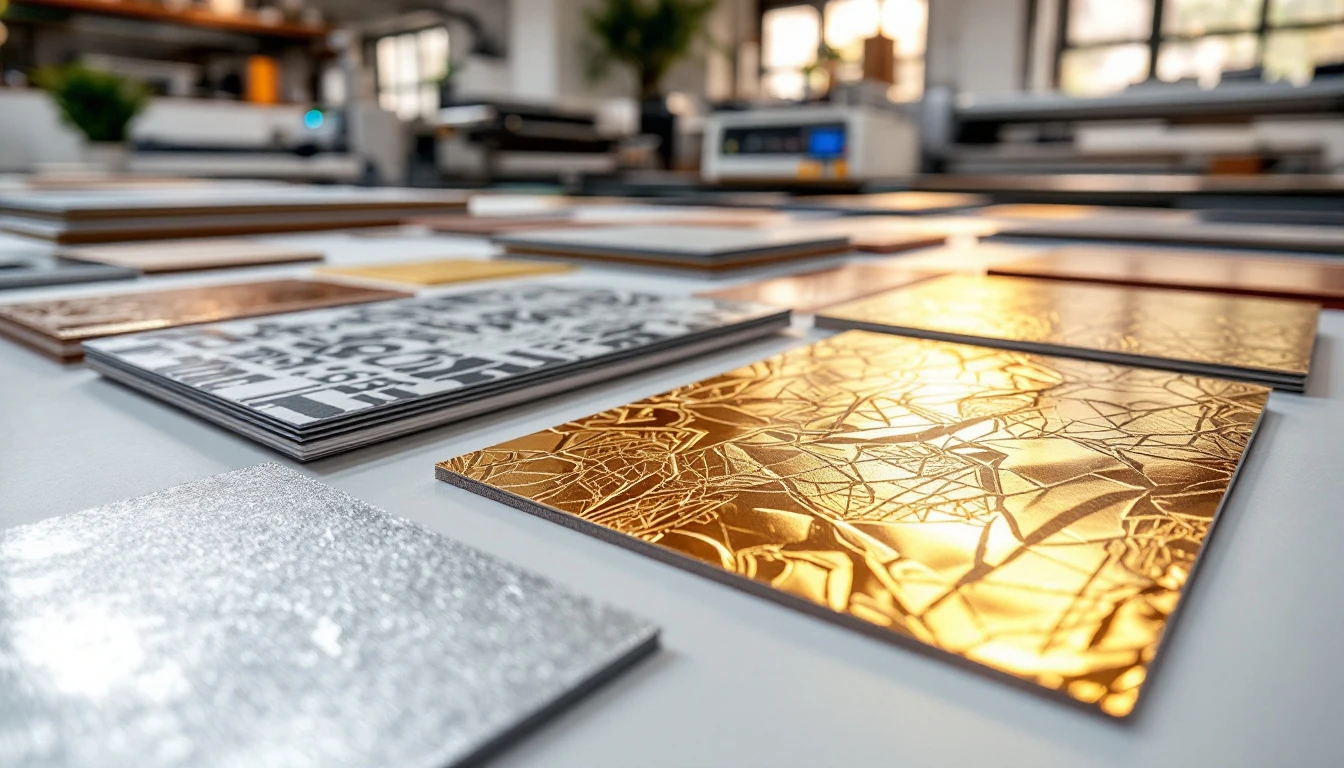
Adding foil stamping and die cutting to your print shop means capturing projects—and revenue—that competitors running offset-only workflows can't touch. Your customers already trust you. They'll pay premium rates for finishes that make their materials stand out.
Embellished work commands premium pricing because clients associate finishing techniques with higher production value. A foil-stamped invitation or die-cut presentation folder generates better per-project revenue than offset printing alone. Regional shops with in-house embellishment capabilities already capture corporate clients and event planners who budget for premium materials.
Getting equipment in place during summer gives you a two-month runway. Staff training takes time. Workflow integration takes time. Sample production takes time. That's why June and July are critical—you need this breathing room before fall orders flood in.
Decision Framework for Capability Selection
Three questions guide your equipment choice. How much floor space do you have? What's your team's experience level? How many custom jobs do you actually run each month? Answer these first, and the rest becomes clear. Print shops running 15 or fewer specialty orders per month can meet demand with a dedicated foil stamping unit or single-purpose die cutter. If your order volume sits closer to 30 custom projects monthly, a hybrid system that combines foiling and cutting justifies the investment and floor footprint.
Equipment complexity matters as much as capacity. Foil stamping requires precise heat and pressure calibration—plan on three to five days for typical turnaround once your operator masters alignment. Die cutting delivers faster output at two to three days after custom dies arrive, but designing and ordering dies adds lead time. Match machine sophistication to your team's experience. A shop with operators already running digital presses adapts more quickly to multi-function embellishment systems than a crew accustomed to offset-only workflows.
Budget planning hinges on order velocity projections. Single-unit foil stampers start around mid-four figures and occupy minimal space. Multi-purpose platforms cost more upfront but eliminate the need for separate stations when you're fielding diverse finishing requests. Once you've settled on the right equipment, circle back to your growth targets. This purchase should fit into a bigger strategy for where your shop is heading—not just next quarter, but for the rest of the year. Your business expansion audit will map how embellishment revenue fits those goals.
Sourcing and Evaluating Equipment Suppliers
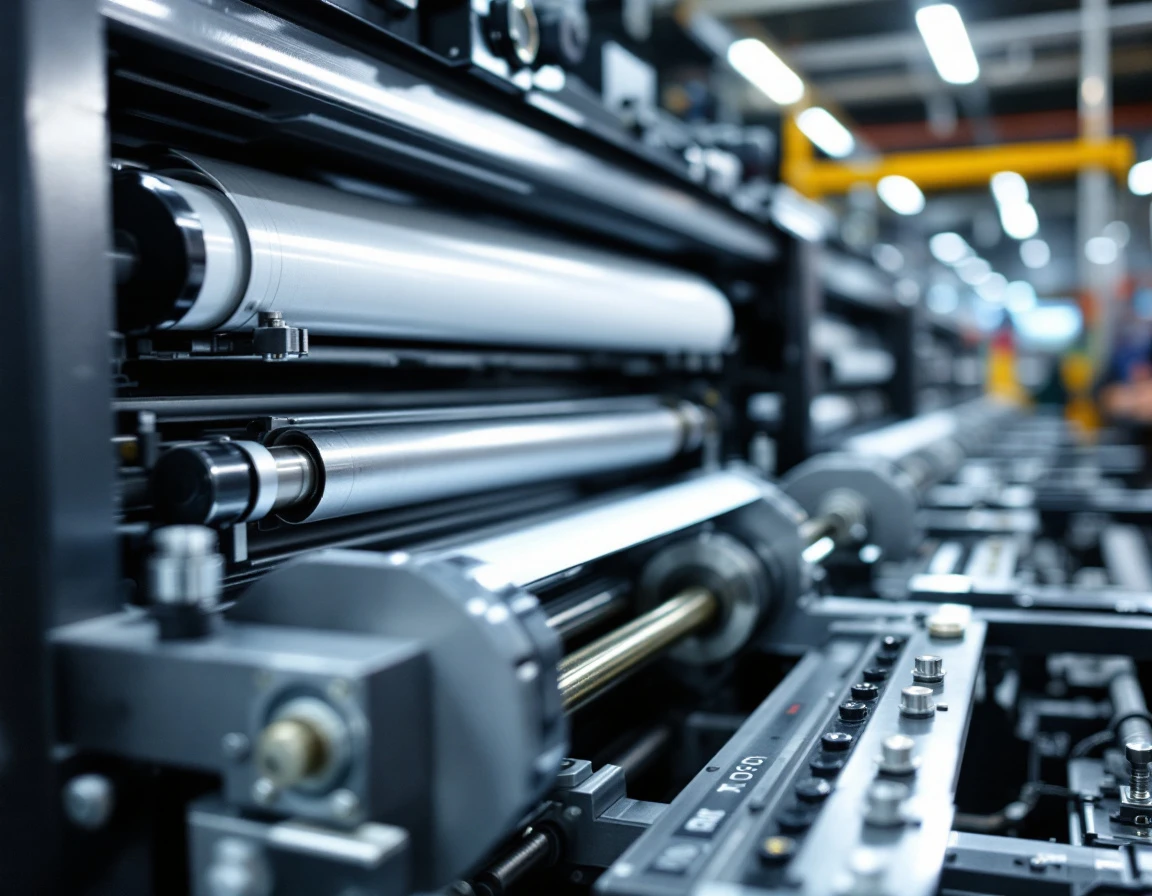
Start your supplier search by distinguishing between tier-1 manufacturers—Heidelberg, Komori, Konica Minolta—and emerging brands that offer comparable foiling and die-cutting features at lower acquisition costs. Established vendors bring proven service networks and resale value, but newer manufacturers often deliver the output quality small shops need without the premium price tag. Your choice depends on your mid-year cash position and service-scaling plans.
Review your July KPI checklist to assess available capital.
Leasing keeps your cash free for stock and marketing. Purchasing means no more monthly bills, but it ties up capital. If Q2 was strong, buy. If margins are tight, lease and stay flexible.Match the financing structure to your cash flow pattern.
Request demonstration runs using your actual customer samples—wedding invitations, branded folders, anything typical for your shop. Ask three questions: Will they reproduce your stock with clean foil adhesion? Can they train your team on maintenance and troubleshooting? Do they offer regional service and references from shops your size? Verify all three before signing. Sourcing embellishment equipment for printing requires this level of vendor scrutiny. Securing quotes and scheduling demos in July means equipment arrives and installation completes by early September, giving you time to refine workflows before fall event season begins.
Integration and Staff Training Roadmap
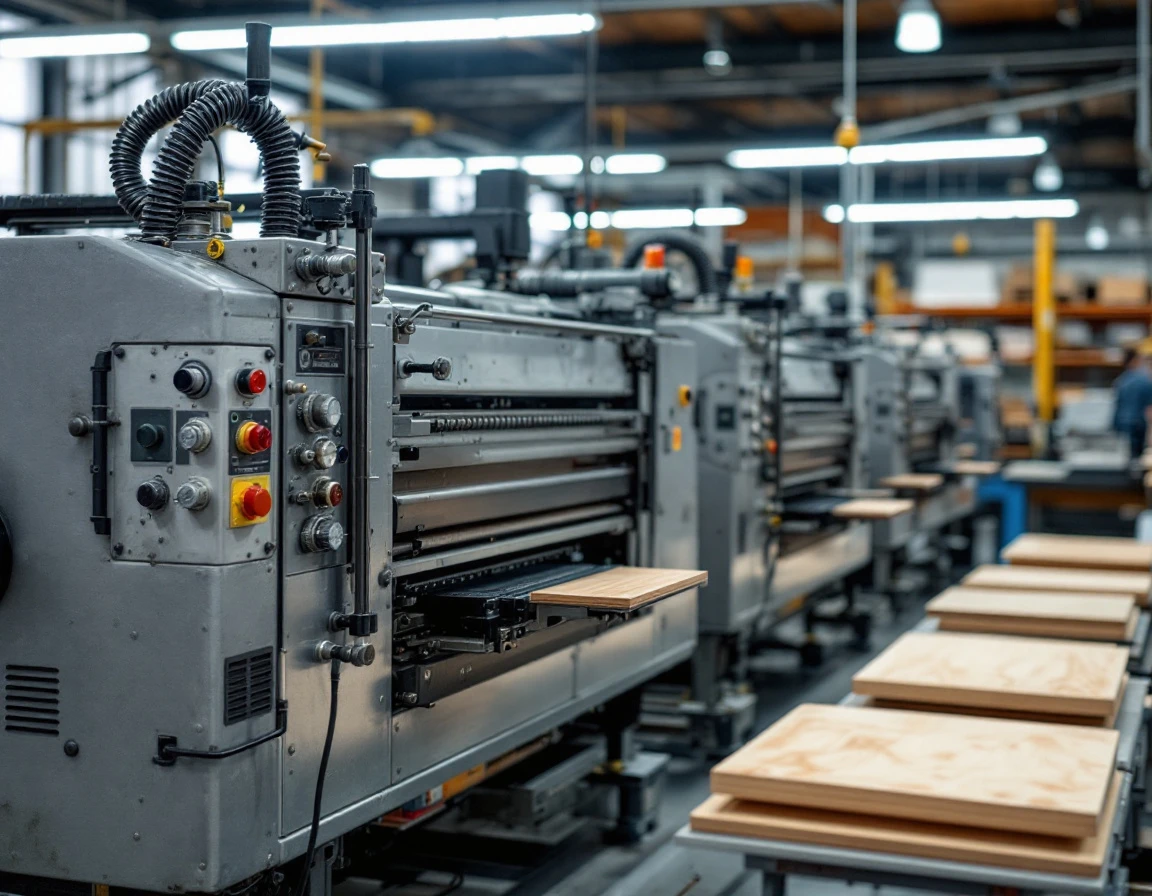
Once equipment arrives in weeks one through two, structure a phased rollout that protects current service quality. Designate a lead operator for each new capability and schedule supplier-led training during weeks three and four, when the manufacturer's technician walks your team through setup, maintenance, and troubleshooting specific to your model. Weeks five and six focus on internal testing: run current customer samples through the new equipment to refine quality standards, establish realistic turnaround times, and create job-aid documentation that future operators can reference.
During weeks seven and eight, staff build confidence by cross-training on quality checks and standard operating procedures. Start with one of your best customers in week nine—someone who already trusts your work. Run their first embellished project, gather feedback, and use the result to build confidence before public marketing begins. This 60–90 day timeline allows your team to become proficient without rushing unproven capabilities to market, and shows new hires or cross-trained employees exactly where they fit into production workflows.
Pricing and Customer Acquisition Strategy
Competitor research shows the following pricing benchmarks:
- Foil stamping typically runs $0.10–$0.25 per impression
- Die cutting charges $50–$150 per die plus unit cost
Target the following customer segments:
- Local event planners
- Corporate marketing teams
- E-commerce sellers
Launch Timeline and Quick Wins by Q3 End
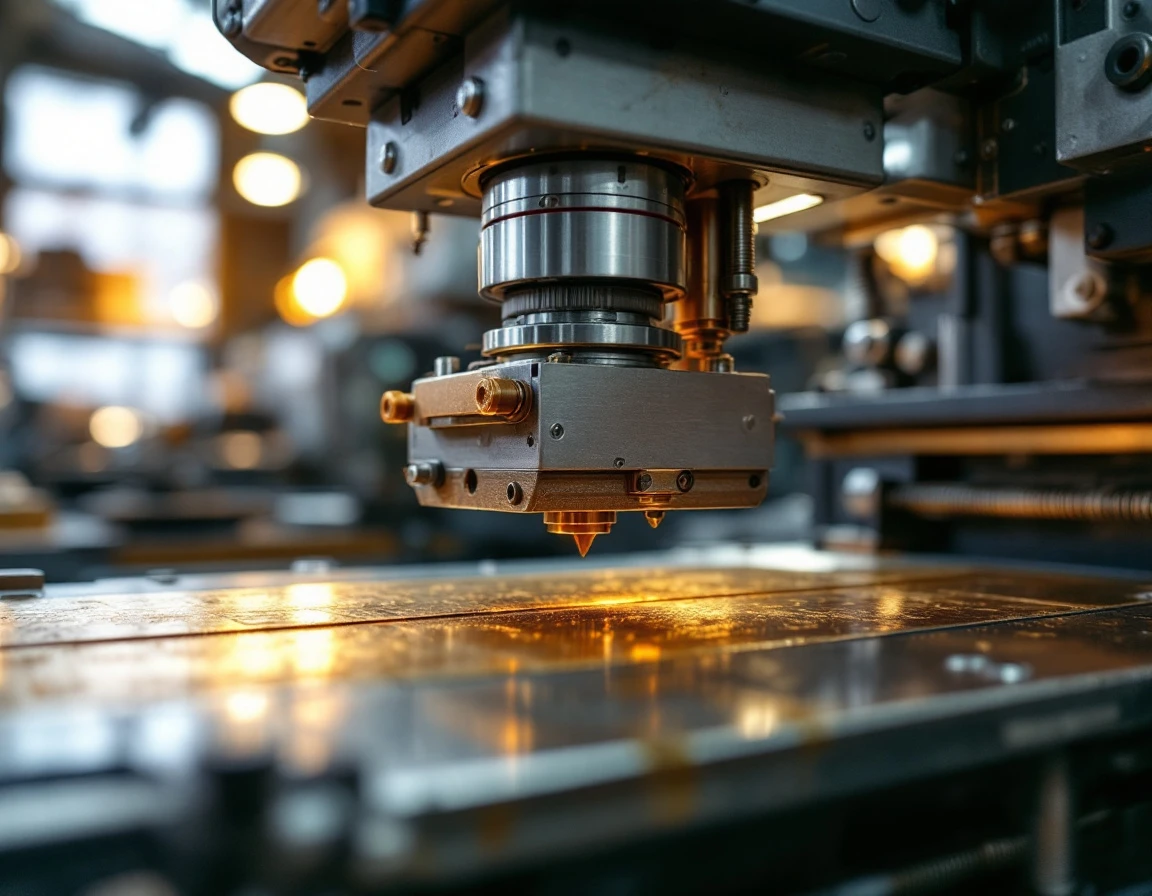
Here's your timeline to get embellishment capabilities live before fall event season hits:
- Week 1 (July 7–15): Finalize your equipment decision—single-purpose foiling unit or hybrid system—and request quotes from three suppliers by mid-month. Schedule demos between July 18 and 25 to evaluate output quality on your actual customer samples.
- Weeks 2–3 (July 16–31): Compare proposals, negotiate lease or purchase terms, and confirm delivery schedules. Lock in installation dates for early August.
- Weeks 4–8 (August): Receive equipment, complete supplier-led training, and run internal test projects with no customer-facing pressure. Build staff confidence through repetition on sample projects that mirror real orders.
- Weeks 9–12 (September 1–Labor Day): Start with one of your best customers—someone who already trusts your work. Run their first embellished project, get approval, and document it with photos. By Labor Day, you'll have proof that this capability works, and real examples to show event planners and corporate clients coming into fall season. Then you're ready to sell it.