

Summer Volume Bottlenecks in POD Shops
When July order volumes climb 40–60% above spring baselines, most print-on-demand shops running 50–500 orders per month hit a processing wall. The culprit isn't demand—it's the manual plumbing underneath. Effective print-on-demand order management requires more than scattered inboxes and spreadsheets. Orders arrive via email, inventory lives in scattered spreadsheets, and fulfillment handoffs happen through verbal check-ins across the production floor.
This fragmented workflow creates compounding delays. An order sits in an inbox while staff finish a print run. Inventory counts lag behind actual stock, triggering reorders for items already on the shelf. Fulfillment steps get skipped or duplicated because no single system tracks progress from art approval through final shipment.
The cost shows up fast: missed carrier cutoff times push deliveries into the next week, customers defect to faster competitors, and overtime wages consume the margin gains summer volume should deliver.
Without order routing automation, inventory integration. And fulfillment workflow management. Shops trade growth for chaos.
Print-On-Demand Order Management: Order Routing Automation Setup
Order routing automation eliminates the manual triage bottleneck by directing each incoming order to the correct production queue without human intervention. Instead of a staff member opening each order email, checking the product type, and assigning it to a station, the system applies template-driven rules: t-shirts route to the DTG printer, mugs go to the sublimation queue, and rush orders flag for priority handling based on ship-by date and current workload.
Most POD shops complete the initial setup in three to five days. The foundation is tight POS integration that pulls order data and product attributes, then applies routing logic and generates shipping labels in a single automated pass. Manual sorting and data re-entry disappear.
Track one metric before and after: orders processed per hour. This KPI directly measures throughput. Shops that automate routing typically cut decision time from minutes per order to seconds, freeing staff to focus on production rather than paperwork. That operational shift—moving human attention away from administrative work and toward value-added tasks—is where the real efficiency gains emerge.
Print-On-Demand Inventory Management System
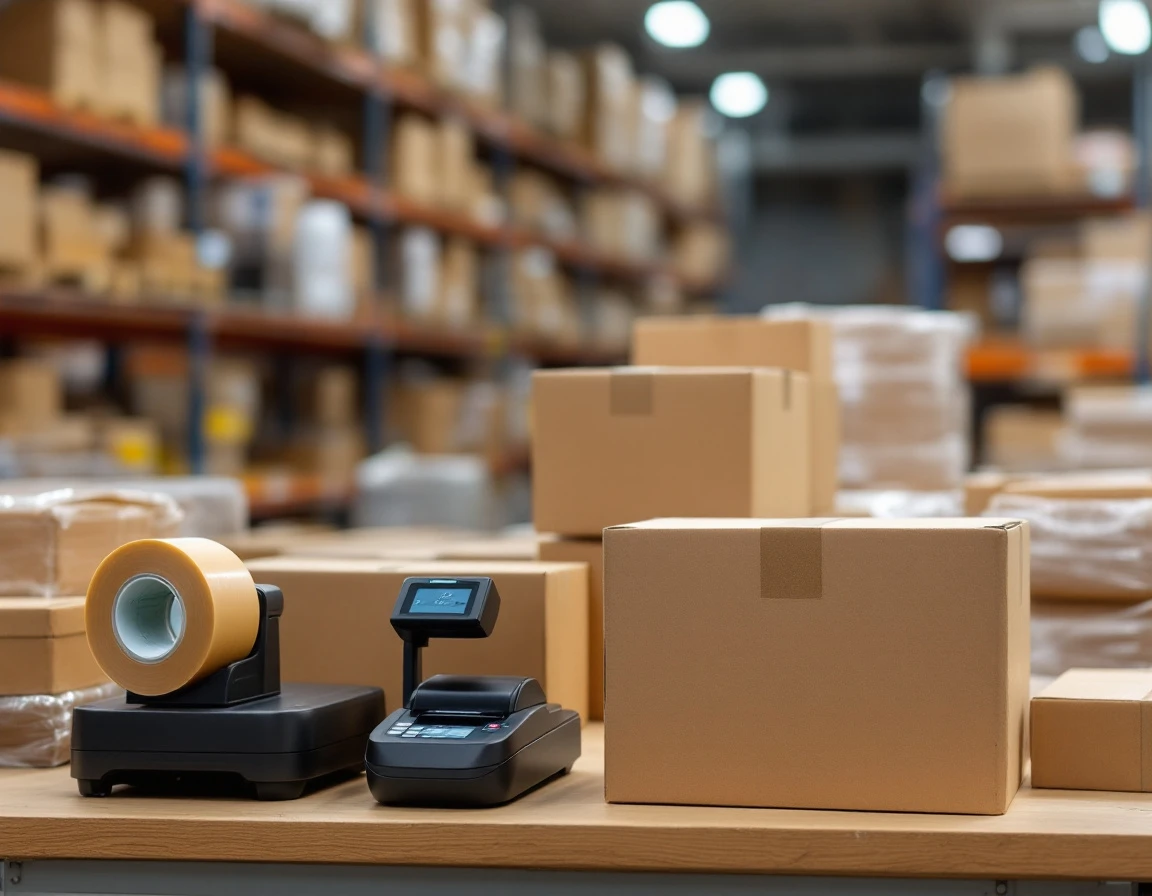
Real-time SKU visibility prevents the overcommit trap that stalls production lines mid-July. When your POS inventory counts sync directly with your production queue, staff see exactly what's available before accepting an order—no more promises you can't keep. Proper print-on-demand inventory management system integration ties together POS, production queue, and supplier reorder triggers so gaps never go unnoticed.
Connect your inventory system through an API link that keeps POS, production queue, and supplier reorder triggers in sync. When blank inventory drops below threshold or shipping supplies run low, the system flags the gap before it becomes a stockout. This guardrail stops the cascading delays that turn a busy week into a backlogged August.
Implementation takes two to three days: map your SKUs, set reorder thresholds, and train staff to check material availability during order entry.
Track stockout incidents and inventory turnover ratio week-over-week to measure progress. Shops that close this gap eliminate the mid-volume crisis that tanks customer satisfaction.
Fulfillment Workflow Management
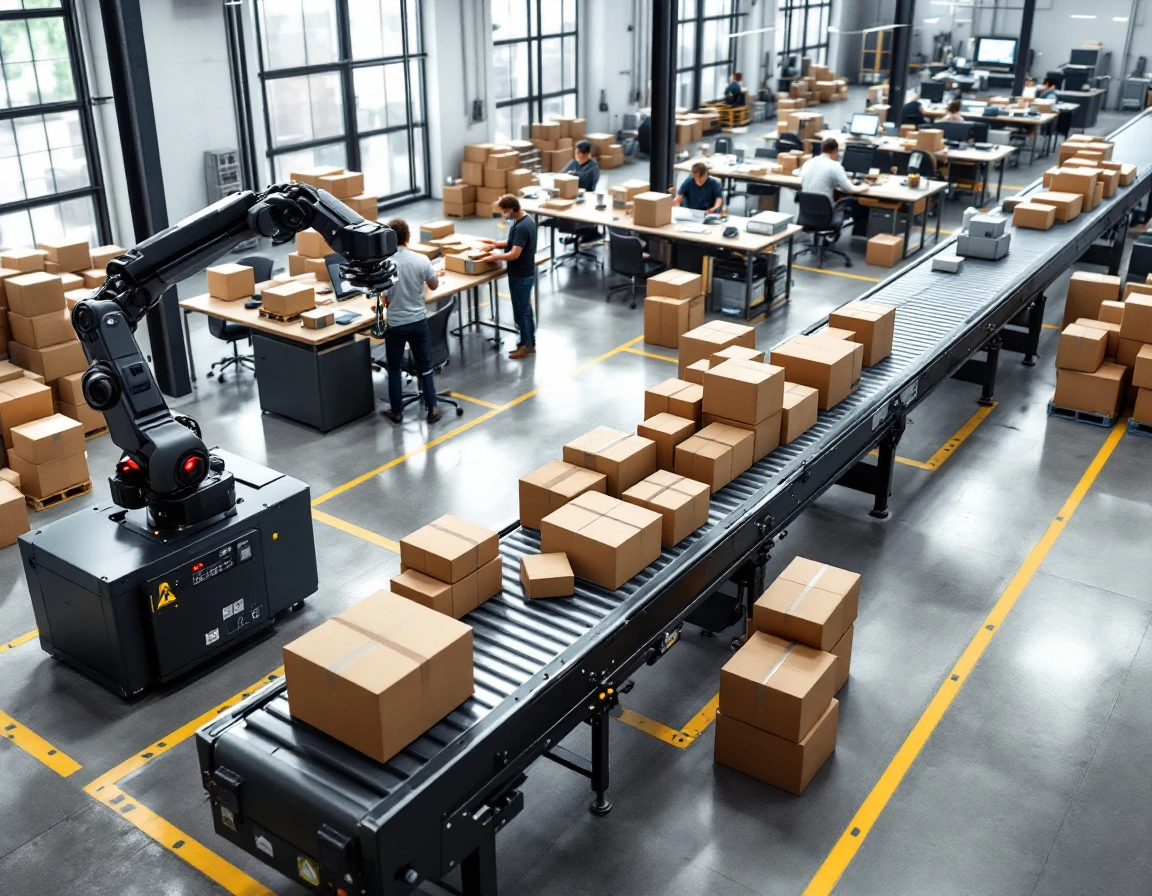
The third gap—lack of end-to-end visibility—turns peak season into a guessing game. When shop owners scan Slack threads or dig through email to answer "where's my order?" from anxious customers, fulfillment breaks down. A centralized dashboard consolidates every order's status, shipping readiness, and service-level agreement in one view, eliminating status-checking overhead that consumes hours each week. This level of order fulfillment for print shops control prevents the chaos that derails operations.
Modern fulfillment systems enforce stage gates: order confirmation flows to production start, then quality check, packing, label generation, and shipment. Automated alerts flag orders approaching their SLA deadline before they breach, preventing the rework and apologies that erode customer trust. Integration with USPS, UPS, and FedEx enables rate-shopping and label automation at the point of packing.
Setup requires one week, mostly for team training on the new workflow. Track success through on-time shipment rate—the percentage of orders leaving your facility by the promised date. This system delivers the final piece of the time-reduction puzzle by removing coordination friction from your busiest season.

4-Week Implementation Roadmap
Deploy all three systems in four weeks to hit a July go-live before summer volume peaks. Week one focuses on auditing your current order flow: document where orders stall, how inventory decisions happen, and which fulfillment handoffs cause delays. Select tools during week two—choose a POS with routing capabilities. An inventory API that connects to your production queue, and a shipping integration that supports multi-carrier rate comparison.
Week two through three involves configuration and training. Set up routing rules that direct orders by product type or SLA. Test inventory sync to confirm material counts update in real time, and train your team on the fulfillment dashboard workflow. Run parallel processing during week three and four. Operate old and new systems simultaneously to validate accuracy before cutting over completely.
Activate all systems in early July. Track the following KPIs daily through August:
- Orders processed per hour
- Stockout incidents
- On-time shipment percentage