
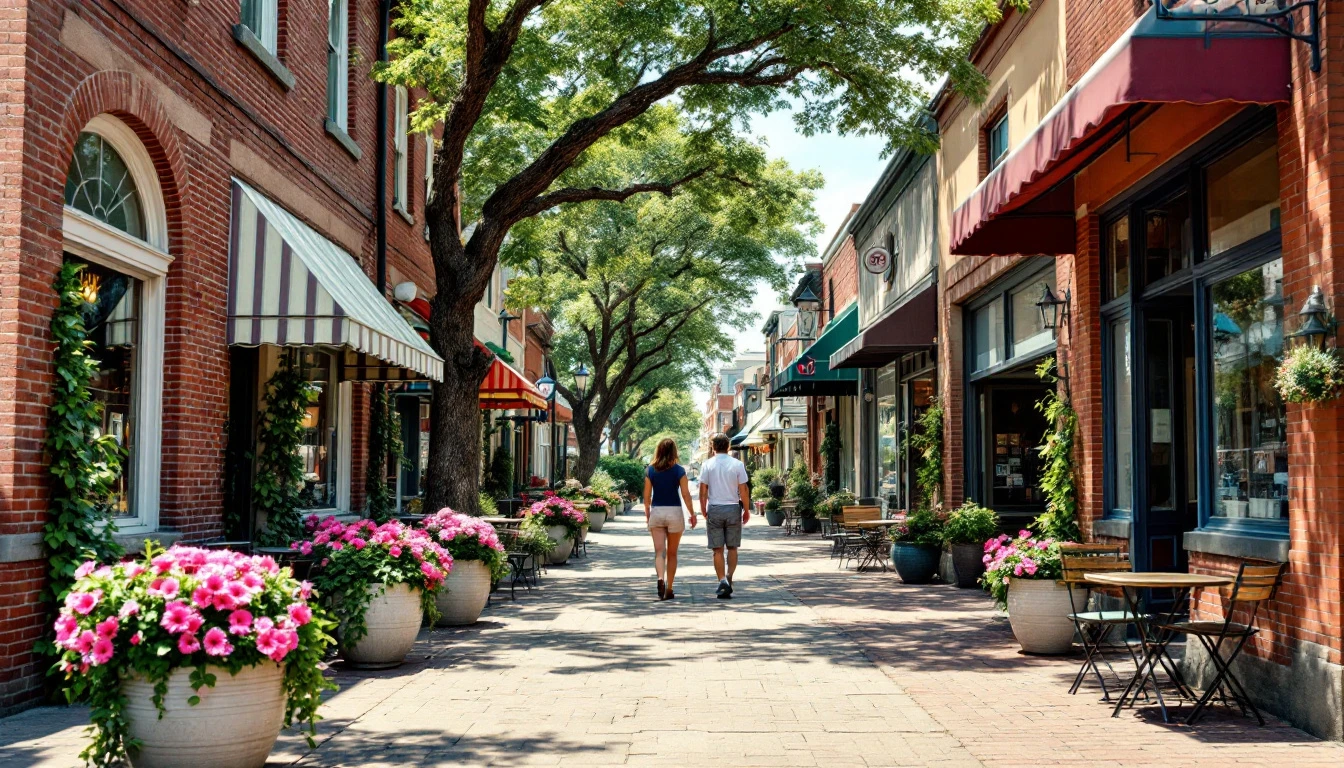
Summer Slowdown Reality for Small Retail
Independent retail stores face a predictable revenue dip from June through August as regular customers travel and local foot traffic thins out.
Summer foot traffic decline is predictable
The summer slowdown isn't a surprise — it's a measurable pattern. Independent retailers watch their foot traffic thin noticeably during July and August, with the worst days hitting in late July when family vacations peak.
Three forces drive this seasonal dip. First, customers leave town for extended trips, removing them from your local market entirely. Second, shopping urgency drops when people shift into vacation mode and delay non-essential purchases. Third, e-commerce becomes even more attractive when visiting a physical store feels like an extra errand during relaxed summer schedules.
Retailers who act in July see meaningful recovery.
Data from independent retail operations shows that stores implementing counter-seasonal strategies during July recover between 40 and 60 percent of their typical summer revenue loss. The key driver: targeted promotions and community events that convert casual browsers into committed repeat customers.
The window for action closes fast.
July and August represent the entire strategic opportunity for retailers looking to offset seasonal declines. Stores that delay implementation until late August miss the critical period when customers are still in town and receptive to local shopping experiences before back-to-school and fall routines begin.
Quick-Launch Promotions (Week 1–2 in July)
Start with a flash sale that creates urgency without requiring inventory changes. Pick three items with healthy margins—products where you can offer a meaningful discount while still protecting your baseline profit. Run the sale for exactly 48 hours, Thursday evening through Saturday close. A Portland gift shop owner tested this structure on artisan candles and locally made journals, sending one email Wednesday afternoon and posting to Instagram Thursday morning. Foot traffic doubled that weekend, and half the customers added a full-price item to their purchase.
Bundle deals work when you control the math. Offer "buy one full-price item, get a second item 30% off" rather than blanket discounts. This structure moves slower inventory without cutting deep into margin on your bestsellers. A Denver apparel boutique applied this to summer scarves and accessories—full-price top paired with a discounted belt or bag. Basket size grew because customers justified the second purchase through perceived value, and the shop maintained healthy margins on the anchor item.
In-store-only deals reclaim your advantage over online competitors. Create one promotion unavailable through any digital channel—a "shop in person this weekend" offer that email subscribers and social followers can only redeem at the register. A Chicago home goods store tested a limited-time in-store discount on individual items during a specific weekend in July and saw new customers arrive to take advantage of the deal, many of whom mentioned the email specifically.
Run email announcements 48 hours before launch, post reminder stories the morning the deal goes live, and place bold window signage that states the discount and end time. The combination drives awareness online and closes conversion at the counter, where you control the experience and can suggest complementary products.

Community Events That Don't Break Budget
"The most effective summer traffic drivers deliver strong returns on modest investments and generate repeat visits for months. Three low-investment event models deliver measurable foot traffic lifts while splitting costs with partners who bring their own audiences."
Partner co-hosted gatherings work because each organization promotes to its own network. A bookstore partnering with a literacy nonprofit for a six-week summer reading series provides the venue while the nonprofit brings volunteer readers and promotes through its donor list. The bookstore supplies refreshments and a 10% discount on featured titles. Budget: $300 for snacks and promotional postcards. Identify partners by early July—approach organizations whose missions align with your customer base, like environmental groups for outdoor retailers or arts councils for craft stores. Promote through partner email lists, in-store signage, and shared social media posts for two weeks before launch. The real case: a Portland bookstore and local library foundation co-hosted Thursday evening readings throughout July, increasing that month's foot traffic 28% compared to the previous year and converting 40% of attendees into repeat customers through August.
Recurring micro-events require minimal setup but create customer habits. A weekly Saturday morning coffee hour (9–11 AM) costs $75 per session for decent coffee and pastries. A kids' craft station running Tuesday and Thursday afternoons needs $120 monthly for supplies. These brief, predictable events outperform expensive one-time galas because customers build them into routines. Start promoting three weeks before the first event, emphasizing the recurring schedule.
Sponsorship activations attach your store to existing community gatherings. Sponsor a youth soccer team's post-game social for $250—you provide branded water bottles and a tent with product samples. Expected lift: 15–20 new customers per event who associate your store with community support rather than just transactions.
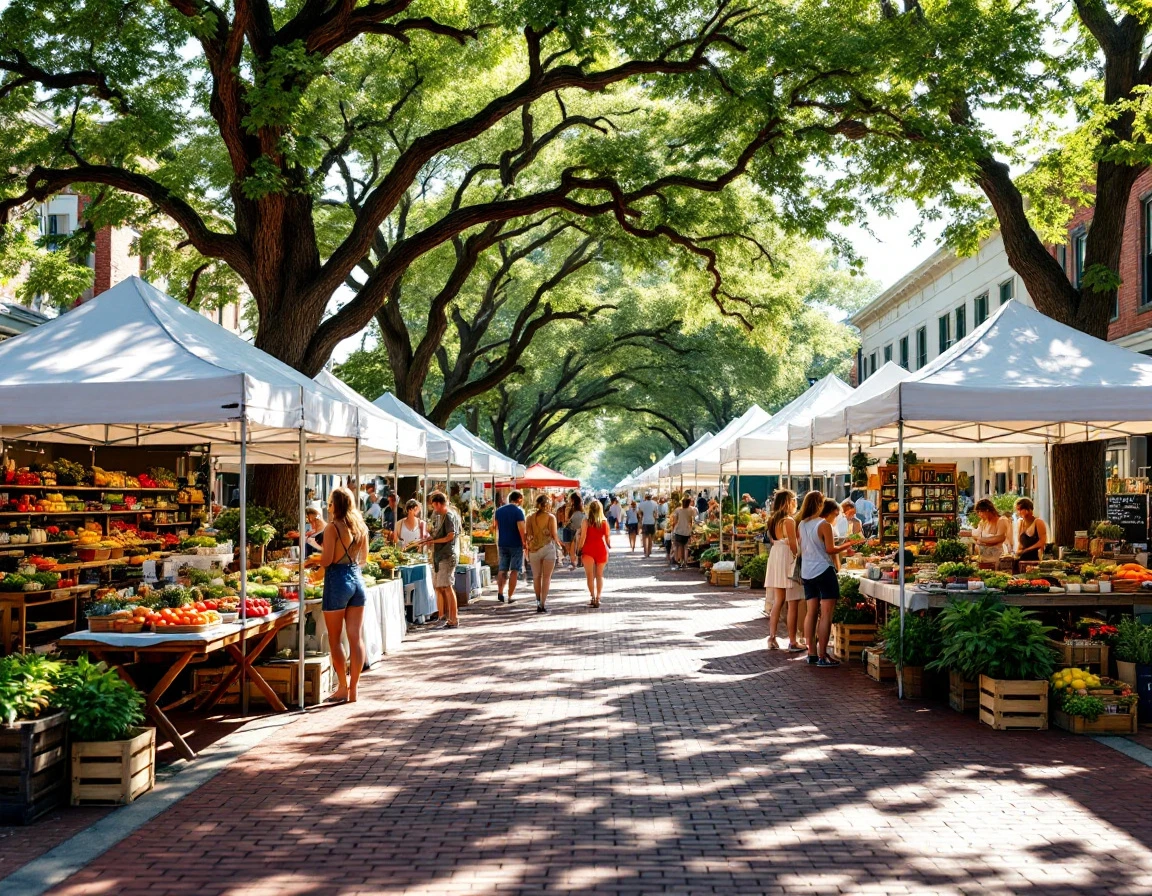
Pricing Tactics to Drive Traffic Without Margin
Smart pricing drives foot traffic without sacrificing the margins you need to stay profitable. The key is using your existing data to identify opportunities where a tactical discount moves inventory, rewards loyalty, or creates perceived value—without cutting into your baseline profitability on core products.
Start with inventory clearance pricing to free up cash and shelf space. Pull a report from your POS system showing items that haven't sold in 30 days or more. These slow movers tie up capital you could reinvest in high-demand summer stock. Discount them 20–35% to accelerate turnover. A gift shop in Vermont applied this tactic to winter-themed home décor in July, clearing $2,800 in stagnant inventory and using the proceeds to stock local artisan products that sold through in three weeks.
Loyalty-based pricing turns repeat customers into traffic anchors. Offer returning customers 10–15% off their purchase as a foot-traffic incentive. This rewards the customers already in your ecosystem and increases visit frequency during slow months. An apparel boutique in Ohio implemented a "local loyalty" discount for repeat shoppers, which brought regulars back twice as often in July and August.
Finally, use anchor pricing to amplify savings perception. Display the original price alongside the sale price—$29 marked down to $19, for example. This visual contrast justifies urgency and makes the discount feel more substantial. Pair anchor pricing with psychological pricing: $19.99 feels materially different from $20, even though the actual difference is negligible. Together, these tactics create momentum around specific products without eroding your overall margin structure.
Measurement: Tracking What Actually Works
The difference between a promotion that feels busy and one that drives profit sits in your POS data. Extract three metrics every morning: daily transaction count (your foot traffic baseline), average transaction value, and repeat customer percentage. These numbers tell you whether yesterday's promotion pulled new shoppers, increased basket size, or brought regulars back through the door.
Tag every promotion and event in your POS system before it launches. When you run a flash sale on Tuesday, label it "Flash_July9_HomeGoods" in your transaction notes or promotion field. Wednesday's community event becomes "LocalArtist_July10." Thursday's bundle deal gets "SummerBundle_July11." This tagging isolates which tactic drove which traffic spike, so you're not guessing what worked.
Set a Friday audit routine for every week in July. Pull the week's transaction data and compare it to the same week last July or to your early June baseline. Which day showed the biggest jump in foot traffic? Which promotion lifted average transaction value? If Tuesday's flash sale added twelve transactions but Wednesday's event added thirty-two, you know where to invest next week's effort.
Kill underperforming tactics by week two. If your bundle promotion moved inventory but dropped average transaction value below break-even, cut it. If your evening event drew twenty people but only six made purchases, test a different time slot or partner. Fast pivots in July let you enter August with proven tactics instead of repeating what drained resources.
ParcelPuffin's POS dashboard surfaces these metrics without spreadsheet exports, so your Friday audit takes fifteen minutes instead of an hour.
Track what moves the needle, repeat what works, and build a playbook you'll use every summer.

Implementation Playbook: Your July Action Plan
You have four weeks to reclaim summer revenue. Here's your daily roadmap broken into weekly phases that convert this strategy into action.
- Week 1 (July 1–7): Selection and Announcement. Choose one promotion from the quick-launch templates—flash sale, bundle deal, or in-store-only offer. Pull last July's POS data to identify your best-performing categories and highest-margin items. Contact two to three local nonprofits, complementary businesses, or community groups to propose a co-hosted event for mid-July. Announce both your promotion and event partnership by July 7 through email, social media, and in-store signage.
- Week 2–3 (July 8–21): Execution and Monitoring. Launch your chosen promotion and execute your first community event. Check your three daily POS metrics each morning: transaction count, average transaction value, and repeat customer percentage. Tag every promotion-driven sale in your system. Prepare your second event or follow-up activation for late July. If your promotion underperforms by Friday of Week 2, adjust pricing or switch tactics immediately.
- Week 4 (July 22–31): Measurement and Momentum. Compare your tagged promotion data against last year's July performance. Kill any tactic that hasn't moved the needle. Execute your final event or promotion push to close the month strong. Begin sketching August's calendar using what worked.
- Post-July: Document and Transition. Write down which tactics drove results and which partners delivered traffic. Save this documentation for your 2027 summer planning. Transition your winning promotions into August's rhythm rather than stopping cold on August 1.