
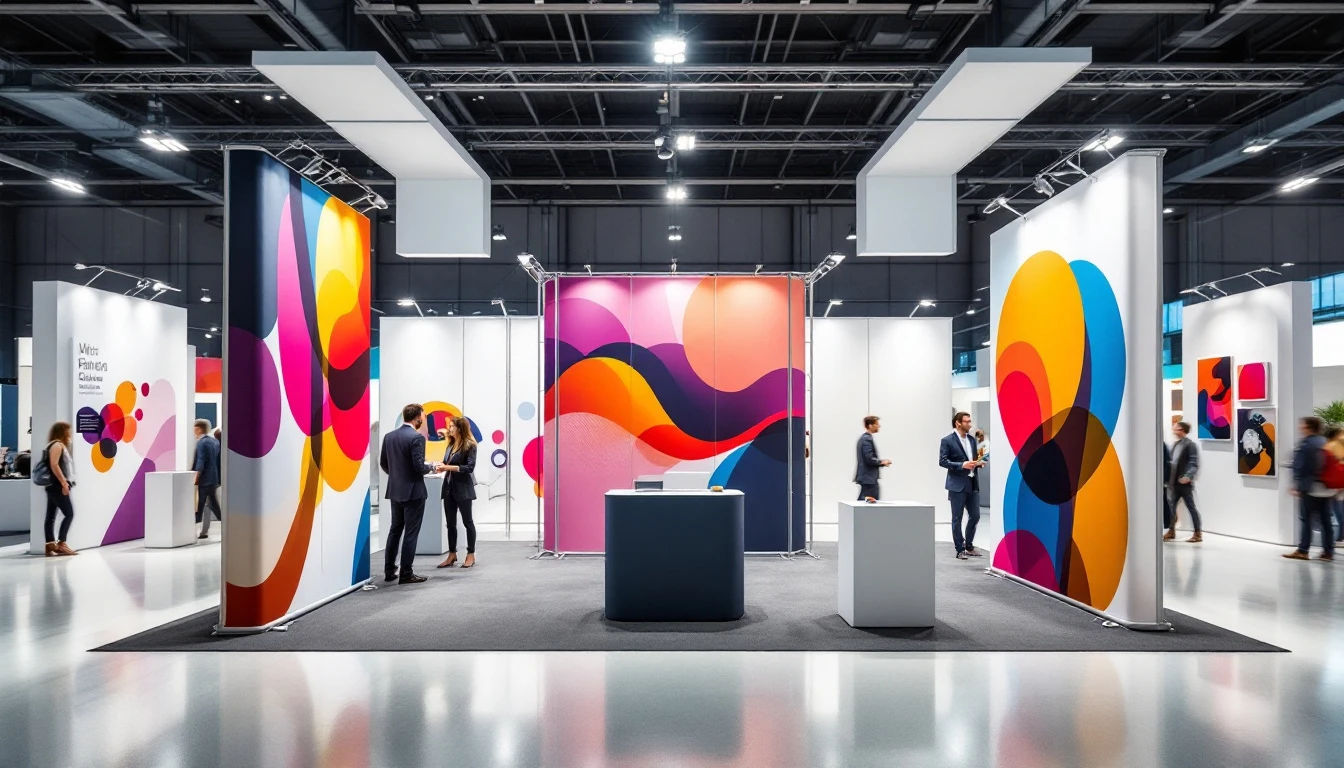
Fall Trade Show Printing Demand and Large Format Printing for Trade Shows
Pack-and-ship stores that offer large format printing services see the biggest demand spike August through November as local businesses prepare booth graphics for regional trade shows. Understanding material options and lead times helps you advise customers on costs, timelines, and durability—and positions your store as a trusted source for trade show solutions. ParcelPuffin helps pack-ship-print stores organize vendor quotes, track customer deadlines, and manage production timelines for large format orders—use the notes field to log vendor turnarounds and rush pricing so you have the information ready when customers call in August.
August through November marks peak trade
August through November represents the busiest stretch for trade shows and conferences across North America. As your customers finalize their booth orders, you'll see a surge in large format requests. Your printing vendors face capacity squeezes during these months, which means longer wait times and rush fees unless orders go in early. Your ability to help customers plan ahead directly impacts their budget and your shop's reputation.
Planning your banner and display orders early makes a measurable difference in your budget. Rush fees during the September-October crunch typically add 20-40% to standard pricing. And popular materials may face limited availability as vendors prioritize existing commitments. Booking production slots in early August locks in better rates and gives your team flexibility to refine designs without paying expedite charges.
Help Customers Choose the Right Material
Understanding the differences between vinyl, fabric, and rigid substrates helps you answer customer questions and recommend the best solution for their budget and reuse plans. Instead of defaulting to the vendor's first recommendation, you can ask about cost differences between fabric and vinyl for indoor booths, or whether switching from PVC board to foam core delivers the same visual impact at a lower price point.
Plan for 5-10 business days as the standard turnaround window for most large format printing materials.
Rush requests—especially during the September-October trade show peak—trigger premium fees that can double your printing costs, so locking in your order by mid-August protects your budget and means capacity.
Vinyl Banners: Budget-First Trade Show Displays
For small businesses with limited marketing budgets or planning one-off events, vinyl banners are the most affordable option you can offer. Vinyl banners typically cost between $15 and $35 per square foot. They're affordable enough that customers can refresh designs each season if they want to, and fast to produce—usually ready in three to five business days.
When a customer asks about vinyl for a 10×10 booth space, they're typically looking at around $2,500 for a mid-grade backdrop. That price point attracts first-time exhibitors and small businesses testing booth designs. Scale up to a 10×20 booth (200 square feet), and the same per-foot rate brings the project to $5,000. Thicker vinyl (18-ounce) costs more but holds its shape better and resists wrinkles—worth mentioning if a customer plans to reuse the banner multiple times. Thinner options save money upfront.
When customers are choosing between matte and glossy finishes, remind them that matte reduces glare in bright convention spaces—important if their booth is in a fluorescent-heavy hall. Glossy finishes amplify color saturation and make graphics pop, but they can create hotspots under direct lighting that obscure parts of your message. Most print vendors stock both options at the same price point.
Vinyl typically lasts one or two events before colors start fading. It's perfect for customers testing a booth design or who refresh their look every year. Vinyl's fast turnaround—typically three to five days—is valuable for customers who finalize designs close to their event date. If they missed early-order deadlines, vinyl is often the only option.
Turnaround time adds another advantage: most print shops deliver finished vinyl banners within three to five business days on standard orders. That quick production window makes vinyl the default choice for late planners who missed the early-order discounts or need to pivot messaging close to show dates.
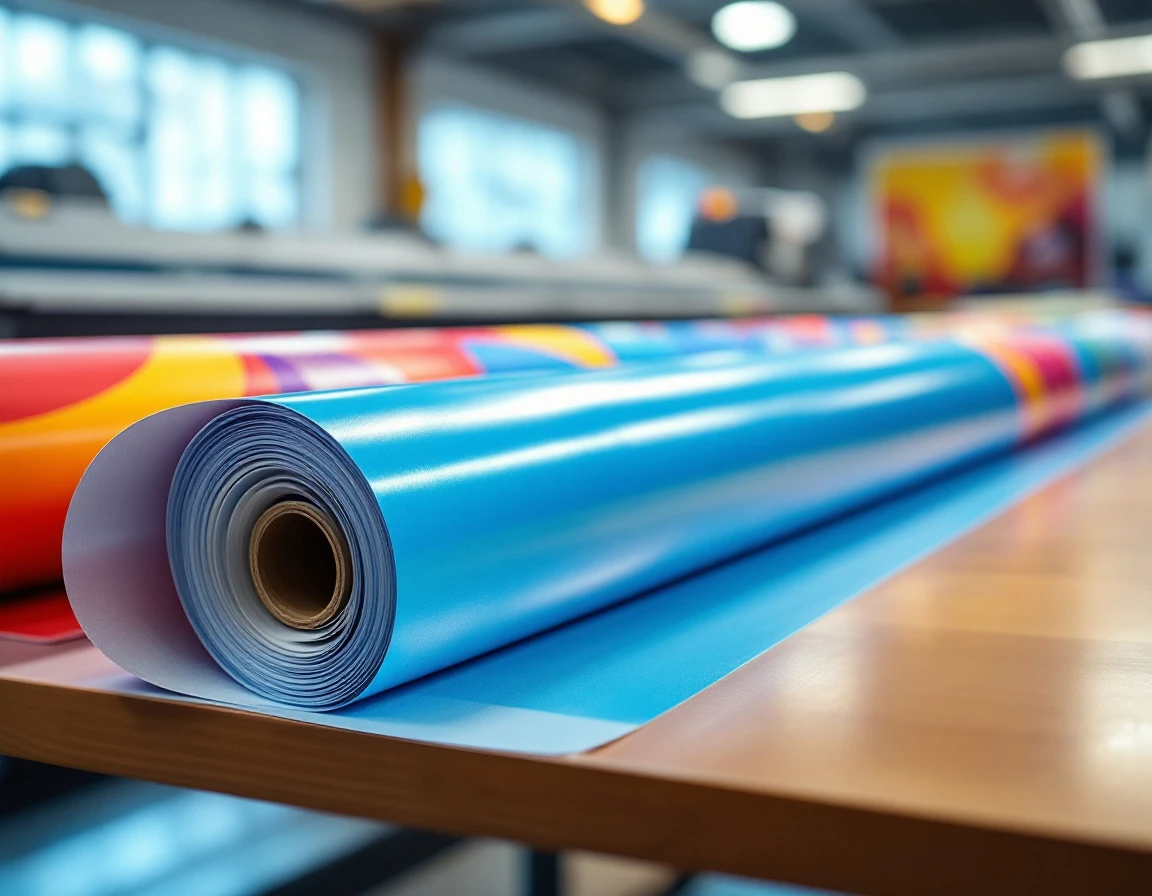
Fabric Displays: Reusable Conference Booth Solutions
When customers tell you they're exhibiting three or more times a year, fabric displays are worth recommending. The higher upfront cost pays back quickly across multiple events. Unlike vinyl banners that start showing wear after one or two events, fabric systems hold up across multiple seasons while delivering the polished aesthetic that strengthens brand credibility on a crowded show floor.
Fabric systems typically cost more per square foot than vinyl—roughly $35-65 installed. They're more complex to order, but customers who exhibit regularly see better returns because the displays last 3-5 years. Portable pop-up stands run $50-100 each for simple countertop displays, while tension fabric frames—popular for booth backwalls—range from $200-400 per frame. Full backwall installations for larger booths start around $2,000-4,000, but these systems are built to last 3-5 years with proper storage. Bringing the per-event cost well below vinyl for repeat exhibitors.
The weight advantage matters more than most first-time exhibitors realize. Fabric displays are lighter than rigid signage. Which translates directly to lower freight costs when shipping to regional shows. Setup takes less effort too—many tension frames snap together without tools, reducing labor expenses and stress on event day. When you're coordinating logistics across multiple venues each year, these operational savings add up quickly.
Fabric looks more professional than vinyl because the colors print deeper and stay vibrant under harsh booth lighting—something customers notice immediately. For brands where visual consistency matters—tech companies, professional services, healthcare providers—the higher initial outlay pays off in perceived quality.
Help your customers do the math: if they exhibit three or more times a year, a fabric system usually costs less per event than buying fresh vinyl each time. That's a conversation starter when they're comparing options.
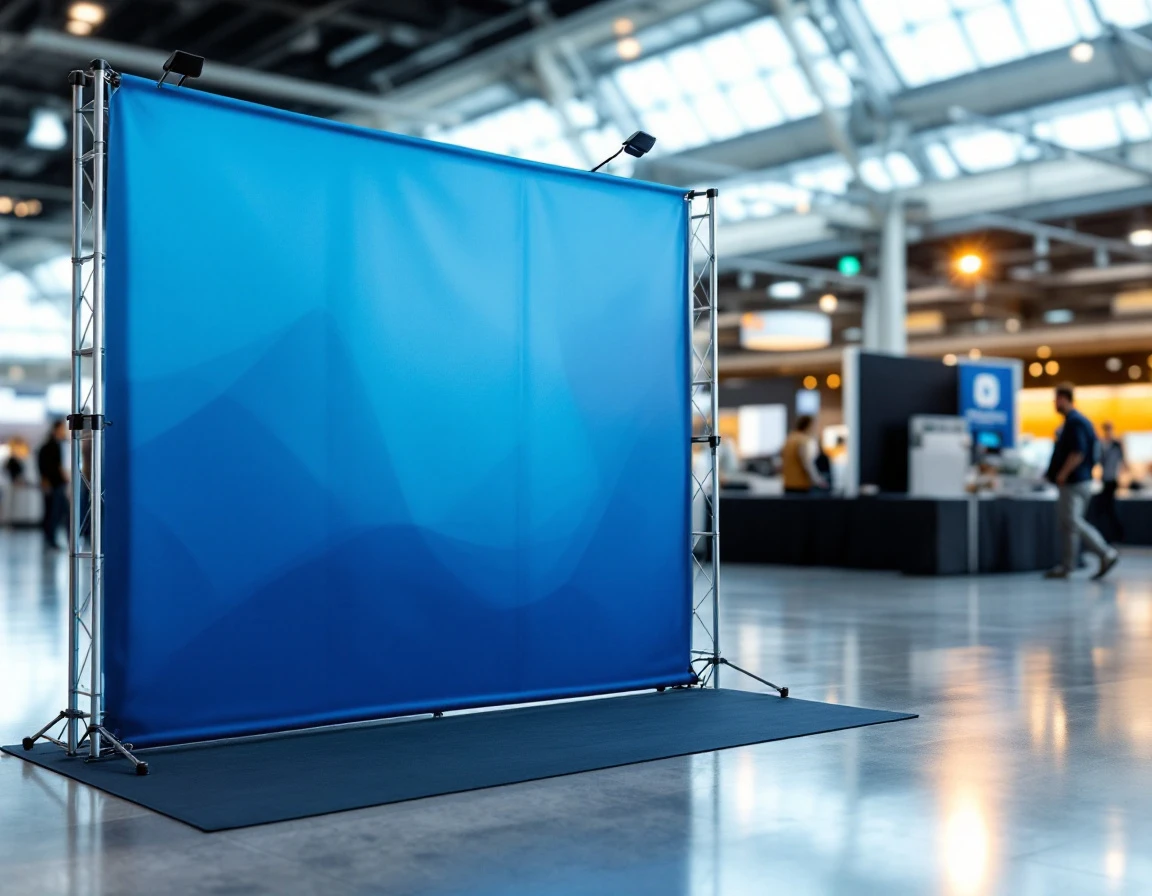
Rigid Signage: Premium Durability and Impact
Rigid boards like foam core and plastic panels are the most durable option. They're designed for companies building permanent booth setups that last years. PVC foam boards, composite panels, and corrugated plastic substrates deliver structural stability that vinyl and fabric simply cannot match, with pricing that reflects this premium construction: expect $45 to $80 per square foot depending on thickness, finish complexity, and graphic treatments.
These materials are built to last five or more years, which appeals to bigger companies that exhibit regularly. The durability justifies the higher cost if customers plan multi-year use. Rigid signage maintains its appearance and structural integrity through five or more years of regular use. Making it the practical choice for companies attending multiple shows annually. The thicker substrates support embossing, layered dimensional graphics, and custom finishes that create the tactile differentiation luxury brands require. These capabilities justify the higher per-square-foot cost when your booth needs to convey craftsmanship and permanence.
The tradeoff is shipping—rigid materials are heavy and fragile, so they need special packaging and freight service, which adds several hundred dollars per event. Rigid panels require protective crating and careful handling during transport, which pushes many exhibitors into LTL (less-than-truckload) shipping territory. Shipping costs can easily add $300-500 per event. This works best for customers with permanent booths or those attending nearby shows where shipping stays reasonable.
The math favors rigid signage for organizations exhibiting at five or more shows per year. Amortized across multiple events, the initial material investment and recurring freight costs still deliver lower per-event expenses than replacing vinyl annually. For local shows or permanent retail installations, rigid materials eliminate the durability concerns that make banners and fabric risky choices.

August-October Event Printing Prices and Lead Time
Your customers care about one thing when they call in late August: can you deliver their booth graphics on time without destroying their budget? That's where understanding lead times and pricing tiers is essential. Trade show printing vendors operate on tiered pricing structures that reflect both turnaround speed and seasonal demand. Standard orders take 5-10 business days at base rates. Expedited bumps that to 2-3 days but costs 20-30% more. Rush orders promise turnaround in 24-48 hours but can double the price.
Here's how those tiers translate to real costs: Standard 10×8 vinyl banner: $500 base price, $600 expedited (20% upcharge), $900 rush (80% upcharge). Fabric backdrop 10×20: $1,800 base, $2,200 expedited, $2,800 rush. Customers ordering by mid-August lock in standard rates; late September orders often face mandatory rush fees.
Timing matters beyond just service tier selection. Through mid-August, most vendors honor standard pricing and maintain predictable lead times around 10 business days. Late August brings the first capacity squeeze as September trade show exhibitors finalize orders. By late September, expect compressed timelines of 2-3 business days or mandatory rush fees as print shops run near capacity.
Tell customers that August is when to place orders—vendors still have capacity and honor standard rates. Orders over 500 square feet often qualify for 5-15% discounts, so bundling multiple projects or designs can save money. Vendors also offer volume discounts worth noting. Orders of 500 square feet or more often unlock price breaks ranging from 5-15%, depending on material and complexity. One timing factor customers often overlook: design approvals and payment processing can add 5-10 days to the clock. Make sure your customers finalize approvals and clear payment before the vendor starts production. Those delays originate on the client side but can appear as vendor slowdowns. Build buffer time into your planning, and clarify payment expectations upfront to avoid mistaking billing cycles for production delays.
Sizing, Design, and Next Steps
When customers come to you without exact booth dimensions, tell them to confirm their package with the event organizer first. Standard configurations are 10×10 (100 sq ft), 10×20 (200 sq ft), and 20×20 (400 sq ft). Knowing the square footage helps you calculate material costs and turnaround.
Finalize your design and get internal approval before placing your order. Once production begins, design changes become expensive—rework after files go to print creates additional costs through labor, material waste, and restarted timelines. Print shops build schedules around final-approved files, and mid-production changes disrupt those workflows.
Ask vendors for their file requirements upfront. Most need high-resolution files (300 dpi) and specific color settings. If customers aren't familiar with those specs, walk them through it or offer to handle file prep yourself—that's a valuable upsell. Most large format printers require 300 dpi resolution, CMYK color mode (not RGB), and either vector files or high-resolution raster images. Fonts should be embedded or converted to outlines to prevent substitution errors. Submitting print-ready files the first time avoids delays and proof rejections.
As the August rush approaches, reach out to two or three vendors with your customers' exact requirements—booth size, material preference, and delivery address. Comparing quotes helps you find reliable partners and lock in pricing before capacity fills. Request physical samples if you're evaluating a new vendor—screen images don't show fabric texture, banner weight, or color accuracy under trade show lighting.
Planning large format orders early means happier customers, more predictable timelines, and room in your print schedule for other projects. If you manage volume for multiple customers, use ParcelPuffin to track orders, deadlines, and vendor communications in one place—so nothing slips through during the rush. Clear communication with vendors and complete file preparation protects your budget and keeps your trade show timeline on track.