
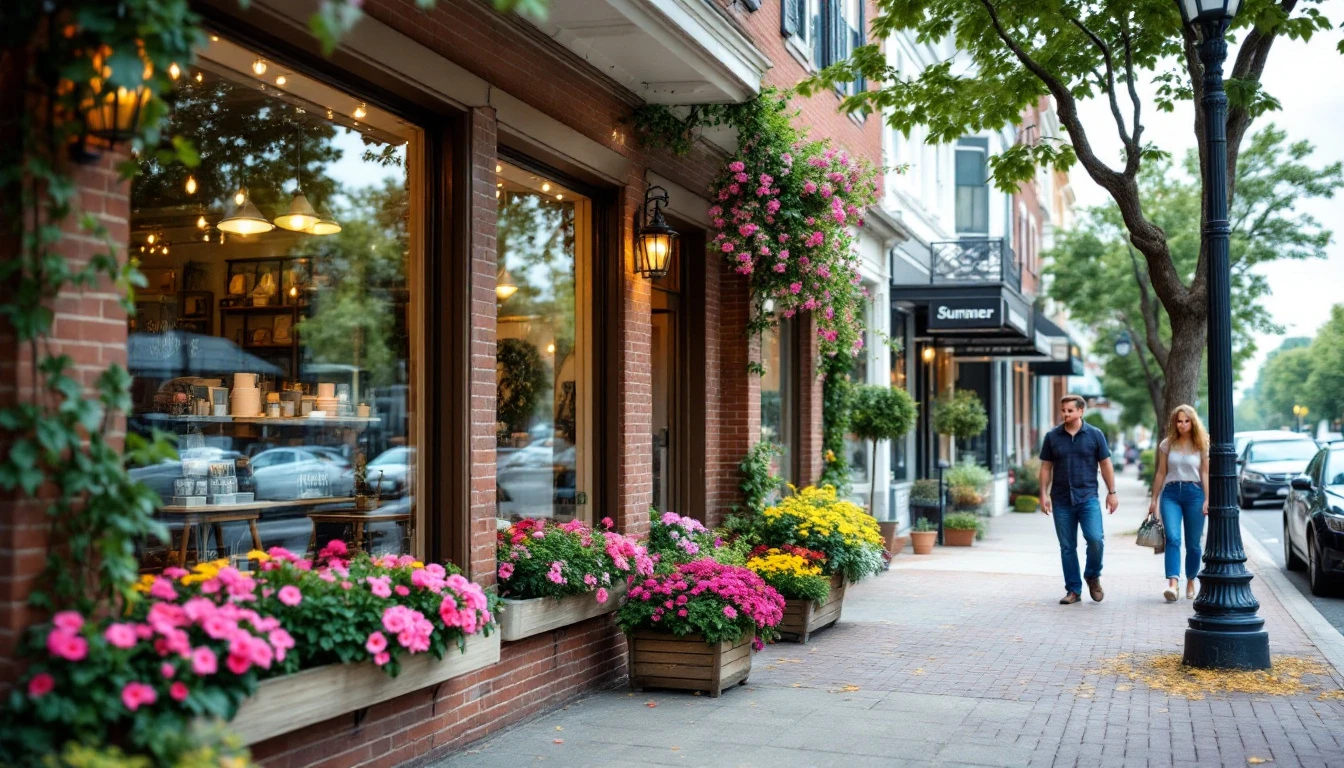
How to Increase Retail Foot Traffic During Summer Slump
Summer brings predictable sales drops for most retail stores, as vacation schedules and outdoor activities pull customers away from routine shopping patterns. Understanding how to increase retail foot traffic becomes essential during these months when traditional customer patterns shift. This guide covers three proven approaches: limited-time promotions aligned with summer rhythms, community events that transform your store into a gathering space, and customer engagement systems that build repeat visits.
July–August traffic patterns differ from peak
Summer foot traffic follows a different rhythm than the holiday rush or back-to-school weeks. Customers visit less frequently but often make larger single transactions when they do come in. Vacation schedules mean your regulars may disappear for stretches, while tourists or temporary residents create unexpected spikes in walk-in business.
Shopping behavior shifts during these months too. Customers prioritize convenience over price comparison, since they're juggling camp drop-offs, travel prep, and compressed weekday schedules. They're more receptive to bundled services and quick-turnaround options that save them a second trip.
Budget constraints limit traditional advertising
Small retail stores rarely have the marketing budgets to sustain radio spots, billboard campaigns, or paid social media ads throughout the summer months. The cost-per-impression model favors national chains with deep pockets, leaving independent stores searching for alternatives that deliver results without draining operating cash.
Community-driven tactics consistently outperform traditional paid advertising for local stores. Sidewalk sales with merchant co-ops draw more foot traffic than isolated promotions. Window signage announcing a free iced coffee with any shipping service costs pennies but converts walk-ins during afternoon heat. Partnering with neighboring businesses for cross-promotions splits costs while doubling reach—your store validates parking for the café next door, they display your flyers by the register.
Limited-Time Summer Promotions
Summer promotions work when they align with natural shopping rhythms rather than arbitrary dates. Four promotion types drive foot traffic during slow months:
- Flash sales built around 24- to 48-hour windows
- Summer bundle deals that pair complementary items
- Loyalty member early-access offers that reward repeat customers
- Buy-one-get-one discounts on inventory that needs to move before fall resets
Timing matters as much as the offer itself. Fourth of July weekend pulls strong walk-in traffic from people running errands before holiday gatherings. Late July captures parents preparing for back-to-school supply runs, even though school doesn't start for weeks. Mid-August refresh cycles work for stores selling home goods or seasonal décor, as customers look for transition pieces between summer and fall.
Announcing promotions through multiple channels compounds reach. Email broadcasts reach existing customers with purchase history. In-store signage catches walk-ins who might extend their visit if they see bundle pricing. Social media posts bring neighborhood visibility and can be shared by customers who tag friends. The combination pulls traffic from different audience segments on the same day.
Measuring which promotions convert browsers to buyers requires tracking more than total sales. Your POS system captures transaction counts, average basket size, and which specific items moved during the promotion window. Compare foot traffic during promotion days against baseline traffic the week before. If your flash sale brought 40 transactions versus the usual 22, you know the promotion pulled incremental visits rather than simply shifting existing sales forward. Stores that review POS metrics after each promotion refine their approach for the next cycle. For a detailed breakdown of tracking promotion performance through transaction data, review our POS metrics guide.
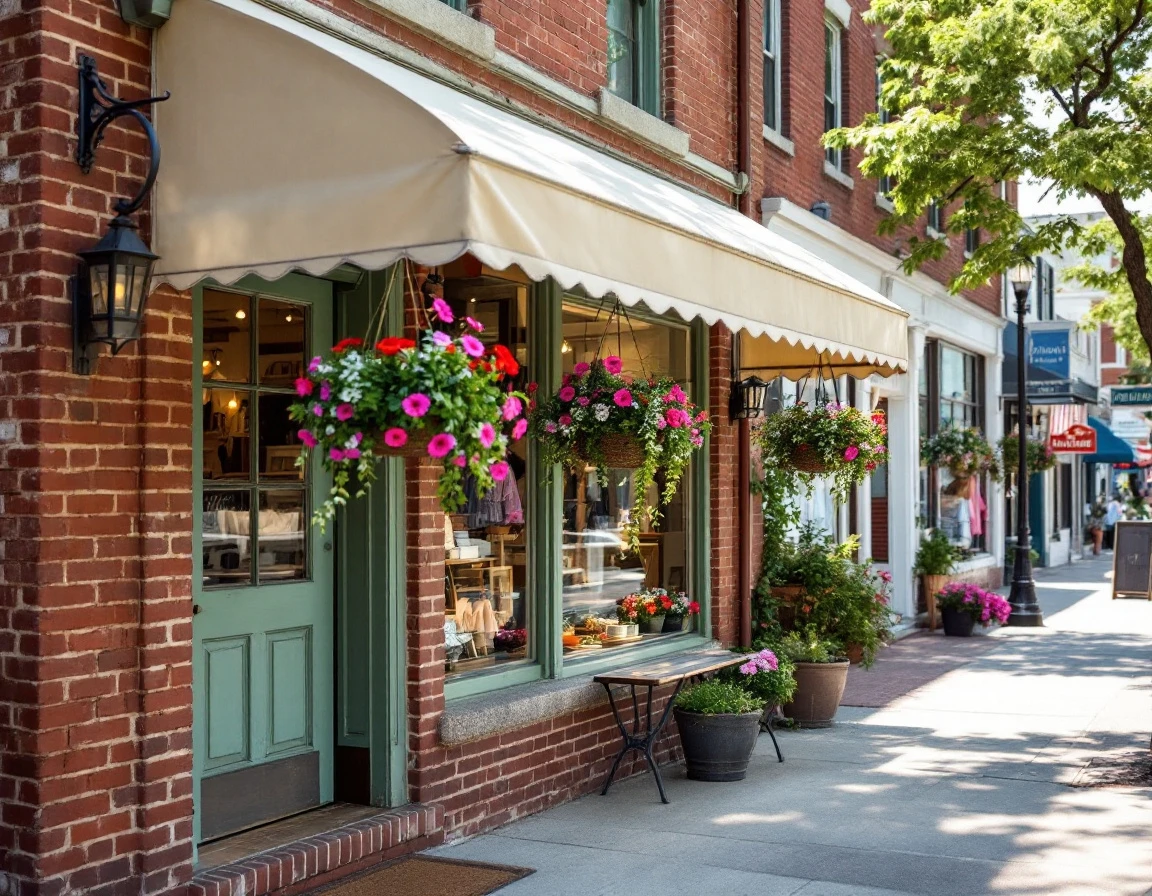
Community Events for Small Retail Business
Events transform your store from a transaction location into a gathering space. The right event format brings in foot traffic without requiring a large budget or elaborate setup. In-store styling sessions work well for fashion retailers — invite customers to book 20-minute appointments where staff help them build outfits from existing inventory. Open houses with simple refreshments (coffee, cookies, lemonade in summer) give people a reason to stop by during a Saturday morning.
Local artist pop-ups and trunk shows tap into existing audiences. Partner with a jewelry maker, painter, or craft artisan who already has a following on Instagram. They promote the event to their audience, you provide the retail space, and both parties benefit from shared traffic. Kids' summer activity hours fill a need for parents looking for affordable entertainment — set up a craft station or game area once a week, and families will return throughout the season.
Community giveback events position your business as invested in the neighborhood. Donate a portion of sales during a specific day to a local nonprofit, school fundraiser, or youth sports team. The organization promotes the event to their supporters, driving new customers through your door. Co-promotion with community groups splits marketing effort while multiplying reach.
Every event is an opportunity to collect customer emails. Set up a fishbowl drawing for a gift basket or discount, requiring email entry. Follow up within three days with a thank-you message and an exclusive offer for attendees. Promote upcoming events on your Google Business Profile using the Events feature, and post reminders on Facebook and Instagram with specific date, time, and what attendees can expect.
Events create repeat visits that extend beyond the event date itself. Attendees remember the experience, mention it to friends, and return when they need your products or services. Word-of-mouth traffic from a well-executed event sustains momentum for weeks, making it one of the highest-return tactics available to independent retailers working within tight marketing budgets.

Customer Engagement Strategies for Retail Stores
Sustained foot traffic comes from habits, not campaigns. A pack-and-ship store that sends weekly emails keeps its name visible between transactions, while a competitor that only emails quarterly becomes easy to forget.
The stores that recover summer slumps fastest are the ones that build repeatable engagement systems — short bursts of contact that require minimal time but create consistent reasons to return.
Weekly email newsletters work when they offer genuine utility rather than constant sales pitches. A fashion boutique sends Tuesday morning styling tips for summer events, pairing suggested outfits with clickable product links. A gift shop features staff picks each Friday, highlighting three seasonal items with brief descriptions and photos. These emails take fifteen minutes to assemble in a template builder and maintain open rates above industry averages because recipients expect value, not just discounts.
SMS alerts deliver higher urgency for time-sensitive offers. A three-hour flash sale on shipping supplies, a same-day markdown on clearance items, or early access to a trunk show all fit the short-message format. Customers who opt in expect brevity and immediacy — messages that respect their time get higher conversion rates than lengthy promotional texts.
In-store loyalty programs track repeat visits and spending patterns when integrated with your POS system. A punch card for ten purchases earns a discount, while point multipliers during slower weekdays shift traffic away from Saturday rushes. The system flags high-value customers automatically, letting you send targeted birthday discounts or VIP early-access invitations without manual list management.
Social media contests extend reach through participant networks. A summer gift contest — 'Tag us in your gift photo and receive a discount on your next purchase' — generates user content that functions as peer recommendations. Measure engagement through email open rates, click-throughs on newsletter links, and repeat-purchase frequency in your POS reports to identify which tactics drive actual transactions rather than passive attention.
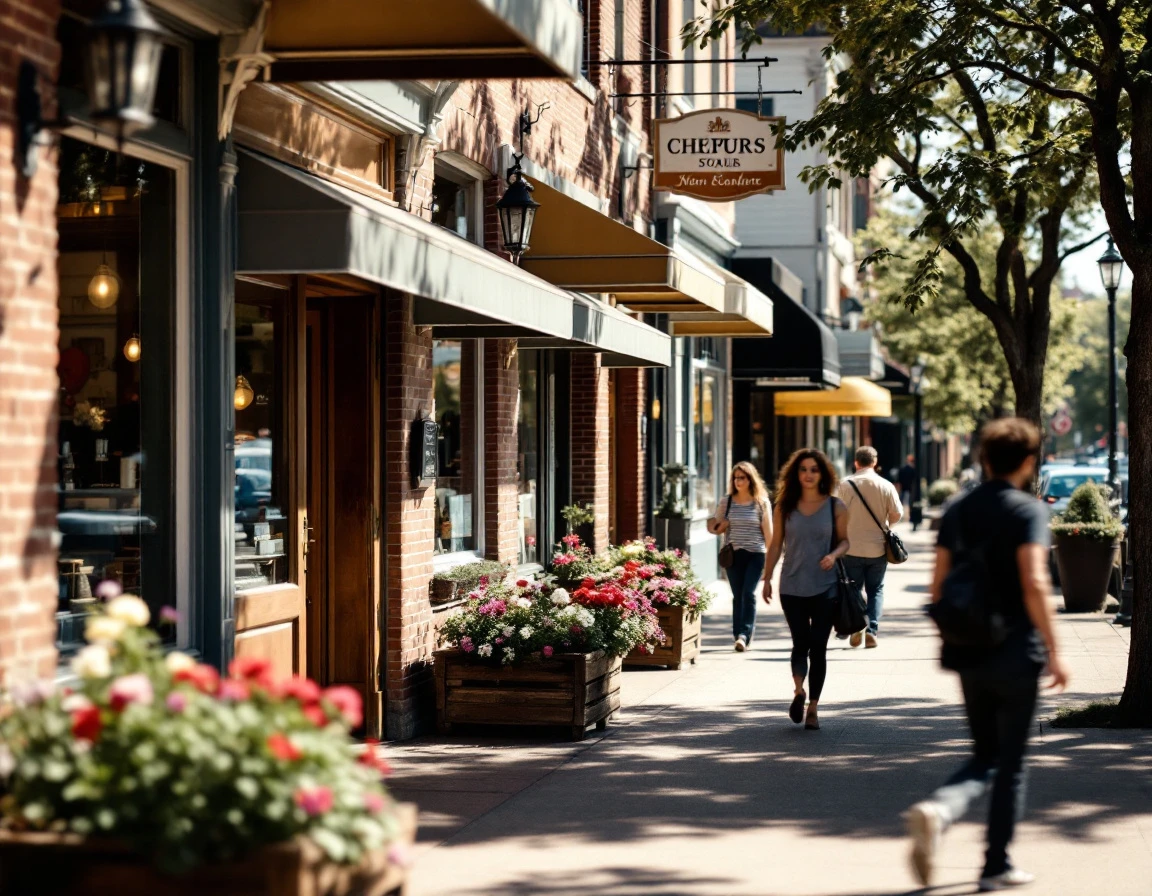
Integration and Implementation
The most effective approach combines all three strategies into a coordinated sequence that compounds results. Start by announcing a flash sale two days before an in-store event—customers who come for discounted shipping supplies stay for the styling workshop, then receive a loyalty bonus to encourage their next visit within two weeks. This layering turns a single touchpoint into three separate opportunities to capture foot traffic and boost sales during slow season retail months.
Your POS system becomes the command center for this orchestration. Modern platforms track which promotions drive walk-ins. Which events generate the highest transaction values, and how quickly loyalty members return compared to one-time shoppers. Use this data to test variations—does a Thursday event outperform Saturday? Do bundle deals convert better than percentage-off sales?—then double down on what works for your specific customer base.
A four-week mid-July launch calendar creates momentum without overwhelming your team.
- Week 1: Plan your first event and create social media posts announcing both the event and a coordinating promotion. Send an email blast to your existing customer list.
- Week 2: Execute the event, run the promotion, and collect email addresses from new attendees.
- Week 3: Launch your first post-event email newsletter and activate loyalty incentives for repeat visits.
- Week 4: Review POS reports to identify which tactics produced measurable foot traffic increases and which fell flat.
This systematic approach delivers concrete results—higher daily transaction counts, increased average basket sizes, and predictable customer return patterns—without requiring massive marketing budgets. Coordination and data-driven refinement replace guesswork, turning July and August into measurable growth months rather than revenue valleys.