
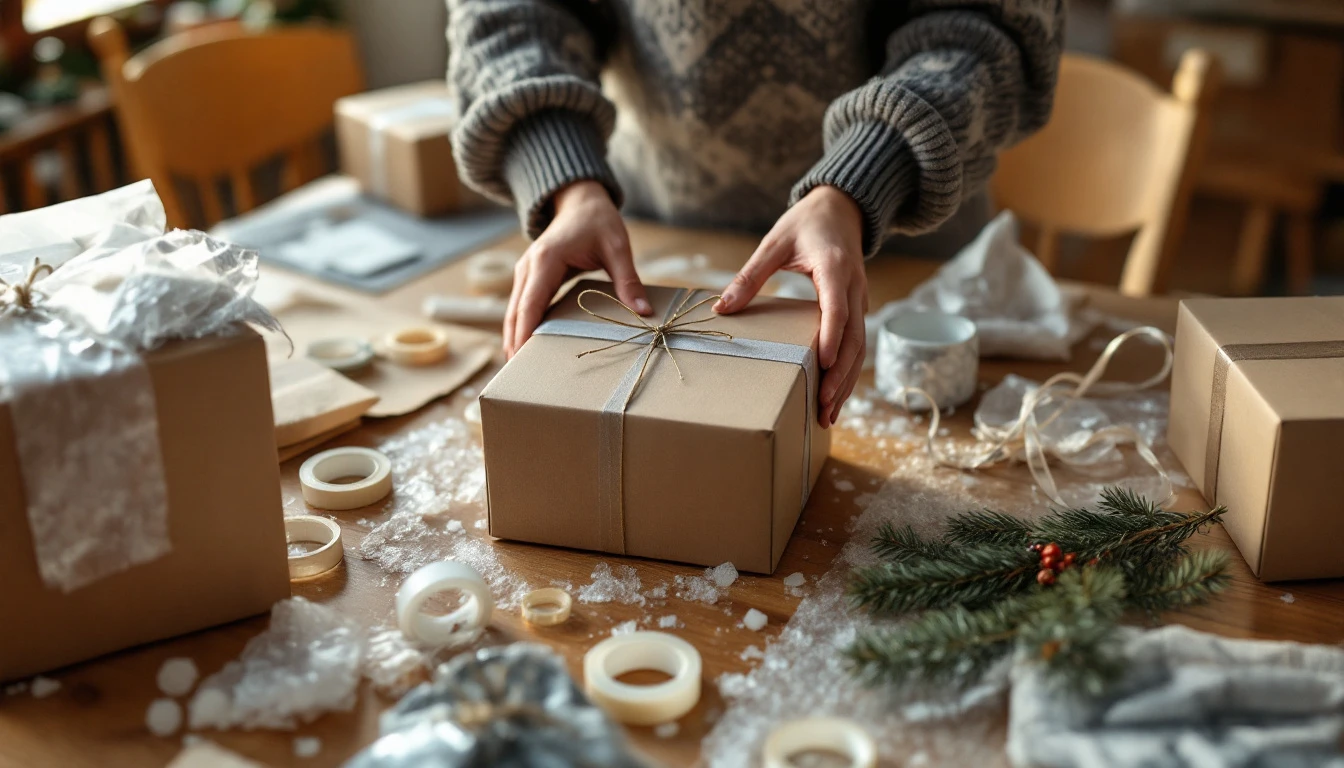
Why Fragile Gifts Fail in Transit
Every November, carrier networks absorb a volume surge that tests the limits of their handling standards. Package throughput doubles at regional sorting hubs, conveyor belts run faster, and temporary seasonal staff replaces experienced handlers. In this high-pressure environment, fragile items face compounding risks—dropped parcels, stacking weight, and mechanical sorting equipment that treats every box the same. A solid fragile gift packaging guide starts with understanding these realities and preparing your shipments accordingly.
The real damage, though, starts before the package leaves your facility. Industry claims data consistently points to packaging failure as the primary culprit. Poor cushioning and incorrect box selection account for the majority of damage claims across all major carriers. A wine glass wrapped in a single layer of bubble wrap inside an oversized box will shift during transit and arrive in pieces, no matter how carefully the driver handles it.
Holiday shoppers carry different expectations than off-season buyers. They're sending gifts to family, and damaged goods mean embarrassment and scrambling for replacements. Failures trigger immediate refund requests, chargebacks, and public reviews that live forever on your product pages. Peak season surcharges already compress margins—add in insurance gaps, replacement costs, and lost repeat business, and a few preventable breakages become a revenue problem that lingers into January.
Four Core Packaging Techniques for Your Fragile Gift Packaging Guide
Mastering four essential packaging techniques before November arrives gives your business the foundation to handle peak-season volume without damage spikes. These techniques work together to protect fragile items from the three most common causes of transit damage: impact shock, compression stress, and internal movement. Each technique addresses a specific vulnerability, and executing all four transforms a risky shipment into one that arrives intact.
Technique 1: Cushioning Materials and Their Fragile-Item Match
Different fragile items require different cushioning strategies. Glassware, ceramics, and porcelain need 2-3 inches of cushioning on all sides to absorb impact from drops and rough handling. Bubble wrap with half-inch bubbles provides the best shock absorption for these items—wrap each piece individually, then add a second layer if the item weighs more than two pounds.
Electronics and items with screens demand foam sheets or foam corners rather than bubble wrap alone, because foam distributes pressure evenly and prevents localized stress on delicate components. Kraft paper works well as void fill for lighter items like ornaments or small decorative pieces, but it compresses under weight and should never serve as primary cushioning for breakables traveling via ground shipping.
Technique 2: Box Construction Standards
Single-wall corrugated boxes fail under the stacking pressure common in November and December truck trailers. For fragile shipments over three pounds, double-wall corrugated boxes provide the compression resistance needed to prevent top-load crush damage. These boxes feature two layers of fluting and can withstand stacking pressure up to 65 pounds per square inch—essential when your package sits at the bottom of a delivery truck.
Edge reinforcement matters just as much as wall strength. Apply reinforced packing tape along all seams and corners, forming an H-pattern on top and bottom closures. Weight distribution inside the box prevents shifting: heavier items belong centered and low, with lighter cushioning materials filling upper space. A properly constructed box should pass the shake test—no rattling, no movement, no sound when you lift and gently jostle it.
Technique 3: Internal Bracing
Cushioning alone cannot prevent damage if items shift during transit. Rigid internal bracing locks fragile pieces in place and prevents collision damage inside the box. For stemware and vases, create suspension systems using crumpled kraft paper or air pillows that hold the item away from all six box walls. Corrugated dividers separate multiple pieces and prevent them from contacting each other—a single point of contact between two glass surfaces creates a fracture risk.
Electronics benefit from rigid support frames made from foam blocks or cardboard inserts custom-cut to fit snugly around the device. The goal is zero movement: the item should not shift even when the box is inverted or dropped from waist height. Build your bracing systems now, during lower-volume weeks, so your team can replicate them quickly when December volumes arrive.
Technique 4: Labeling and Carrier Instructions
Clear labeling provides handlers with the information they need to treat your package appropriately. Fragile labels belong on at least two sides—preferably the top and one vertical face—so they remain visible no matter how packages are stacked. Orientation labels showing "This Side Up" prevent inverting items like candles, snow globes, or anything with liquid components.
Handling notes communicate specific requirements: "Do Not Stack," "Keep Flat," or "Handle With Care" give warehouse workers and drivers actionable guidance. These labels work best when applied to contrasting surfaces—bright labels on brown boxes, bold text on white backgrounds—and when positioned above the address label where they catch attention first.

Cushioning Materials Selection
The right cushioning material acts as the first line of defense against impact damage during transit. Wrong choices—using kraft paper as primary protection for glass or skipping cushioning entirely—account for most preventable breakage when handling fragile gifts during peak season.
Bubble wrap remains the cost-effective standard for mid-range fragile items. Apply 1-2 inches of thickness for ceramic dishes, picture frames, and glassware. The air pockets absorb shock from drops and compression, and the price per square foot makes it practical for volume shipping. Wrap each item individually, then seal with tape to prevent unwrapping during transit.
Foam sheets and corner protectors deliver superior shock absorption for high-value or extremely fragile items like heirloom china, electronics, or hand-blown glass vases. Foam costs more per unit but prevents the catastrophic failures that trigger refunds and negative reviews.
Kraft paper and crinkle fill serve as secondary cushioning—lightweight, eco-friendly gap-fillers that prevent items from shifting inside boxes. Pairing bubble wrap with kraft-paper fill costs less than all-foam construction while maintaining protection. Never rely on paper alone for primary protection when packaging fragile items for shipping.

Box Construction Standards
The foundation of fragile gift protection starts with the right box. During peak season, when carriers process unprecedented volumes and handling becomes rougher, double-wall corrugated boxes are non-negotiable for fragile items. Single-wall construction collapses under stacking pressure in overloaded trucks and warehouses, leading to crushed contents and damage claims that eat into your margins.
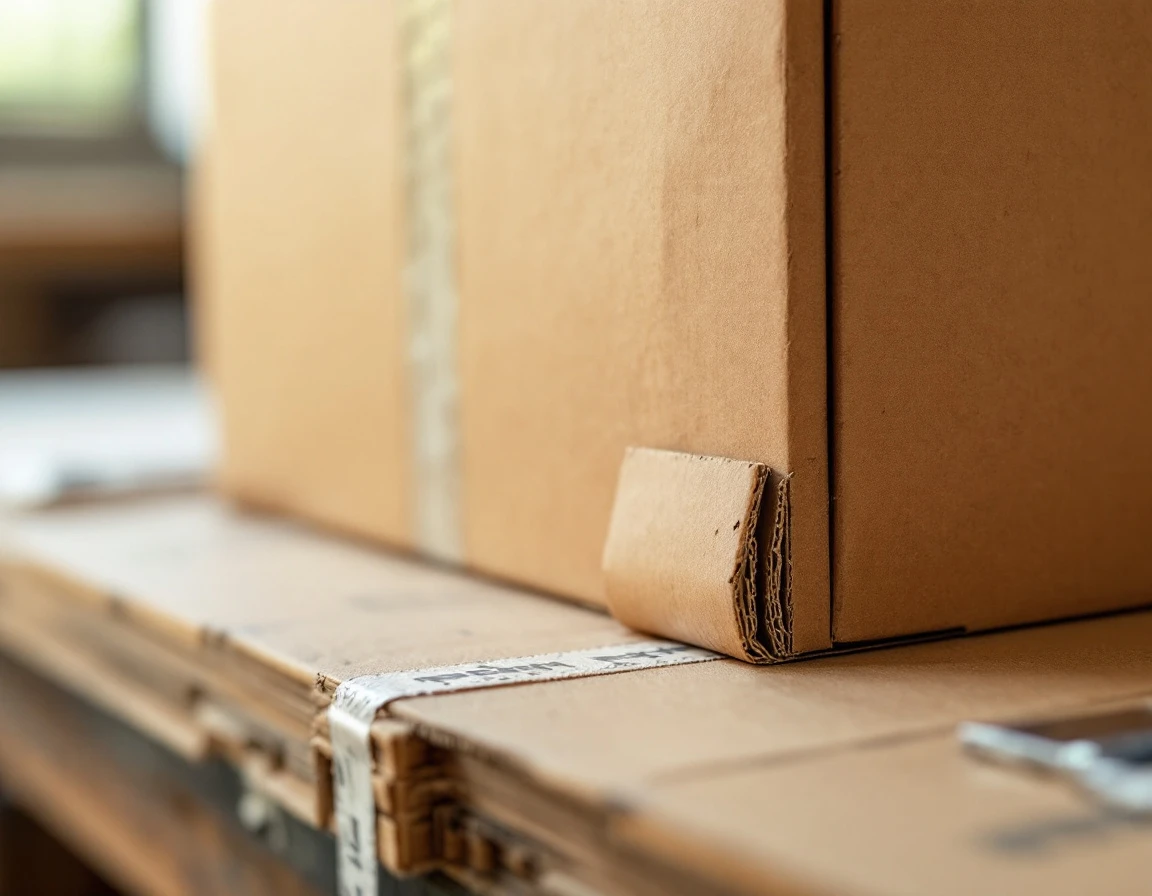
Once you've selected a double-wall box, proper taping technique prevents structural failure. The H-pattern taping method—sealing both the center seam and the edges where flaps meet—distributes load across the entire closure. Use gummed paper tape rather than standard plastic tape, as it bonds with the cardboard fibers and resists separation when boxes sit stacked under weight for days during transit delays.
Box sizing matters as much as construction quality. A box that's too large allows contents to shift and collide during handling, while an undersized box compresses items and creates stress points. Leave just enough space for cushioning material to prevent internal movement without forcing items into corners. Proper box selection and construction form your first line of defense against the realities of holiday shipping stress.
Box Selection by Item Type
The right box type isn't a judgment call—it's determined by the physical characteristics of what you're shipping. Electronics, glassware, fragile decor, and mixed items each demand specific box construction, sizing, and internal features. Retailers sourcing boxes for November shipping need proper fragile gift box selection tips now, before peak volume hits and lead times stretch.
Electronics require small boxes with rigid internal bracing and double-wall construction. Circuit boards, cameras, and smart home devices break from impact shock rather than compression, so the box must isolate the item from external strikes. Look for boxes with molded pulp inserts or corrugated bracing that locks the device in place. Cost per unit typically runs $1.50–$3.00 depending on insert complexity, but this prevents the $50–$200 replacement cost of a damaged tablet or speaker.
Glassware and ceramics need larger boxes that allow space for layering cushioning materials—bubble wrap on all sides, foam sheets between plates, and corner protection. Double-wall construction is non-negotiable because these items fail under both compression and impact. A 16" x 16" x 12" double-wall box costs $2.50–$4.00, but the extra volume protects margins on fragile inventory with high perceived value.
Fragile decor items—ornaments, figurines, candles with glass housings—work best in medium boxes with compartments or dividers. These prevent item-to-item contact during transit. Partition inserts cost $0.75–$1.50 per box but eliminate the most common damage scenario: multiple fragile items colliding inside a single package.
Mixed fragile items demand partition-based designs that isolate different material types. A box shipping both a ceramic mug and a glass picture frame needs a divider to prevent the heavier ceramic from crushing the glass. For fragile products, suitable internal support can help reduce movement during handling. Expect to pay $3.00–$5.00 per unit for quality partition boxes, but this investment protects customer satisfaction when shipping gift sets or bundled products.
Insurance Strategy for Peak Season
Perfect packaging protects your shipments, but insurance provides the financial safety net when the unexpected happens. USPS Priority Mail Express includes baseline coverage, with additional insurance available for fragile items—a cost-effective option for mid-range gifts. FedEx and UPS offer declared value coverage that scales with item value, making them worth evaluating for electronics, glassware, or high-end decor where replacement costs justify the premium.
Before filing any claim, understand this: proper packaging is a prerequisite for valid insurance claims. Carriers routinely deny claims when inadequate cushioning, single-wall boxes, or improper internal bracing contributed to damage. The documentation you create—photos of your packing process, cushioning layers, and sealed boxes—directly reduces denial rates when claims arise. These shipping fragile items insurance recommendations matter when defending your claims.
Insure based on item value and customer expectations. A modest candle set may not warrant additional coverage, but a premium ceramic serving platter does. Calculate the cost of refunding or replacing the item against the insurance premium to guide your decision.
November marks the deadline for negotiating volume-based rate agreements with carriers. If you're shipping hundreds of packages during the holiday surge, pre-negotiated rates on both shipping and insurance can protect your margin when every dollar counts. Contact carrier representatives now—before peak season demand limits their capacity to customize agreements.
Pre-Peak-Season Action Plan
Mastering the four packaging techniques means nothing if your team hasn't practiced them before the counter fills with holiday orders. Start your preparation now with a concrete timeline that turns knowledge into operational readiness.
The key to preventing fragile item damage is preparation before peak season hits: audit your current methods, source quality materials, train your staff, and set measurable goals.
- Audit your current methods this week. Review damage claim records from last season by item type—glassware, electronics, ceramics—and identify which products failed most often. This baseline tells you where to concentrate training and material upgrades.
- Source and test your box inventory before November 1st. Order double-wall corrugated boxes in the sizes your audit identified, test them with sample shipments, and establish backup suppliers in case your primary vendor runs low during peak volume. Waiting until mid-November leaves you scrambling when carriers are already overwhelmed.
- Train your staff with hands-on drills. Walk through proper packaging techniques for fragile gifts with actual fragile items, covering cushioning selection, H-pattern taping, internal bracing, and labeling. Practice builds muscle memory that holds up when the line is six customers deep.
- Set a measurable goal. Track damage claims month-over-month after implementation. If you handled fifty claims in November last year, aim to cut that number by targeting the failure patterns your audit revealed. For additional support in managing your peak season workflow, consider a pack-and-ship POS system that integrates shipping, inventory, and claims tracking into one platform.