

App Fragmentation Cost Reality
Independent retailers often find themselves managing five to eight different platforms just to run daily operations—a shipping app. A POS system. A label printer interface, accounting software, inventory tracking, and more. This fragmentation comes with a steep price tag: $500 to $1,500 per month in overlapping subscription fees. With many features duplicated across systems that don't talk to each other.
The financial drain extends beyond software costs. Staff spend 10 to 15 hours each month retraining on different interfaces. Toggling between systems during checkout, and manually reconciling data. This context-switching increases checkout errors by 25 to 35 percent, frustrating customers and creating reconciliation headaches at day's end.
Fragmented data creates dangerous blind spots. When inventory counts live in one system, sales data in another, and shipping records in a third, retailers lose visibility. This disconnect leads to 8 to 15 percent revenue loss through stockouts on popular items or cash tied up in excess inventory that sits unsold.
November exposes these inefficiencies most painfully. Peak season demands fast checkouts, accurate inventory counts, and reliable fulfillment. Fragmented systems turn routine tasks into bottlenecks—slower transactions, delayed shipments, and frustrated customers who take their business elsewhere.
Unified Platform Architecture
ParcelPuffin replaces five separate workflows with a single integrated system. One login gives you access to point-of-sale transactions, shipping label creation, print job management, inventory tracking, and financial reporting—all from the same dashboard. No more toggling between apps or reconciling data across disconnected systems.
Real-time data sync connects every operation. When a customer buys an item at the counter, the POS transaction immediately updates your shipping inventory and triggers the print queue if fulfillment is needed. A shipping label printed for a mailbox customer automatically adjusts package counts and updates your daily revenue report. This architecture eliminates manual re-entry and the errors that come with it.
The mobile-first design supports one-app training. New staff learn a single interface that handles checkout, label printing, and inventory lookups. Most employees reach full proficiency within days rather than spending weeks learning separate systems for each task.

Fragmented vs. Unified: Workflow Comparison
Picture a typical Tuesday afternoon sale: a customer orders custom business cards and requests overnight shipping. In a fragmented environment, your cashier rings up the sale in your POS, manually re-enters the shipping details into a separate carrier software, then logs into a third system to queue the print job. Each handoff creates an opportunity for typos, address errors, or missed specifications. Staff members spend mental energy remembering which system holds which data, and reconciling discrepancies eats up another four to six hours per person each week.
The unified workflow tells a different story. That same transaction flows automatically from point of sale through inventory adjustment, print queue, shipping label generation, and daily reporting—without a single re-entry. Your team member scans the order, and ParcelPuffin routes the job to the correct printer, pulls real-time carrier rates, prints the label, and updates your stock count. Staff attention stays on the customer, not on toggling between browser tabs.
Cost-Benefit Snapshot: Consolidation eliminates $500–$1,500 in monthly subscription fees across redundant tools. Reclaimed staff hours—previously spent on data reconciliation—redirect toward customer service and upselling. Fulfillment accuracy improves because order details travel intact from checkout to carrier pickup.
This matters especially heading into Q4. A unified commerce platform handles peak November and December volume with your existing team. You won't need temporary hires to manage the chaos of disconnected systems, because the system itself absorbs the complexity.
Savings Calculator & ROI
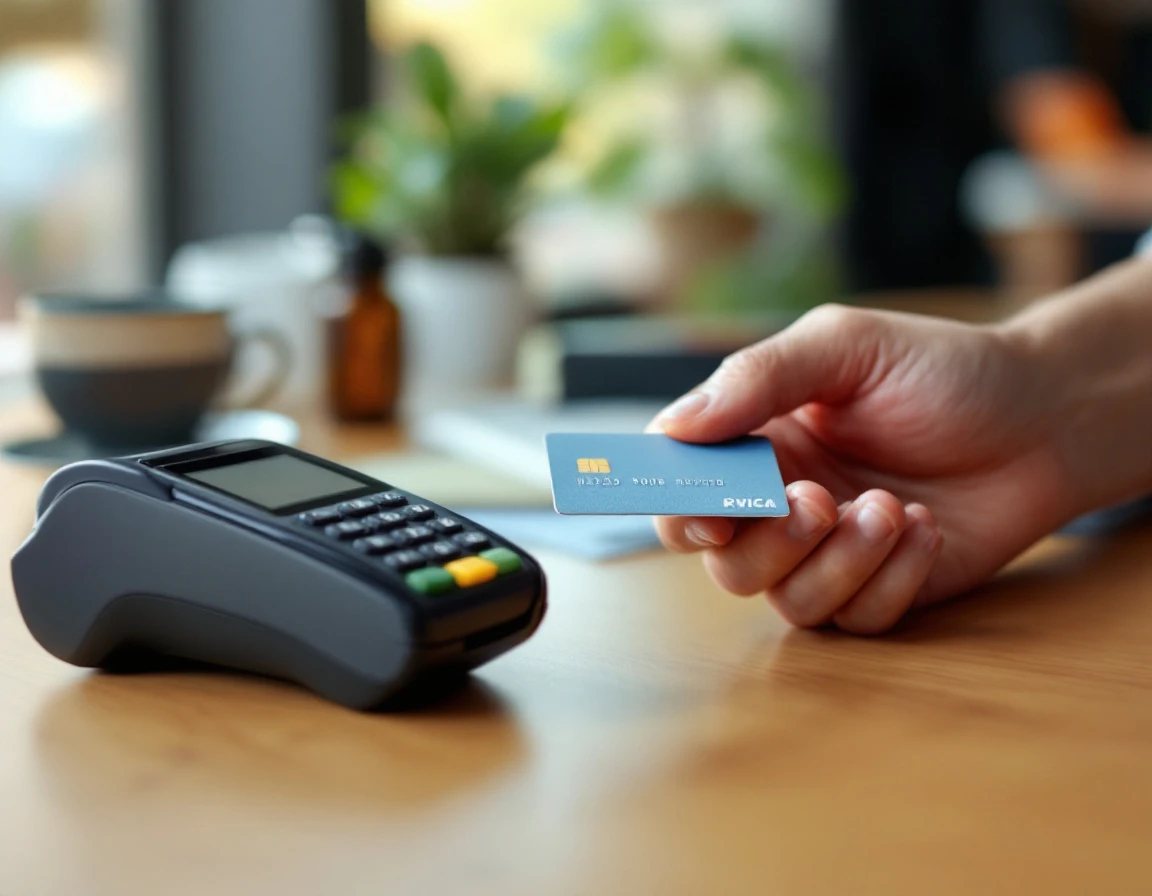
For a typical three-location operation, the numbers stack up quickly. Most independent retailers pay $1,200–$1,500 per month for five or more separate subscriptions covering POS, shipping software, label design, inventory management, and business reporting. ParcelPuffin replaces that fragmented stack for $300–$500 monthly. Delivering $700–$1,200 in immediate subscription savings.
Beyond software costs, staff time recovery makes a measurable impact. When employees stop toggling between systems and re-entering data, stores reclaim 20–30 hours per person each month. For a three-location chain, that's roughly one full-time equivalent freed to focus on customer service or fulfillment rather than software babysitting.
Better inventory accuracy also protects margins. Real-time visibility across locations cuts shrinkage and stockouts measurably, adding $2,000–$5,000 monthly to the bottom line. Most retailers see full payback within two to three months—making pre-November implementation ideal for capturing Q4 efficiency gains when every hour and every dollar counts.
Employee Training & Adoption
Training new hires on five separate systems—POS, shipping software, label printers, inventory tools, and reporting dashboards—stretches onboarding from three to four weeks. Each platform has its own login, workflow, and quirks. ParcelPuffin collapses that timeline to three to five days by teaching one unified system, which matters when November hiring windows are tight.
Lower cognitive load translates directly to fewer checkout errors. Staff juggling multiple interfaces make mistakes: wrong carrier selections, duplicate entries, mispriced custom orders. A single dashboard reduces those friction points, cutting customer complaints and improving staff confidence during peak-season rushes when turnover risk climbs.
ParcelPuffin's mobile POS lets part-time holiday staff handle both counter sales and shipping from day one. Cross-training happens faster, giving managers scheduling flexibility when call-outs spike and walk-in traffic swells.
Pre-Holiday Implementation Checklist
Making the switch to a unified platform before November doesn't require months of downtime. Most independent retailers can complete a full cutover in six weeks, putting the system in place just as peak shipping season begins.
- Weeks 1–2: Start with a data audit. Export your inventory catalog, customer records, transaction history, and service pricing from your legacy POS, shipping software, and print management tools. Clean up duplicate SKUs and outdated customer entries now — migrating bad data wastes time later. ParcelPuffin's import templates map fields from most common systems, so you're not starting from scratch.
- Weeks 3–4: Configure your store settings, payment processors, and carrier accounts inside ParcelPuffin. Train your core staff on the POS workflow, shipping label module, and print job intake. Because everything shares one interface, most employees pick up the basics in a single shift.
- Week 5: Run both systems in parallel for three to five business days. Ring up sales on ParcelPuffin while keeping your old system active as a safety net. Compare transaction totals, inventory counts, and shipping manifests daily. If discrepancies appear, pause and troubleshoot before cutover.
- Week 6 (early November): Shut down legacy apps and go live. Monitor checkout times, label printing, and end-of-day reports closely for the first week. Keep your implementation checklist handy so you can roll back quickly if critical functions fail — though most retailers find the transition smoother than expected because training was already complete.
Next Steps & Demo
If you're ready to cut operational costs and reduce the employee retraining burden, now is the time to request a demo. Our team will show you how ParcelPuffin consolidates your specific apps into one platform and walk through the data migration plan and training timeline customized to your store.
Implementing before November means your staff will be confident with the system and your operations will be stable when peak Q4 volume arrives. That preparation translates directly into fewer checkout errors, faster fulfillment, and the capacity to handle holiday season demand without adding temporary hires.
Request a demo today to see how it works for your store, discuss your go-live timeline with our success team, and get a pricing quote that confirms feasibility before the holiday rush begins.