
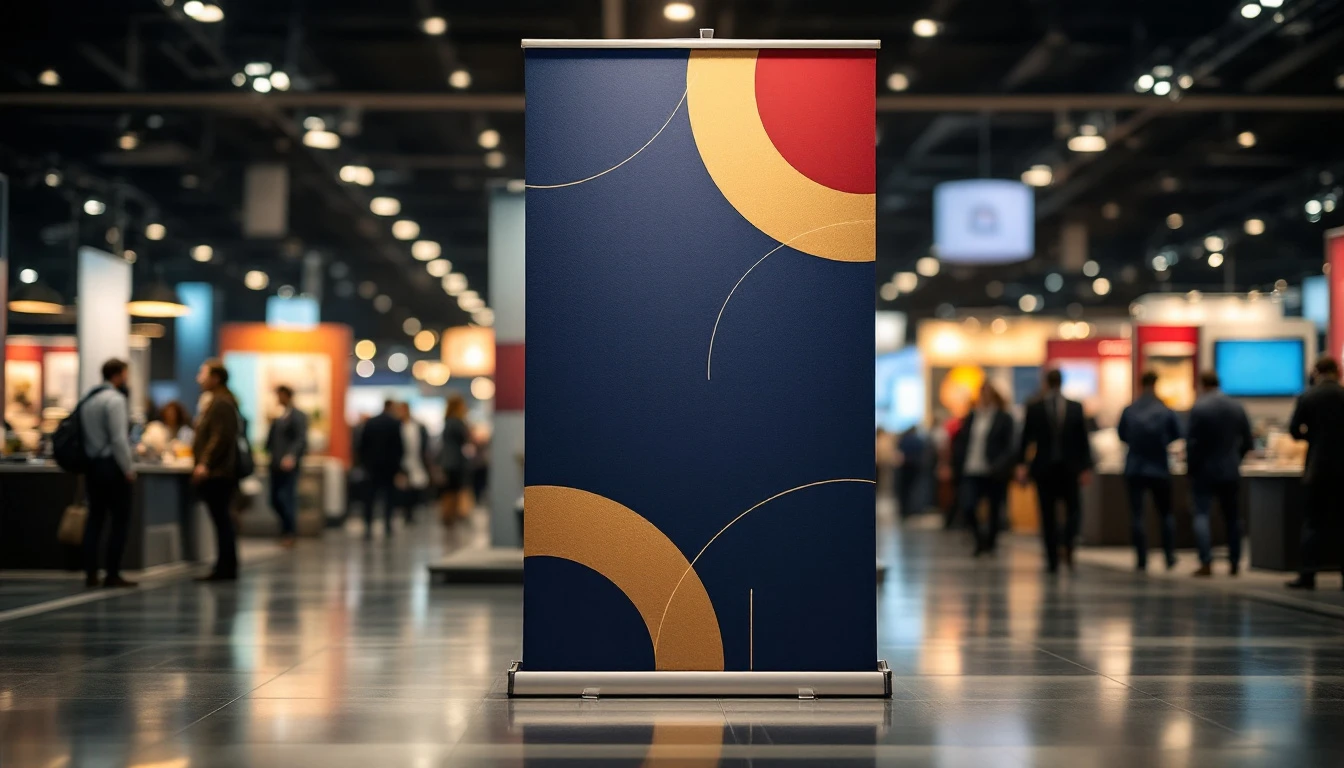
Why Fall Shows Demand Professional Print Materials
Trade show attendees scan hundreds of booths across crowded convention floors, making split-second decisions about where to stop. Professional banners and display materials capture attention and communicate credibility instantly, separating serious exhibitors from businesses using homemade signage.
September marks the launch of peak trade
September is the planning and production window for the busiest stretch of trade show activity. October and November host the majority of industry conferences and conventions, which means exhibitors who wait until fall to order display materials often face rushed timelines, limited vendor availability, and compromised print quality. Starting your production process now allows time for proofing, color correction, and shipping without last-minute stress.
Businesses that invest in professional printing services for banners, posters, and booth displays consistently attract more foot traffic and generate higher-quality leads than those relying on generic online templates or DIY solutions. Professional designs account for lighting conditions, viewing distances, and brand consistency—factors that directly influence whether attendees stop at your booth or walk past it.
Professional printing signals brand credibility
High-quality banners and display materials create an immediate visual advantage on crowded show floors, where hundreds of exhibitors compete for attention. Professional printing separates established brands from amateur setups. Signaling to attendees that your business invests in quality and pays attention to details. That visual credibility translates directly into more booth visits and longer conversations with qualified prospects.
Ordering materials in early September protects exhibitors from rush fees and production delays that spike as October trade shows approach. Print shops face capacity constraints during peak season, and last-minute orders often compromise on material quality or force exhibitors to accept whatever turnaround slots remain available.
Material ROI Comparison: Banners, Posters, Signage
When you're allocating your trade show budget, understanding which print materials deliver the strongest return helps you invest wisely. Large-format banners consistently generate the highest engagement at booth entry points, drawing attendees from across the convention floor. Their vertical scale and professional graphics create visual landmarks that cut through the visual noise of competing exhibitors. A technology firm preparing for October trade shows reported that upgrading from a generic fabric backdrop to a professionally printed retractable banner system doubled their booth traffic compared to the previous year's events.
Custom posters and countertop signage drive lead capture and product differentiation once visitors step inside your booth. These materials communicate specific value propositions, feature comparisons, and calls to action at decision-making moments. A healthcare software company used professionally printed poster panels highlighting compliance features and integration capabilities, which improved their qualified lead conversion rate by allowing sales teams to focus conversations on prospect needs rather than explaining basic product details.
Material quality directly correlates with perceived brand value and the caliber of leads you attract. Visitors make snap judgments about your company's professionalism based on print clarity, color accuracy, and substrate weight. Prospects evaluating vendors for high-value contracts respond more positively to exhibitors whose materials reflect production standards they'd expect from a reliable partner.
Bulk printing economies reduce per-unit cost when you order materials for multiple fall events at once. Print shops typically offer volume pricing tiers, so ordering banner sets, poster series, and directional signage together in September costs less per piece than ordering for individual shows throughout the season. This approach also guarantees color consistency across your entire fall campaign, reinforcing brand recognition as you move from venue to venue through November.
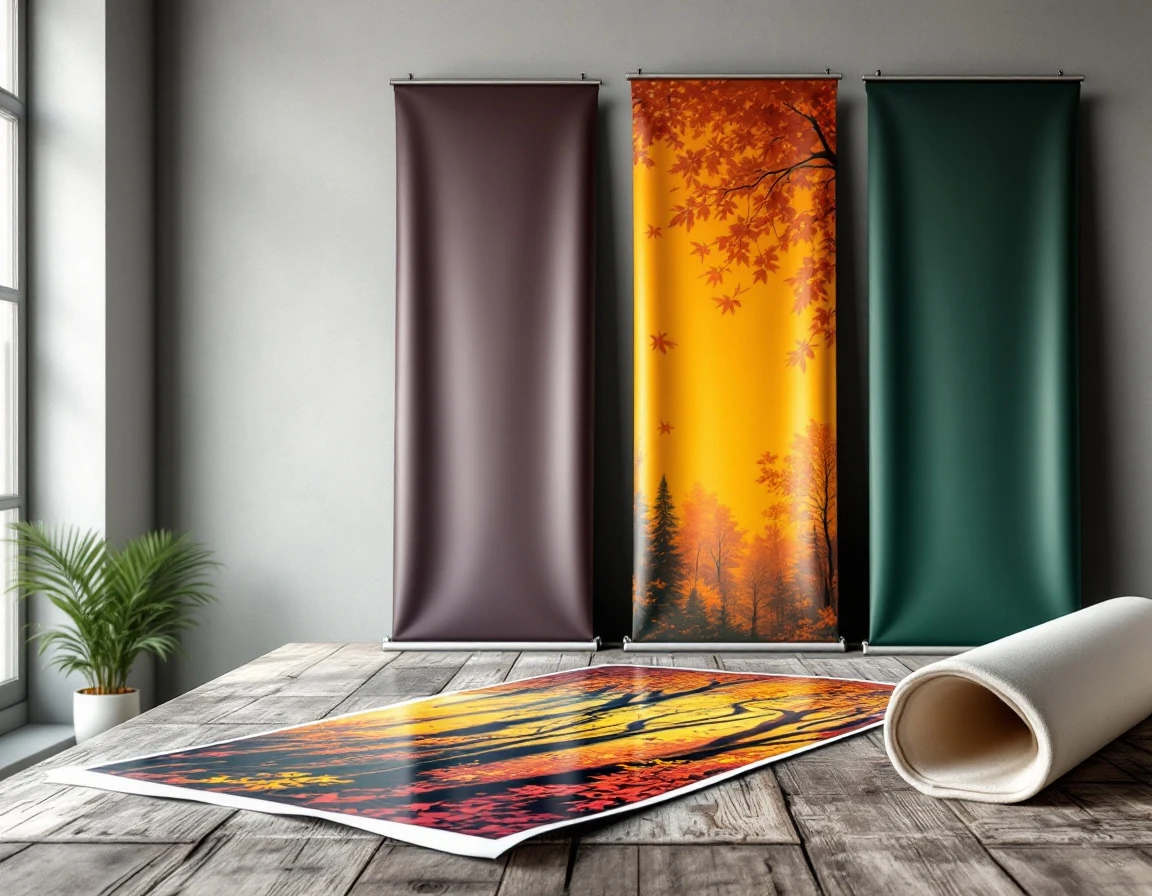
September Ordering: Production Timelines and Rush
Ordering trade show materials in early September gives you the cleanest path to October events without paying premium rush fees. Standard production windows run 5–10 business days for most banners, posters, and display graphics. When you place orders in the first half of September, materials arrive with time to spare for early October shows, and you pay baseline rates without expedited fees.
Wait until mid-September or later, and you enter rush territory. Rush orders incur 20–40% premium fees as printers prioritize your job over standard queue work. Those premiums add up fast on multi-piece orders. Beyond cost, late-September orders compete with peak October show volume, creating production delays and carrier congestion that compound into missed setup windows.
September is the sweet spot: printers have capacity, carriers move packages predictably, and you avoid the bottlenecks that hit once October show season launches in full force. Locking in orders early also protects against material shortages or equipment downtime that can extend lead times when shops are stretched thin.
Use this simple checklist to stay on track for September ordering: finalize your design by the first week. Allowing time to refine messaging and visuals without scrambling. Review and approve proofs within 24–48 hours once the printer sends them—delayed proof approvals eat into production time. Place your order by mid-September at the latest to guarantee standard pricing and delivery before your first October event. Planning backward from your show date keeps you ahead of the rush and your budget intact.
Design and Customization: Differentiation Strategy
Generic templates blend into the background at crowded convention centers. Custom graphics and branded design cut through visual noise, drawing attendees to your booth instead of your competitor's. When dozens of exhibitors compete for attention in the same hall, professional design transforms display materials from functional signage into brand ambassadors that reinforce your messaging, color palette, and unique value proposition.
Professional designers maintain every banner, poster, and display panel aligns with your established brand identity. This consistency builds instant recognition and credibility—attendees register your booth as polished and authoritative before reading a single word. Modular design systems add flexibility: variable graphics allow you to customize materials for different product lines, booth sections, or audience segments without starting from scratch for each show.
Design quality directly impacts lead conversion. A well-designed booth conveys professionalism and market presence, encouraging qualified prospects to stop and engage. The investment in custom graphics pays dividends when attendees remember your brand days after the event, distinguishing you from exhibitors who relied on stock templates or DIY tools.
Design revisions and approval cycles must complete by early September to meet production deadlines. Final files need sign-off before printers can begin output, and late design changes delay the entire production schedule. Lock down your creative direction now so materials arrive in time for setup, protecting both your timeline and budget.

Measuring Impact: Lead Capture and Booth Metrics
Without clear measurement, you can't prove that your September printing investment paid off. Start by tracking booth traffic volume during the show—use a simple counter or ask team members to log conversations hourly. This baseline tells you whether your banners and displays are pulling people in off the aisle.
Lead quality matters more than raw visitor count. Collect contact information consistently, then track how those leads move through your sales pipeline. Measure the lead-to-conversion ratio and compare deal sizes from this show to previous events where you used generic materials. Professional printing typically correlates with higher-quality conversations. Because prospects who stop at well-designed booths tend to be more engaged and further along in their buying process.
Calculate cost-per-qualified-lead by dividing your total printing and show investment by the number of leads that enter your pipeline with realistic purchase intent. This metric reveals whether your professional materials delivered better ROI than DIY alternatives. Post-show, schedule a debrief within two weeks while details are fresh—review which graphics drew the most attention, which messaging resonated, and where visitors seemed confused or disengaged.
Document these findings for next season's budget planning. The decisions you made back in September about banner size, poster placement, and design quality now have measurable outcomes that should inform your next trade show cycle.
Next Steps: September Planning for October
With October trade shows now weeks away, September is the month to finalize decisions and lock in production timelines. Start by auditing which fall shows your business will attend. Confirm booth sizes, locations, and any venue-specific display requirements that may affect material dimensions or mounting hardware. This clarity prevents last-minute design changes that delay production.
Next, design and finalize your materials by mid-September. Standard production timelines for banners, posters, and large-format displays typically require two to three weeks from final proof approval to delivery. Building in a buffer for shipping and on-site setup means you're never scrambling at the loading dock. Work with designers who understand trade show environments—viewing distance, lighting conditions, and competitive visual noise all influence what works on the show floor versus what looks good on a computer screen.
Partner with professional printing vendors experienced in trade show turnaround timelines. These vendors understand color accuracy, material durability, and finishing options that hold up under multi-day show conditions. Ask about their proof approval process, rush capacity, and delivery tracking to avoid surprises.
Finally, build your post-show lead follow-up process now, before the first show begins. Professional materials drive booth traffic and capture contact information, but ROI depends on converting those leads. Map out your email sequences, sales team handoffs, and timeline for initial outreach. The investment in quality printing pays off when leads turn into contracts.
Ready to see how professional printing services fit into your trade show strategy? Explore ParcelPuffin's printing features or schedule a demo to discuss your fall show calendar and material requirements.