

October-December Churn Risk
Holiday shipping volume creates both opportunity and vulnerability for pack-and-ship stores during Q4.
Pack-and-ship stores experience massive Q4 volume
The October-to-December rush brings a flood of walk-in customers, but many stores watch those holiday shoppers disappear once January arrives. Peak season's operational intensity—processing packages quickly, managing long lines—often leaves little room for relationship building, making post-holiday churn nearly inevitable. Without the chance to connect during the busiest months, retailers struggle to retain customers into the new year.
Competing with national chains
National franchises have brand recognition and marketing budgets, but independent pack-and-ship stores hold one decisive advantage: the ability to turn seasonal customers into repeat business. When you fail to convert holiday shippers into year-round clients, you lose 30–50% of their lifetime value—handing that revenue to competitors with stronger retention systems.
Personalization Systems for Loyalty
Your POS already captures the data you need to personalize service—no expensive CRM required. Every transaction records what each customer ships, where it's going, and which services they prefer. The stores that turn this data into action see repeat business climb because customers feel recognized and valued.
Start by segmenting customers directly in your POS: international shippers versus domestic, overnight users versus ground, printing regulars versus occasional package senders. A customer who ships to Mexico every quarter should receive a reminder email two weeks before their typical window, complete with an international duty calculator link and carrier rate comparisons. Someone who always chooses overnight service might appreciate a heads-up when express rates drop during non-peak periods.
Transaction follow-ups work best when they reference specific patterns. "Your last international package took eight days—try express next time" signals that you remember their history and care about their experience. This kind of targeted communication builds repeat business by removing friction from decision-making, turning one-time buyers into loyal customers who return again and again.
Use customer shipping frequency and total spend to identify high-value repeat customers. Reserve counter time for them during peak season, offer expedited pricing, or provide VIP service when the lobby fills up. Personalization doesn't require complex software—it requires remembering details and acting on them.
Surprise-and-Delight Touchpoints
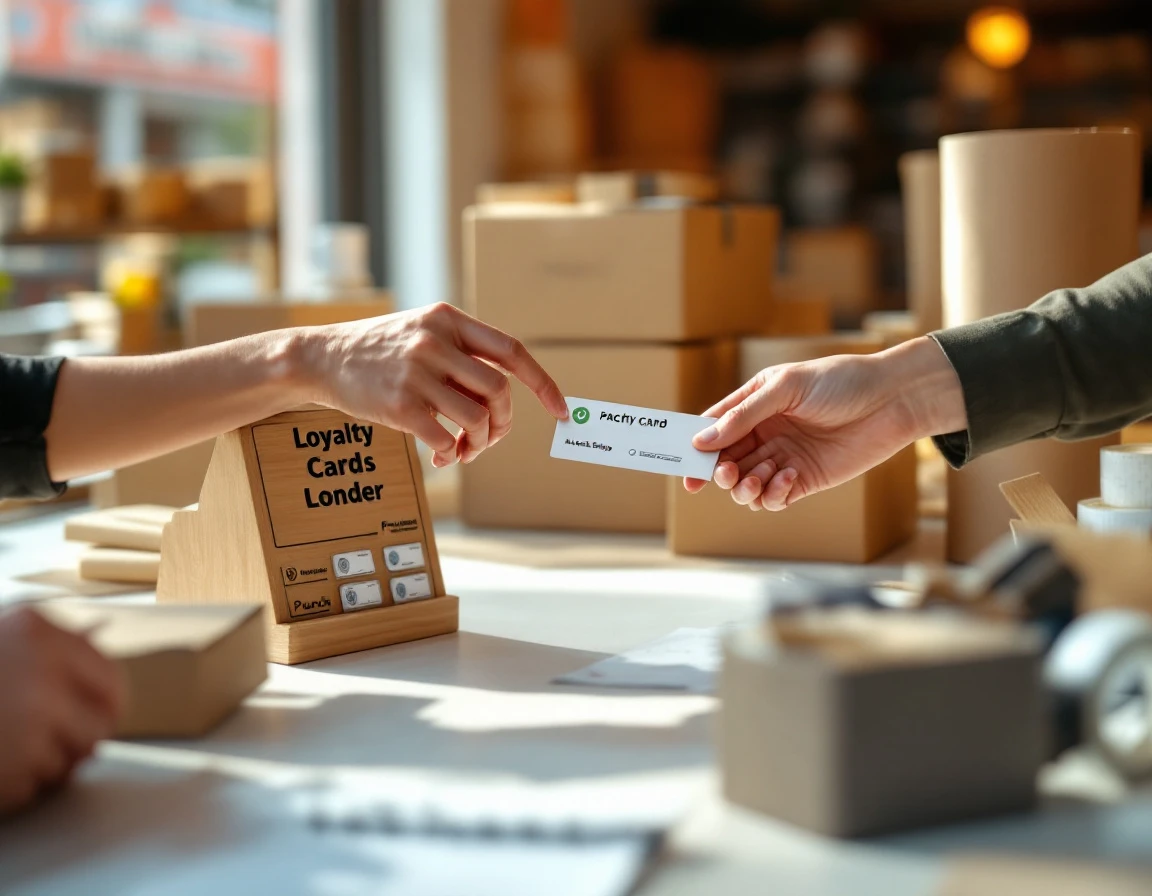
Surprise-and-delight gestures are small, unexpected rewards that create positive emotional associations with your store and spark word-of-mouth referrals. Independent pack-and-ship operators can differentiate from national chains through human-touch moments that feel personalized and genuine. These gestures take less than two minutes per customer but signal appreciation in ways that build lasting loyalty.
A free box upgrade for a repeat customer shipping fragile items. A handwritten holiday card tucked into the receipt in mid-November. Complimentary gift-wrap consultation for someone juggling multiple packages. Free tissue paper inserts or custom stickers with your store logo for customers shipping three or more times in Q4. These low-cost tactics distributed throughout October, November, and early December maintain engagement through the shipping peak when customers are most receptive to gift-giving sentiment.
Document these interactions in your POS system so staff can reference them at the next visit: "We remembered you loved that upgraded box last time—here's another on us." Surprise rewards trigger reciprocity—customers who feel valued return and spend more in subsequent years, raising both NPS and retention rates.
Exclusive Pre-Holiday
October is the month to capture contact information and convert early movers into loyal customers. Launch a tiered loyalty program tied to fall shipping behavior: offer $5 off the next shipment for customers with two or more visits in the past 90 days, and $10 off for top-quartile shippers. Collect email addresses and phone numbers during sign-up, then use that data to deliver personalized promotions as demand peaks in November and December.
Create urgency with an October 31 deadline for exclusive "Early Shipper" discounts—for example, reduced international shipping costs for orders placed before Halloween. This pulls holiday volume forward, eases your December workload, and helps you identify which customers are price-sensitive versus convenience-driven. Use these insights to refine messaging and pricing for future campaigns.
Bundle offers to expand service adoption: combine shipping with custom label printing at a 20% discount to increase basket value and introduce customers to multiple revenue streams. Communicate these offers through email, text, and in-store signage. Configure your POS system to automatically apply discounts at checkout based on customer history, eliminating manual lookups and reducing staff workload during busy periods. Structured, segment-based offers can increase repeat transaction frequency throughout Q4 and establish habit patterns that carry into the new year.

Community Events and Touchpoints
In-person events convert your pack-and-ship store from a transactional service point into a local shipping hub that customers value and return to. Customers who attend events develop stronger repeat transaction patterns than transaction-only customers, and the contact data gathered—email signups, survey responses—feeds directly into personalization and future offers.
Run these key events throughout Q4:
- October shipping prep workshops: 30-minute free sessions teaching domestic versus international rates, dimensional weight pricing. And packaging tips for seasonal gifts. These capture early planners and position your store as the expert resource before the holiday rush.
- November Loyalty Appreciation Days during peak engagement. Offer extended hours, complimentary gift-wrap consultations, or refer-a-friend bonuses (10% off for both referrer and new customer). Create an in-store holiday shipping checklist poster with a QR code linking to carrier tracking, insurance options, and customs forms—a free resource that builds trust.
- Post-holiday follow-up event in early January: a Thank You celebration with refreshments and a customer feedback survey. This live or digital touchpoint identifies churn signals before they convert into lost customers and gathers retention insights that shape next year's calendar.

Measurement and Q1 Retention Roadmap
Retention doesn't end with a December transaction. The goal is to identify which seasonal customers show repeat intent and nurture them through the January-March slowdown when volume typically drops. Start by tracking your repeat customer rate—the percentage of November-December volume from customers with two or more Q4 visits. This single metric reveals whether your loyalty initiatives are converting one-time shippers into repeat visitors.
Measure email and SMS open rates plus offer redemption rates by segment to optimize pre-holiday promotion timing for next year. If bundled rate emails sent two weeks before Thanksgiving outperform those sent one week prior, adjust next October's calendar accordingly. Conduct a simple January survey asking two questions: "Will you ship with us again next year?" and "What could we improve?" Capture responses in POS notes for follow-up.
Convert December's top 20% repeat customers into VIP shippers with a dedicated retention plan: quarterly check-ins, sneak peeks at new services, and exclusive rate previews. If 60% of surveyed customers cite competitive pricing as their top reason to return, prioritize bundled rate offers next October. If convenience ranks higher, invest in expanded hours and expedited checkout. Each Q4 cycle should teach you how to personalize better for the next cohort.