

USPS Capacity Crisis: Summer 2026 Reality
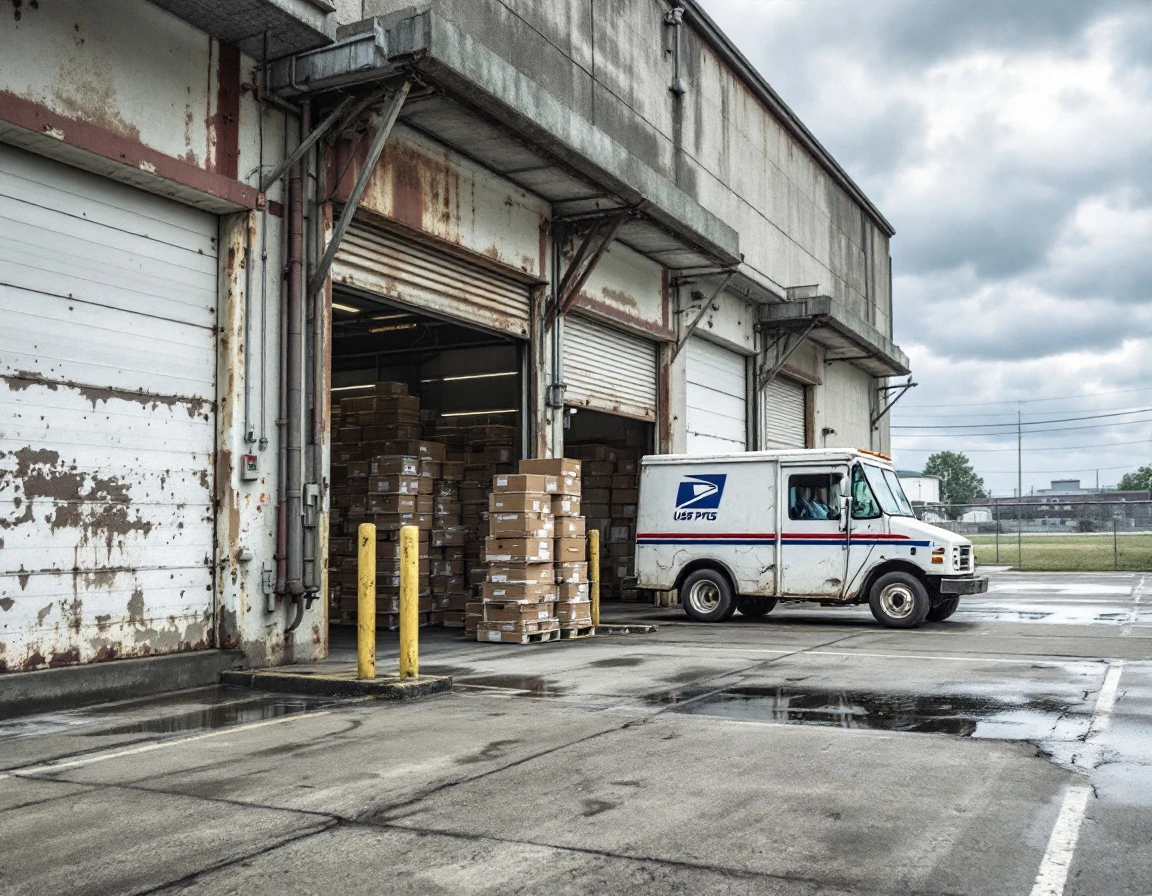
July 2026 has exposed severe operational limits at USPS as peak summer shipping volume overwhelms processing infrastructure. Ground packages now spend 5-7 days longer in transit than they did before 2026, with delays concentrated at regional sorting facilities that lack capacity for current volume. Small business shippers and e-commerce sellers face the worst service impacts, as USPS priority mail and retail ground shipments fall behind commercial bulk contract deliveries. For many businesses, these failures have sparked interest in finding an alternative to USPS shipping that delivers better reliability.
These processing delays coincide with January's rate increases. Creating a perfect storm of higher costs and lower reliability.
Customers who paid more for shipping in 2026 now receive slower service than previous years.For small businesses managing customer expectations around delivery dates, this gap between promised service and actual performance creates daily operational friction that erodes trust and increases support requests.
Independent Shipping Retailers vs USPS
Independent shipping retailers process and hand off packages to carriers within the same business day, skipping the multi-facility sorting delays that slow USPS ground shipments. A package dropped at a local retailer by 7pm on Thursday typically enters the carrier network Friday morning. The same package deposited at USPS Friday morning may sit in a regional facility over the weekend before entering active transit.
Extended evening and weekend hours solve the availability problem for business shippers. Owners shipping five or more packages weekly can't always break away during standard postal hours. Local stores offering intake until 8pm or Saturday service capture this demand while USPS locations close by 5pm on weekdays.
Personalized intake catches errors before they become costly. Staff trained in dimensional weight pricing review packages at the counter, preventing carrier surcharges that arrive weeks later as billing adjustments. Direct carrier relationships enable stores to negotiate expedited service priority and rate improvements that individual shippers cannot access alone.

Local Shipping Store Advantages and Integrated Solutions
Independent retailers solve vendor fragmentation by housing mailbox services. Printing, and shipping under one roof. A small business owner walks in once to ship packages, print business cards, and renew a mailbox rental instead of coordinating three separate vendors across town.
This consolidation creates unified customer profiles that enable personalized service recommendations. When a store knows a customer ships internationally each month and uses notary services quarterly, staff can proactively suggest customs form printing or package consolidation options that save time and money.
Single points of contact eliminate coordination friction for multi-service needs. Customers access packaging materials, custom labeling, and branded shipping supplies on-site without waiting for external vendors. Bundled pricing structures reward multi-service customers with package discounts that USPS cannot offer, creating stickiness through operational convenience rather than carrier contracts alone.
How to Find and Evaluate Local Shipping Alternatives
Start by searching for independent shipping retailers within a five-mile radius of your business or home. Call ahead to confirm they offer access to the carriers you need — USPS, UPS, and FedEx partnerships indicate full-service capability. Ask about rate comparison tools at the counter. As stores using modern POS systems can quote multiple carriers instantly.
Verify their hours match your schedule, particularly if you ship after typical postal closings. Request a printed quote for a typical package to compare their rates against USPS baseline pricing. Including any packaging or printing fees.
Test the relationship with two or three pilot shipments before switching your regular volume.
Track processing time from counter drop-off to carrier scan, and note whether staff proactively suggest cost-saving packaging options or dimensional weight adjustments that reduce your per-package costs.