

UPS Network Optimization Shipping Rates: 2026 Restructuring Overview
UPS is rolling out a major network restructuring in Q3–Q4 2026, consolidating regional hubs to reduce package handling steps and improve delivery speed. The goal is operational efficiency: fewer touchpoints mean lower costs for UPS and faster transit times. But the timing matters for pack-and-ship retailers—these changes take effect just before the peak holiday season, when volume spikes and every delivery promise counts. Understanding UPS network optimization shipping rates now helps you anticipate cost shifts and adjust your pricing strategy before peak season arrives.
The consolidation affects ground, next-day, and 2-day services. Altering how packages route through the UPS network. As hubs close or merge, zone-based pricing recalibrates—what was once a nearby sort facility may now route through a hub two states over. Transit times shift, and the zones that determine your shipping costs change along with them.
Understanding the scope now helps you reprice services and adjust customer delivery windows before September–December volume hits. Waiting until peak season to react leaves you absorbing unexpected costs or missing promised delivery dates.
How UPS Network Changes Pack and Ship Store Costs
UPS's network restructuring will shift costs across service tiers in ways that vary by route, package profile, and destination zone. As hubs consolidate and routing changes, the zones used to calculate ground shipping rates may be reclassified—meaning a package from Ohio to California might move through fewer facilities but cross more zone boundaries, potentially raising base rates even as transit times hold steady or improve.
Dimensional weight pricing becomes more complex when transit times change. A faster ground route can push marginal packages—those close to the dimensional weight threshold—into a higher billable weight category if the carrier adjusts its pricing bands. For next-day shipments within a region, improved routing could lower zone assignments and reduce costs, but expect fuel surcharges and accessorial fees to be recalibrated during the rollout to offset operational investments.
The cost impact depends on where you ship from and to. High-volume routes between major metros may see rate decreases as efficiency improves, while rural or secondary markets could face surcharges as service becomes less direct. Package size and weight matter: compact, heavy items benefit from zone changes, while oversized or lightweight shipments face greater dimensional weight exposure. Review your dimensional weight calculations and fuel surcharge schedules now to model these shifts before peak season.
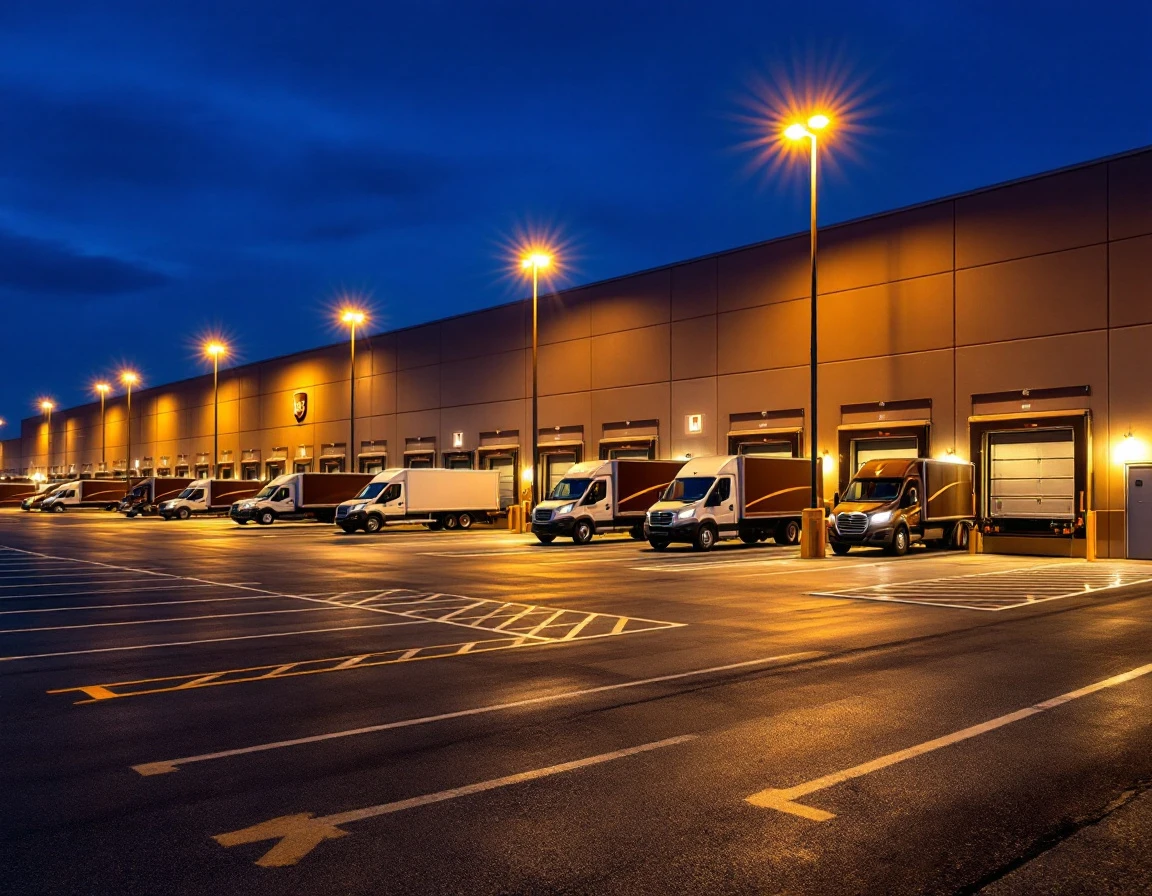
Service Reliability and Transit Time Changes
UPS's hub consolidation brings potential reliability improvements in some regions by reducing the number of handling steps a package passes through. Fewer touchpoints typically mean fewer opportunities for delays or misroutes. However, the transition period during Q3 and Q4 2026 introduces operational uncertainty that pack-and-ship retailers must plan around. How UPS optimization affects shipping costs and reliability goes hand-in-hand during this restructuring phase.
Transit times will shift based on package origin and destination. A shipment that previously routed through two regional hubs may now travel through one, potentially arriving a day earlier. Conversely, packages in markets where UPS closed a nearby facility may experience longer ground transit as routes extend. These changes vary by lane, making it difficult to predict performance across your full customer base.
The timing creates a challenge: UPS is implementing its network restructuring just as peak-season volume arrives. This overlap between structural change and demand spikes introduces service volatility that affects your ability to meet delivery commitments.
Retailers should reset customer delivery expectations for Q4 2026, communicate realistic windows at checkout, and consider holding safety-stock buffers for high-demand items to protect against unpredictable carrier performance during the transition.
Pricing Model Adjustments for Retailers
Once you understand how UPS's restructuring affects your costs and transit times, the next step is recalculating your pricing model to protect margins. Start by downloading the new UPS rate cards and comparing them against your current shipping charges. Identify which customer shipments fall into changing zones—particularly routes where consolidation pushes packages into higher-priced tiers.
Run a margin analysis on your most common package profiles. Calculate your profit per shipment after carrier charges, packaging materials, and labor. If certain routes or service tiers now eat into your margins, adjust your markup percentages accordingly. Some retailers absorb minor increases to stay competitive, while others pass costs through with transparent communication about carrier pricing.
Consider negotiating volume commitments with UPS before September. Locking in discounted rates now—before the network changes take effect—gives you pricing predictability through peak season. If UPS rates become uncompetitive for certain corridors, explore a multi-carrier rate comparison strategy. ParcelPuffin's multi-carrier rate comparison tools let you evaluate USPS, FedEx, and regional carriers in real time, so you can route each shipment through the most cost-effective option without manual calculations.

Pre-Peak Season Action Checklist
Now that you understand the cost and service impacts, here's what to adjust before the holiday rush begins.
- Audit current UPS service mix and volume patterns: Start by pulling reports for the past six months showing which UPS services your customers use most often—Ground, 2-Day, Next Day Air—and which destination zones appear most frequently. Download the updated rate cards and zone assignments UPS released for 2026. Then compare them side-by-side with your current pricing. Focus your cost-impact analysis on the customers who represent your top volume. These accounts will feel the biggest financial swing from zone reclassification or service-tier adjustments, and understanding their new landed costs helps you reprice proactively rather than absorbing margin erosion during peak season.
- Communicate rate changes and new delivery windows: Once you've analyzed cost impacts, notify customers about updated shipping rates and revised delivery timelines before the holiday rush begins. Be direct and transparent: explain that carrier network changes require adjustments to pricing and transit expectations. Email your highest-volume business customers first, then update website banners and counter signage for walk-in traffic. Test backup carriers now to protect service continuity during the transition period. Run parallel shipments through USPS or FedEx to compare actual performance against updated UPS timelines, or negotiate alternative terms with your UPS account representative to mitigate zone reclassifications. UPS logistics restructuring service reliability requires planning ahead—don't wait until peak season to validate carrier performance. Train your counter staff on the new rate structures and service windows so they can set accurate customer expectations during checkout. Equip them with quick-reference guides showing updated delivery dates and cost ranges for common package profiles and destinations.