

Trade Show Season Content Marketing & Demand Cycle
Trade show season runs from September through November, creating a concentrated demand window for banners, displays, and signage. Print shops that use trade show season content marketing—publishing educational material in August—position themselves to attract qualified buyers before peak season begins.
September–November is a peak season for annual revenue generation.
For most print and sign shops, the final quarter isn't just busy—it accounts for a quarter to almost half of the year's total revenue. Trade show season drives this surge, as exhibitors finalize booth graphics, banners, and marketing materials with tight deadlines. Material lead times and design revisions mean orders placed in September often require planning that started weeks earlier.
Prospects typically begin searching for print solutions four to eight weeks before their order deadlines. Creating a critical window in August. Publishing educational content during this period—covering material selection, design timelines, and rush workflows—positions your shop in front of buyers exactly when they're evaluating options and comparing providers, long before they're ready to place an order.
Educational content on material selection, design
Prospects researching banner materials or design-to-production workflows are not yet comparing quotes—they're building confidence in what they need. Publishing detailed guides on vinyl versus fabric, bleed requirements, or file prep before buyers form vendor shortlists positions your shop as the trusted advisor who helped them understand the process.
Content that ranks in August captures qualified traffic during the research phase, weeks before competitors recognize seasonal demand. A buyer who learns design timelines from your guide remembers your shop when the purchasing decision arrives in September.
August Content Roadmap by Topic
The most effective August content roadmap follows the same path your prospects walk: from early material research to mid-month workflow planning to late-stage rush logistics. By sequencing your publishing calendar to match this research timeline, you meet buyers exactly where they are in the decision process.
- Early August (August 5 and August 8): Publish material selection and durability guides first. Planners who begin their research 6–8 weeks before trade show deadlines search for information about substrate options, weather resistance, and brand presentation. Content explaining the differences between vinyl banner weights, poster finishes, and mounting options captures these early-stage searchers before they narrow their vendor list. This is your opportunity to establish authority while prospects are still open to new sources.
- Mid-August (August 12, August 15, and August 19): Release design timeline and workflow guides next. By this point, prospects have chosen their materials and need to understand production lead times, file preparation requirements, and proof cycles. Articles explaining typical turnaround for large-format printing, how to prepare trade show graphics for press, and what information you need at intake answer the questions that help prospects plan backwards from their event date. This content positions your shop as organized and transparent about process.
- Late August (August 26 and August 29): Launch rush-order capabilities and best practices last. As September events loom closer, time-pressured buyers search for shops that can deliver quickly without sacrificing quality. Content clarifying what rush service actually means—same-day banners versus 48-hour complex displays—removes uncertainty and prequalifies leads who need speed but understand realistic constraints. This final content layer addresses the last objection preventing prospects from committing.
This sequence mirrors the exploration-to-decision arc and positions your shop at every research stage before competitors react to seasonal demand.

Material Selection Guide Framework
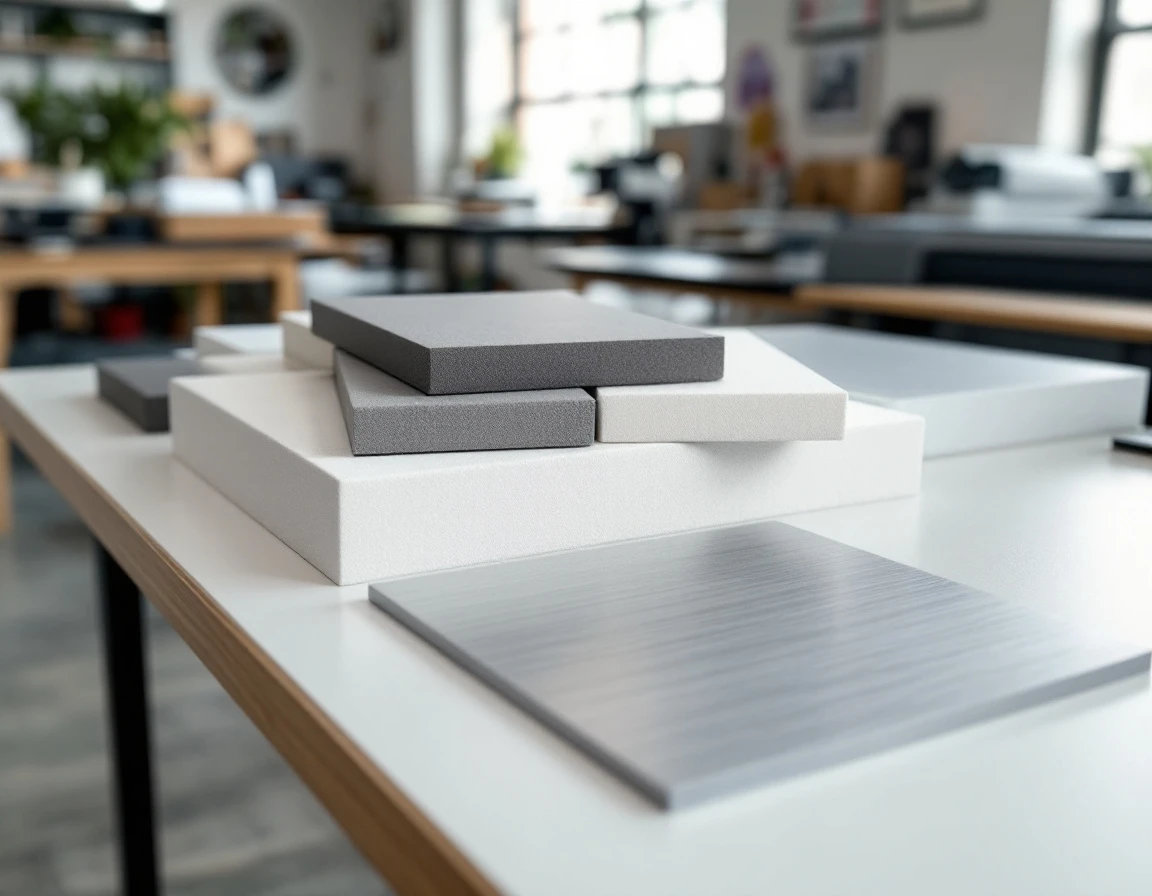
The material selection guide you publish in early August should answer a single question: "Which material is right for our booth type and budget?" Structure the guide around visual comparisons—a durability matrix that maps vinyl, cloth, and coated stock against wear scenarios, cost ranges that show upfront pricing next to expected lifespan, and wear timelines that illustrate how materials hold up across multiple events. Busy event planners scan rather than read, so front-load decision criteria.
Address three common scenarios explicitly. For pop-up banner materials used on multi-show circuits, compare vinyl (durable, reusable across 20+ events) against fabric (wrinkle-resistant, easier transport). For hard-case signage in permanent booths, highlight rigid substrates that withstand repeated handling and maintain brand polish. For durable backdrop materials facing repeated setup-and-teardown, explain why coated polyester outperforms uncoated cloth in high-traffic conditions. Each scenario pairs a booth type with a material recommendation and a cost-quality tradeoff.
Build a simple decision tree: budget tier (economy, mid-range, premium) flows to durability need (single event, seasonal circuit, year-round), then points to the recommended material. This structure removes guesswork and positions your shop as a trusted advisor rather than a vendor quoting prices. Prospects who reference your guide during internal planning meetings return to you when they're ready to order.
Close the guide with a soft consultation offer: "Let's discuss your booth goals—book a brief consultation." Shops that publish material expertise before prospects contact competitors create consistent inbound inquiry flow throughout trade show season.
Design Timeline & Production Workflow Guide
The most common question trade show exhibitors ask isn't about cost—it's about time. A transparent project timeline builds confidence and eliminates the anxiety that drives prospects to your competitors. When buyers understand exactly what happens between initial contact and final delivery, they can plan internal approvals and avoid the costly mistakes that derail projects.
A typical banner or booth graphic project spans six weeks from brief to delivery. Week one covers discovery—gathering specifications, booth dimensions, and branding assets. Weeks one through two focus on design drafts, translating your vision into print-ready files. Client review and revisions occupy weeks two through three, where approval loops often create the biggest delays. Final sign-off happens in week three, followed by material ordering in week four. Production runs during weeks four and five, with week six reserved as a delivery buffer to account for carrier delays or last-minute adjustments.
Bottlenecks cluster in predictable places. Design revision cycles extend when multiple stakeholders weigh in without a clear approval process. Custom material sourcing—specialty vinyls, textured fabrics, or non-standard hardware—can add seven to ten days if not ordered early. Rush surcharges kick in when compressed timelines force premium freight or overtime production shifts.
Standard Timeline (6 weeks): Full design iteration, material flexibility, standard production rates, ground shipping. Expedited Timeline (3 weeks): Limited revisions, stock materials only, rush production fees, expedited freight—typically adding 40–60% to project cost.
Prospects who engage six to eight weeks before their show date avoid stress, access the full material catalog, and work within standard pricing. Those who wait face constrained choices and premium costs. Sharing this guide with internal teams—marketing, events, executives—builds credibility and positions your shop as process-competent, not just a vendor.

Rush-Order Logistics & Feasibility Document
Not every project arrives with six weeks of lead time. Prospects facing last-minute deadlines or unexpected show additions need clarity about what the shop can deliver, how quickly, and at what cost. Publishing guidance on sign shop rush order management sets realistic expectations and converts urgency into revenue without overpromising.
Defining Rush Tiers and Lead Times
Structure rush service into clear tiers: two-week expedited, one-week priority, and emergency (72-hour or less). For each tier, specify what's included and what's not. A two-week rush works for standard vinyl banners or retractable stands using in-stock materials. One-week priority handles simple booth backdrops if design files arrive print-ready. Emergency orders cover reprints or replacements using materials already on hand.
Be explicit about constraints. Custom material sourcing—specialty fabrics, metallic finishes, or non-standard substrates—requires four weeks minimum, even on rush. If a prospect needs a 10×20 fabric backdrop, explain that standard polyester is available for one-week turnaround at a 20% premium, but custom dye-sublimation fabric takes five weeks regardless of budget.
How to Avoid Rush Orders
Frame rush as the exception, not the norm. Link back to the material selection and timeline guides published earlier in August. Show prospects that starting six weeks out means access to full material options, standard pricing, and buffer time for revisions. Explain that early engagement prevents bottlenecks like approval delays or shipping holds that turn routine projects into emergencies. This positions planning as the path to better outcomes and lower costs.
Research shows that businesses that start preparing marketing materials 1-2 months prior to trade shows achieve better outcomes and avoid rush fees.
Publishing, Ranking & Lead Capture Strategy
Guides published in August live on your website as permanent, searchable resources—not one-off social posts. Host each piece on a dedicated page with its own URL so Google can index and rank it for trade-show-adjacent terms like "banner material selection," "trade show printing timeline," or "rush vinyl banner printing." Promote newly published guides through Google Business Profile posts and local search optimization to capture prospects during their research phase.
Each guide should include soft calls to action that convert research traffic into qualified inquiries. Phrases like "Ready to discuss material options? Request a consultation" or "Need a custom quote? Schedule a brief call" appear naturally within the content, inviting next steps without hard-sell language. These internal links move prospects from exploration to conversation.
Repurpose guides across channels. Email existing customers ("Check out our new timeline guide for Q4 planning"). Share material guides with incoming inquiries to accelerate familiarity and reduce objections. Use these resources during team onboarding so new staff deliver consistent advice. Track guide views, consultation requests during peak season, and revenue tied to content-sourced leads to measure performance. Educational content strategies are essential—content marketing helps attract prospects during their research phase. Content published in August ranks before competitors respond, capturing traffic when search volume peaks and converting research into revenue without increasing ad spend. The B2B trade show market continues to grow, making early content positioning critical. Learn more about content automation for local search.