

July–August Shipping Surge: Why Peak Season Shipping Dorm Supplies Tips Matter
July and August bring a rush of back-to-school shipments that pile into your store's shipping queue. Families ship dorm supplies during an eight-week window, carrier backlogs lengthen, delivery windows stretch, and surcharges kick in. Your store feels the pressure directly. Logistics providers respond with peak-season surcharges and extended delivery windows that can stretch standard ground service by three to five days. As a pack-ship-print store owner, you can guide customers through peak-season shipping with confidence — and earn their loyalty.
Without a packing strategy, shipments arrive damaged or late. Customers get frustrated, you handle damage disputes, and your reputation takes a hit. Every year, resident advisors report students arriving on campus with delayed or damaged shipments, scrambling to replace essentials during the busiest retail weekend of the academic calendar.
A priority-based packing approach changes the equation. By identifying which items ship most efficiently, matching protective materials to actual carrier handling conditions, and timing deliveries around known bottlenecks, families cut packing time in half and reduce damage claims.The strategy outlined in this guide addresses the specific challenges of peak-season shipping with practical steps that work within carrier constraints rather than against them.
Priority-Based Item Checklist
Not all dorm supplies deserve the same shipping priority. Parents who pack strategically — shipping high-volume essentials first and leaving low-value accessories for last — cut packing time in half and avoid the panic of missing move-in deadlines. This three-tier framework helps you decide what ships when, based on volume, fragility, and necessity.
Tier 1: Bulky, Low-Fragility Essentials should ship first. Bedding, mattress pads, pillows, towels, and laundry baskets occupy the most volume and survive transit without elaborate protection. These items take the longest to pack and weigh the most, so shipping them early — ideally two to three weeks before move-in — gets them through carrier hubs before peak-season backlogs intensify. If you wait until the final week, these boxes compete for capacity with thousands of other families shipping identical items.
Tier 2: Mid-Priority Items with Moderate Fragility follow once Tier 1 packages are confirmed shipped. Textbooks, clothing, small electronics, desk lamps, and personal care products fit efficiently into boxes and benefit from bubble wrap or foam inserts. These items matter for daily life but aren't catastrophic if they arrive a day or two late. Ship them one to two weeks before move-in, using carriers with predictable delivery windows.
Tier 3: Decorations and Lightweight Accessories ship last — or not at all. Posters, novelty items, string lights, and picture frames can be sourced locally if peak-season delays push delivery past move-in day. If you're packing during the final week of August, skip these items entirely and buy them near campus. Prioritizing by volume and fragility prevents over-shipping low-value goods that can be replaced easily.
Use this checklist with customers at your counter to help them prioritize what ships when. It reduces their packing stress and cuts down on damage claims you'd otherwise handle.
Protective Materials & Packing Sequence: How to Pack Dorm Room for Shipping
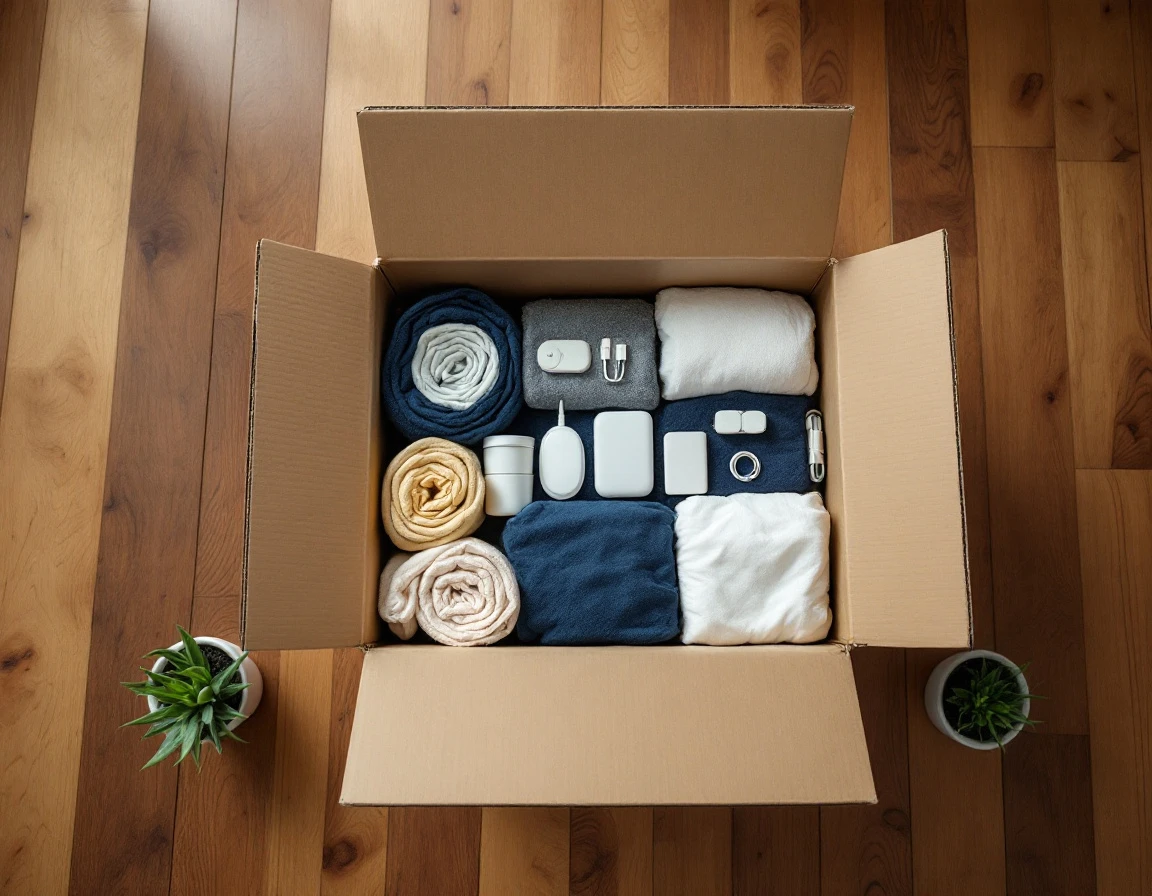
Peak-season volume means faster conveyor belts and less careful handling. Your customers' boxes get tossed around more than usual. Carrier conveyor belts and sorting equipment process packages at extreme speed during July and August, when college move-in shipping volumes flood the system with dorm supply shipments. A box that survives normal handling might split open or allow internal shifting during peak-season processing, when facilities move 10,000+ packages daily through automated scan points and conveyor junctions. The right protective materials and packing sequence prevent damage claims before they start.
Start with corrugated boxes rated at minimum 200 ECT (Edge Crush Test), which handle stacking pressure better than standard boxes. Avoid oversized boxes that leave too much empty space — carriers calculate dimensional weight pricing based on box size, and an unnecessarily large box inflates shipping costs while allowing items to shift during transit. Match box size to your packed contents with just enough room for protective fill.
Fragile items deserve individual bubble wrap — electronics, glassware, frames. Wrap edges and corners twice; they take the hardest hits during sorting. Cluster wrapped items together in the center of the box rather than spreading them out — this reduces internal movement when the package gets tossed onto a conveyor belt or dropped during sorting.
Fill all empty spaces with air pillows or crinkle paper. Skip newspaper — it compresses and lets items shift. Air pillows maintain their cushioning properties throughout transit, absorbing impact when boxes bump against each other in delivery trucks or on sorting equipment.
Seal every seam with 2-inch wide packing tape, running strips along the top and bottom center seam plus both edge seams. Weak seals fail at automated scan points, where packages get pushed, rotated, and stacked at high speed. A box with inadequate tape coverage will split open before reaching the delivery truck.Quality materials represent a modest investment upfront, but this choice prevents the far greater expense of damage claims and replacement shipments during peak season.

Carrier Selection for Peak-Season Reliability
Help your customers pick the right carrier by explaining what each one actually delivers during peak season. The most reliable options are:
- USPS Priority Mail Express guarantees 1–2 day delivery and remains the most reliable option for time-critical shipments, though expect to pay 20–30% more during peak season. This premium service bypasses many of the capacity bottlenecks that affect ground networks.
- UPS Ground offers the best cost-to-reliability ratio if you book 5–7 days before move-in. Booking during this window places your shipment ahead of the final-week rush when UPS processing facilities reach maximum capacity. Avoid booking UPS Ground in the 72 hours before arrival — delays become common as volume spikes.
- FedEx Ground faces capacity constraints throughout July and often delays shipments by 2–3 days. Use FedEx only if your move-in date allows flexibility or if regional rates make it the clear budget choice.
Compare rates and delivery windows across all three carriers using multi-carrier rate comparison tools before committing. Peak-season surcharges vary by carrier, region, and even specific ZIP codes, making real-time comparison essential for balancing cost and delivery reliability.
Cost-Saving Strategies for Peak-Season Surcharges
Peak-season surcharges hit in July and August — typically $5 to $15 extra per package. Your customers need to know this upfront. Help customers understand that timing matters. Those who ship early avoid the worst surcharges. Suggest they consolidate multiple boxes when possible — it cuts surcharge costs measurably.
Follow these cost-saving strategies:
- Ship to campus mail distribution centers rather than individual dorm rooms whenever the school allows it. Bulk shipping dorm essentials to centralized campus addresses reduces per-package surcharges because carriers process them as commercial stops rather than residential addresses.
- Combine multiple smaller boxes into one larger carton when dimensional weight stays the same — this consolidation approach saves 10–20% on surcharges by reducing the number of individual packages entering the carrier network.
- Schedule shipments for Tuesday through Thursday instead of Fridays or weekends. Mid-week shipping avoids congestion fees that carriers apply to weekend deliveries, and packages move through sorting facilities faster when volume is lower, reducing handling time and the risk of delays at scan points.
Tracking, Delivery Confirmation & Contingency
Once packages leave your store, teach customers to track them daily. Regional hubs often hold shipments for 2–3 days during peak season — early warnings prevent surprises. Regional sorting hubs during July and August often hold shipments for an extra 2–3 days before final delivery, especially when volumes spike. Monitor tracking numbers daily starting 5–7 days before move-in day, and watch for status updates showing packages stuck at distribution centers or delayed at intermediate facilities.
Request delivery confirmation and signature-required service for electronics and high-value items. Peak-season congestion increases theft risk at drop-off points, and signature verification reduces damage disputes by creating a documented chain of custody. This protective measure proves cost-effective when a shipment contains laptops, monitors, or expensive bedding, as it guards against losses that would far exceed the service fee.
If a shipment delays, help the customer contact the carrier for proof of dispatch. Most colleges hold late supplies for 3–5 days if documentation shows the box shipped on time. Your store's shipping records are key to resolving these disputes. Residential life offices typically hold items for 3–5 days after arrival. Giving families a narrow window to coordinate pickup.
Have a backup plan before shipping. Identify Target, Walmart, or Bed Bath & Beyond locations within 10 miles of campus. And budget $50–150 for emergency purchases if a critical shipment is delayed beyond 2 days before move-in. Buying essentials locally costs more than pre-shipping, but it prevents the first week of classes from starting without bedding, towels, or school supplies.
How ParcelPuffin Helps Your Store During Peak Season
ParcelPuffin helps your store manage peak-season volume by showing customers real-time carrier rates, delivery windows, and surcharges before they commit. Your team spends less time answering 'which carrier is cheapest?' and more time on the counter. Learn how ParcelPuffin simplifies your store operations during back-to-school season.