

Cash Flow Instability in Seasonal Retail
Independent retailers earning between $100,000 and $500,000 annually face a familiar challenge: revenue tied directly to foot traffic and seasonal buying patterns. August feels quiet. September brings mild upticks. Then October through December delivers the bulk of annual income as holiday shoppers flood stores. This cycle makes recurring revenue for retail operators a practical defense against cash flow instability.
This concentration creates dangerous cash flow gaps. Strong Q4 numbers can mask struggles during spring and summer dry spells, when rent, utilities, and baseline staffing costs continue regardless of transaction volume. Operators find themselves dipping into reserves or delaying inventory orders precisely when they should be preparing for peak season.
The scramble hits hardest in September. Store owners need cash to hire seasonal staff. Stock shelves, and expand service hours before the rush begins. Without predictable monthly revenue flowing throughout the year, these preparations become reactive instead of strategic.
A stability buffer built before August transforms Q4 planning from crisis management into controlled growth.
Building Recurring Revenue for Retail Operators
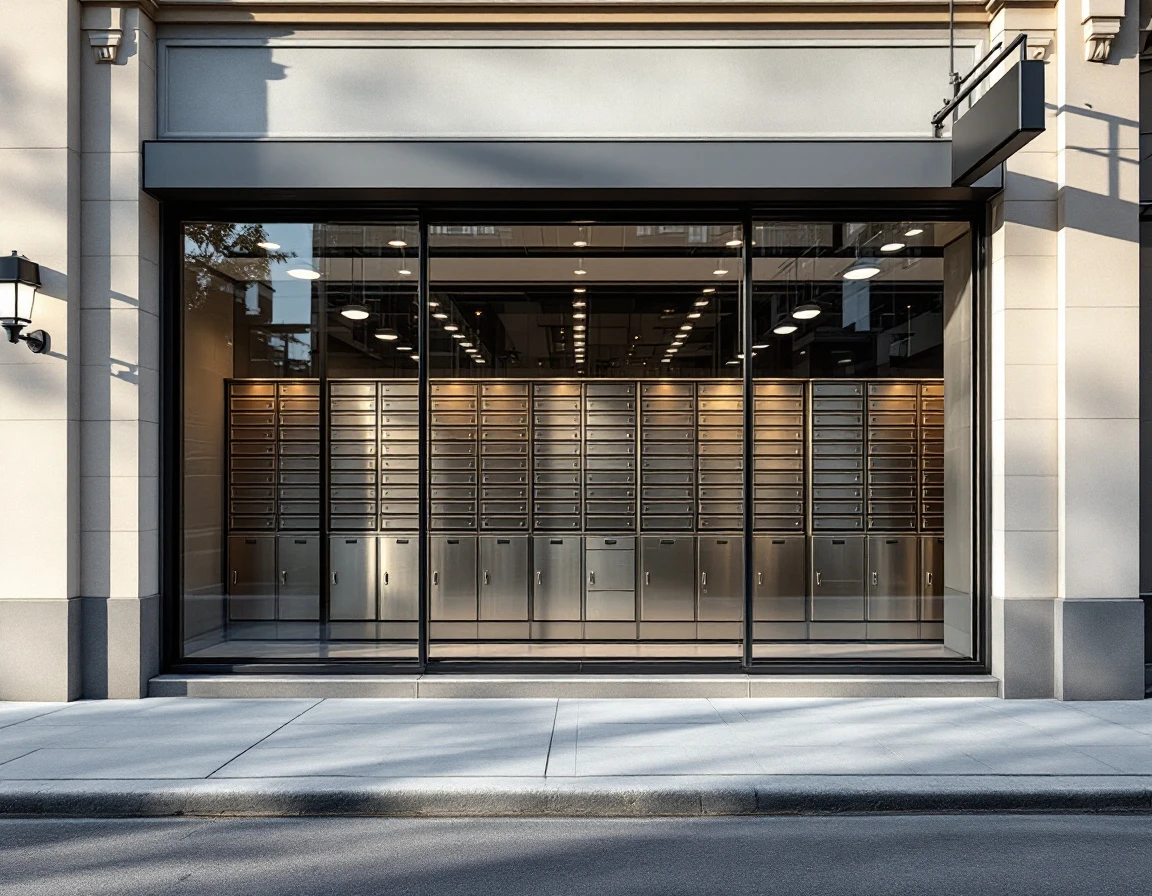
Mailbox rentals and service subscriptions offer independent retail operators a simple way to build stable monthly income that doesn't depend on walk-in traffic or seasonal sales swings. Once you register as a Commercial Mail Receiving Agency (CMRA) with USPS and set up mailboxes, customers pay monthly fees for a physical address and package acceptance—creating predictable revenue that arrives whether or not anyone buys retail products.
CMRA compliance requires registering your business, collecting IRS Form 1583 from each customer, and maintaining records for inspection. Upfront costs are manageable: signage that displays your CMRA status, physical mailbox units or cubby systems, and Form 1583 filing. After that, operational requirements focus on mail sorting, customer notifications, and record retention.
A small retail store with mailboxes rented on a monthly basis generates reliable recurring income. This revenue flows in regardless of foot traffic, weather, or retail seasonality. Pricing varies across the market, and most operators start with a modest number of boxes, producing consistent monthly returns that scale with their customer base.
Launching mailbox rental recurring income for businesses by August gives you two months to build monthly cash reserves before the holiday season begins. That buffer strengthens your position heading into Q4.
Service Subscriptions for Retail Operators
Beyond mailbox rentals, service subscriptions offer another way to build recurring revenue from services your store already provides. Think about what your customers use repeatedly: packing and shipping discounts, printing bundles, UPS or FedEx access, notary services, or key duplication. Instead of charging per transaction, you bundle these into monthly subscription tiers that appeal to small business customers and frequent users.
Tiered pricing works well for this model. A basic tier might include discounted shipping labels and priority queue access for cost-conscious users. A standard tier could add printing credits and notary services for growing businesses. A premium tier might bundle everything with additional perks like free packing materials or extended mailbox access for power users. These tiers attract different customer segments while locking in predictable income.
The revenue math is simple: 25 subscribers at $19.99 per month generates $500 in stable monthly income.
What makes this model particularly valuable is that subscribers still purchase additional services and supplies beyond their subscription, creating both recurring revenue and ongoing upsell opportunities.
Modern POS systems can automate subscription billing, track usage against plan limits, and flag renewal dates. ParcelPuffin integrates subscription management directly into your daily operations, making it easy to enroll customers and monitor which services drive the most value.

Setup Timeline and Launch Strategy
The clock is ticking. August gives you six to eight weeks to acquire mailbox renters and service subscribers before September traffic peaks and the holiday rush begins. Launch now, and you'll have predictable monthly cash flow stabilizing your operations before foot traffic becomes unpredictable.
Mailbox rentals require the longest runway. Budget two to three weeks for CMRA filing with USPS, physical box installation or partitioning, signage, customer onboarding documentation, and acceptance testing. Start compliance paperwork this week to open for rentals by mid-August.
Service subscriptions move faster. POS configuration, tier setup, and customer communication take roughly one week. You can launch subscription plans by late August and promote them to existing customers through email, counter signage, and receipt messaging.
Every subscriber you add in August becomes a September baseline. That's recurring revenue flowing in while you handle seasonal surges, not after they've passed.
Revenue Calculation Framework
Calculating your own recurring revenue potential is simple. Start with the combined model: 30 mailboxes at $25 per month generate $750. And 30 service subscribers at $20 per month add another $600. That's $1,350 in monthly recurring income. Or $16,200 annually—before you factor in any walk-in sales or seasonal spikes.
One-time setup costs are minimal. Plan for modest expenses covering signage, CMRA filing if you're launching mailbox rentals, and POS integration if your system already supports subscriptions. The total upfront investment remains manageable, meaning you break even within a few weeks once subscribers sign up.
After that initial payback period, the recurring margin becomes pure profit. This predictable monthly floor changes how you approach Q4 planning. Instead of guessing whether you can afford seasonal staff or stock extra inventory, you know you have committed revenue locked in. That financial certainty lets you hire with confidence and order inventory earlier, turning peak season from a scramble into a strategic advantage.
Integration With POS and Payment Systems
Without a unified system, managing recurring revenue means juggling spreadsheets, manual invoices, and separate payment processors for mailbox renewals, service subscriptions, and walk-in transactions. One operator described tracking mailbox rent in Excel while running retail sales through a traditional POS—then reconciling both systems at month-end to understand actual revenue. That administrative burden makes recurring models feel impractical for small teams.
Modern POS platforms like ParcelPuffin consolidate recurring subscriptions, mailbox payments, and retail sales into one dashboard. Mailbox subscribers auto-renew monthly without manual intervention. Subscription charges sync directly to payment processing, so billing happens in the background while you serve customers at the counter. Reports separate recurring revenue from transactional sales, giving you instant visibility into your baseline income versus variable retail activity.
This integration removes the operational friction that prevents small operators from adopting recurring models. You don't need accounting staff or advanced bookkeeping skills—the system handles billing cycles, payment reminders, and revenue tracking automatically. Integration also enables cross-selling: when a subscription customer comes in for their monthly print credits, the POS flags additional services they might need, turning recurring subscribers into higher-value retail customers.

Next Steps Before Q4 Peak
Start with an audit of your current service menu. Walk through every service you already offer—shipping, printing, copying, notary, faxing, laminating—and ask which ones your regulars use monthly. Those are your subscription candidates. Write them down, then sketch out a simple tiered plan: basic, standard, and premium.
If mailbox rentals are part of your plan, register as a CMRA through USPS Form 1583 now, or partner with an existing mailbox provider to avoid the compliance workload. Either path works; choose based on your timeline and resource availability.
Test your subscription model with five to ten pilot customers in mid-August. Use ParcelPuffin's recurring billing features to configure monthly charges, automate invoicing, and track subscriber activity separately from walk-in sales. Run the pilot for two weeks, gather feedback, adjust pricing or service bundles, then scale by September 1.
Starting now gives you six to eight weeks to build a recurring revenue base before holiday traffic peaks. That monthly income stabilizes cash flow through Q4 and into 2027, reducing your dependence on unpredictable foot traffic.