

Why Timing Matters for Q4 Planning
Late summer 2026 represents the final window to evaluate equipment upgrades and service expansions before the fourth-quarter revenue surge. Attending PRINTING United Expo for print shop owners gives you a decisive advantage: shops that finalize purchasing decisions in September and October can install new machinery, train staff, and test workflows before customer demand peaks in November and December.
Your competitors are walking the expo floor right now, comparing wide-format presses, finishing equipment, and workflow automation systems. The intelligence you gain from booth demonstrations and vendor conversations reveals which capabilities rival shops are adding — information that directly shapes your own competitive response.
Industry forecasts presented at the expo inform critical decisions about pricing models and service mix for the remainder of the year. Attending means you can adjust your fall strategy based on fresh market data rather than reacting to competitor moves after the busy season starts.
Equipment Innovations and Multi-Service Impact
The expo floor at PRINTING United Expo for print shop owners showcases the latest digital presses, offset systems, and wide-format equipment with live demos that reveal real-world performance gaps between vendor claims and actual output. Multi-service retailers gain the most value by prioritizing three equipment categories: finishing automation that reduces manual folding and binding labor, hybrid digital-offset systems that let you bundle quick-turnaround jobs with longer runs under one roof, and large-format printers that open event signage and vehicle wrap revenue streams.
Live vendor demos provide hands-on evidence that video comparisons can't match — you'll see paper handling quirks, color consistency across substrates, and changeover speed firsthand. Most vendors bring financial analysts who walk through capital investment models comparing equipment costs against projected service expansion revenue, helping you calculate whether a new press pays for itself by December or takes until spring.
Equipment decisions finalized in July ship and install in time to handle Q4 volume spikes without scrambling for overflow partners or turning away jobs.

Competitive Intelligence and Peer Networking
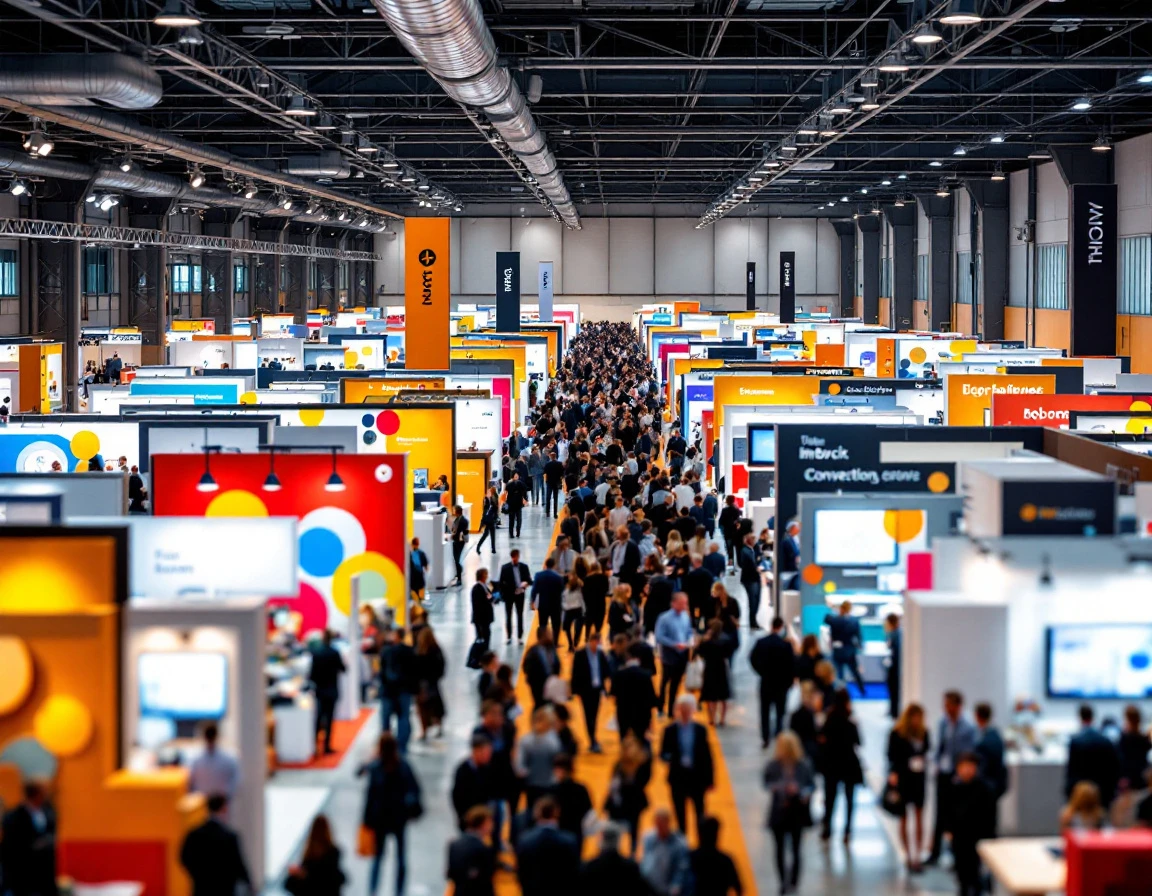
The expo floor functions as primary research infrastructure that print shop owners cannot replicate elsewhere. Direct conversations with equipment vendors reveal what competitors are buying and their profitability targets — vendors mention "shops in your region just ordered three of these" or emphasize features that solve problems you recognize from your own market. Booth traffic patterns expose which technologies attract serious buyers versus browsers.
Peer networking at print shop networking events delivers data that no industry report captures. Print shop owners running similar multi-service operations share real-world performance data on new equipment, actual service margins, and what customers are willing to pay. These casual conversations reveal which services are growing, what equipment investments paid off, and what didn't meet expectations.
Formal sessions and informal booth discussions expose market shifts in pricing, service mix, and customer expectations before they reach your local market. Intelligence gathered in July informs equipment purchases and service offerings that position your shop ahead of competitors before Q4 demand arrives.
Industry Trends and Service Expansion Signals
Conference sessions at PRINTING United Expo forecast demand trends across emerging service categories — apparel printing. Custom packaging, and specialty finishes — by consolidating market data that would otherwise require months of independent research. Vendor keynotes reveal where manufacturers are directing innovation investment, signaling which service lines are gaining commercial traction. When DTF transfer suppliers launch three new product lines or sustainable packaging vendors dominate an entire aisle, those patterns reflect rising customer demand rather than wishful thinking.
Market case studies presented during breakout sessions validate profitability assumptions for new service offerings. Shop owners who attend in July can pilot apparel decoration or custom packaging services in August, building technical capability and refining pricing before competitors recognize the opportunity in October. This timing matters: launching a new service category takes eight to twelve weeks to execute properly, and expo attendance compresses the research phase into three days.
Strategic Booth Prioritization and Session
Walking into a printing equipment expo without a plan turns three days of valuable intelligence into overwhelming vendor noise. Start by defining three to five specific business goals before you arrive. These might include reducing finishing labor costs, adding large-format apparel capability, or improving turnaround time on custom packaging orders. Each goal should connect to a concrete pain point in your current operation.
Map those goals directly to booth visits and conference sessions. If labor efficiency is your priority, schedule time with automated finishing equipment vendors and attend sessions on workflow optimization. If you're evaluating apparel printing as a new service line, visit DTG and screen printing booths and note which shops in your market already offer those services.
The difference between browsing and strategic intelligence-gathering is documentation. Collect vendor spec sheets, ask about service contract terms, and note which competitors are examining the same equipment. Your ROI compounds after the show when you follow up with targeted proposals. Pricing comparisons, and implementation timelines that align with Q4 preparation.
Post-Expo Action and Q4 Implementation
The expo floor closes, but the work begins. Intelligence gathered at PRINTING United Expo converts into competitive advantage only when leads, proposals, and vendor contacts receive immediate follow-up. Within one week of returning, successful shop owners organize business cards, product photos, and demo notes into actionable vendor lists with specific next steps for each technology category.
Equipment RFQs must go out before August ends. Vendors need three weeks minimum to prepare detailed proposals, and internal financing approvals add another week. Any equipment planned for Q4 deployment needs purchase orders signed by mid-September to allow for delivery, installation, and staff training before the holiday rush begins.
Service pilots follow the same compressed timeline. Pricing strategy for new offerings like apparel printing or sustainable packaging requires early September finalization to give your marketing enough runway before fall customers start planning their own holiday materials. The shops that move fastest on expo intelligence capture Q4 revenue their competitors miss.