Q4 Revenue Opportunity and Competitive Timeline
Running a print shop means constantly weighing capacity against the orders you can take. Peak season—Q4 for most print shops—is when big e-commerce brands lock in their packaging vendors. The shops that win those contracts are the ones that can promise faster turnaround and lower per-unit costs. By the time holiday orders flood in, pricing is locked and vendor relationships are set. Print shops evaluating printing and packaging technology solutions now have five months to implement systems, train staff, and demonstrate faster turnaround times before those negotiations close.
Print shops running manual packaging lines lose orders to competitors who can promise faster turnaround and lower costs. When e-commerce brands compare vendors, speed and price are usually the deciding factors. Waiting until September or October means missing the contract cycle entirely—decisions happen before peak demand hits, not during it.
Planning ahead for Q4 gives print shops time to integrate new systems and demonstrate improved capacity when contract negotiations happen. Brands want to see proven results before they commit volume—and that proof takes time to build.
Three Core Technology Categories and ROI Timelines
Let's look at three technologies that help print shops handle larger contracts faster—and when you can expect to see results:
- Digital printing eliminates the setup costs that make offset printing expensive for small runs. A 2,000-unit custom packaging order costs $0.42 per unit with offset but $0.31 with digital—no setup waste, no retooling between jobs. This lets you quote 24–48 hour turnaround instead of 5–7 days. Most shops see cost savings within three to four months.
- Automated packaging lines increase capacity measurably within six months, unlocking the throughput needed to quote larger e-commerce contracts confidently
- Fulfillment software is where you see the quickest payoff. It cuts the time your team spends on order entry, label printing, and inventory tracking—usually by 20–30% in the first two months by automating order routing and shipping label generation
These three categories work together as a unified system. Fulfillment software controls digital printing output, directing jobs to the right press based on order volume and delivery deadline. Digital printing feeds automated packaging lines, which apply labels, fold boxes, and prepare shipments without manual intervention. The system tracks inventory and fulfillment status in real time, giving your team visibility into every order from file upload to carrier pickup.
This integration matters because it changes the contracts you can win. When e-commerce brands evaluate print partners during Q4 pricing negotiations, they prioritize shops that can handle volume spikes, deliver consistent per-unit costs, and provide real-time order tracking. The combination of digital printing speed, packaging automation capacity, and software-driven fulfillment gives your shop the structure to quote competitively on contracts that would have required manual overtime or outsourcing six months ago.
Digital Printing Systems
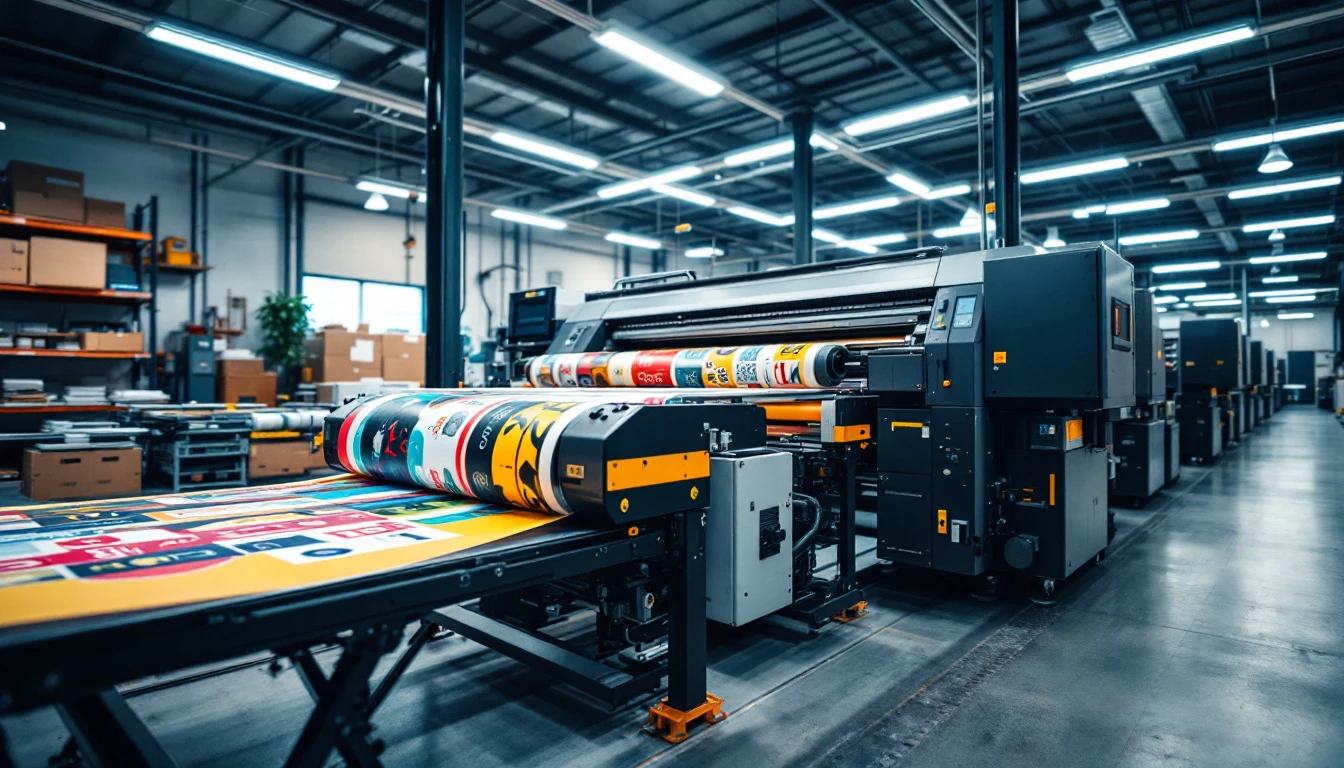
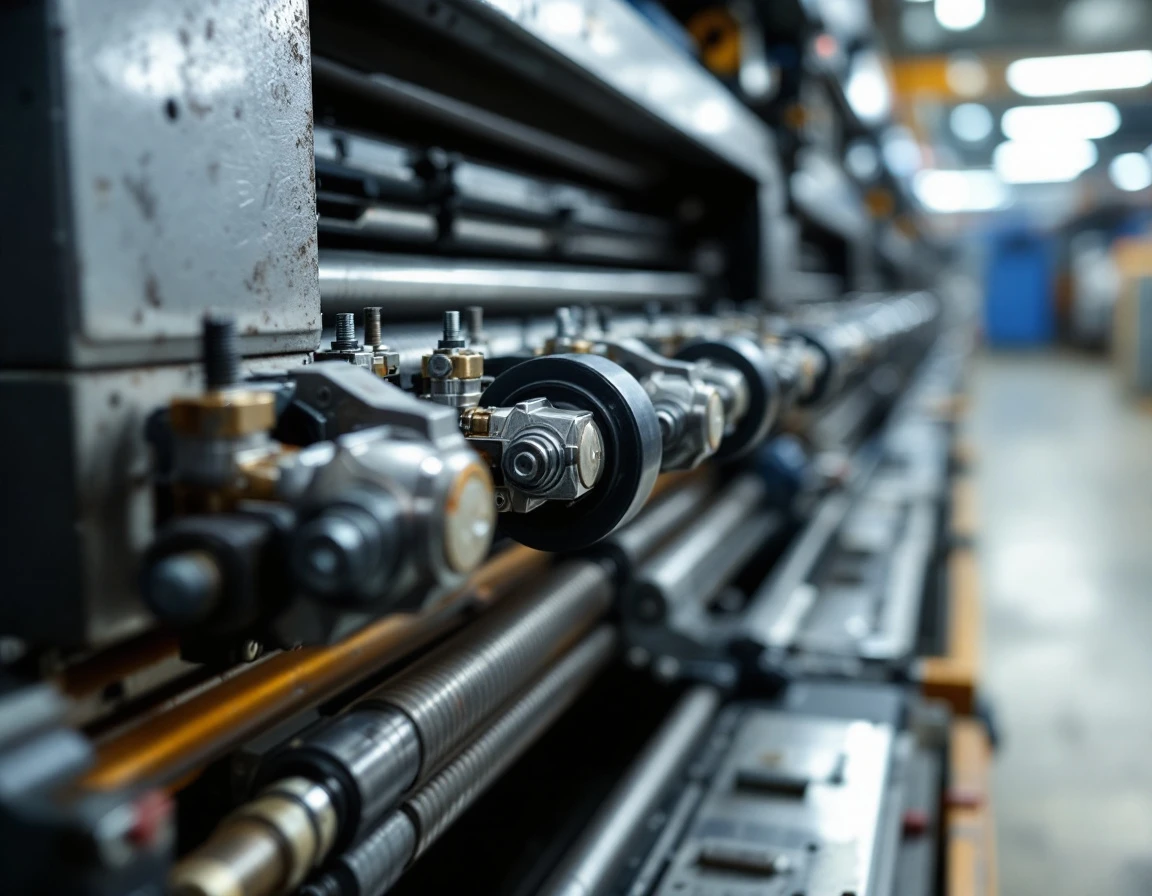
Digital printing systems — UV inkjet and toner-based platforms — eliminate the setup waste that makes offset printing expensive for mid-volume runs. A 2,000-unit custom packaging order costs $0.42 per unit with offset (setup, paper, ink, labor) versus $0.31 with digital (no setup, optimized toner, minimal waste). These systems integrate directly with design files and handle mixed-SKU orders without retooling, which lets print shops quote 24–48 hour turnaround instead of the 5–7 days offset requires.
This speed attracts direct-to-consumer brands that need packaging runs between 500 and 5,000 units — volume competitors using offset equipment can't profitably serve. Digitally printed packaging is providing brand owners with many exciting opportunities to better serve customers while improving operational efficiency. Typical payback period for mid-market digital equipment runs 14–18 months.
Automated Packaging Lines
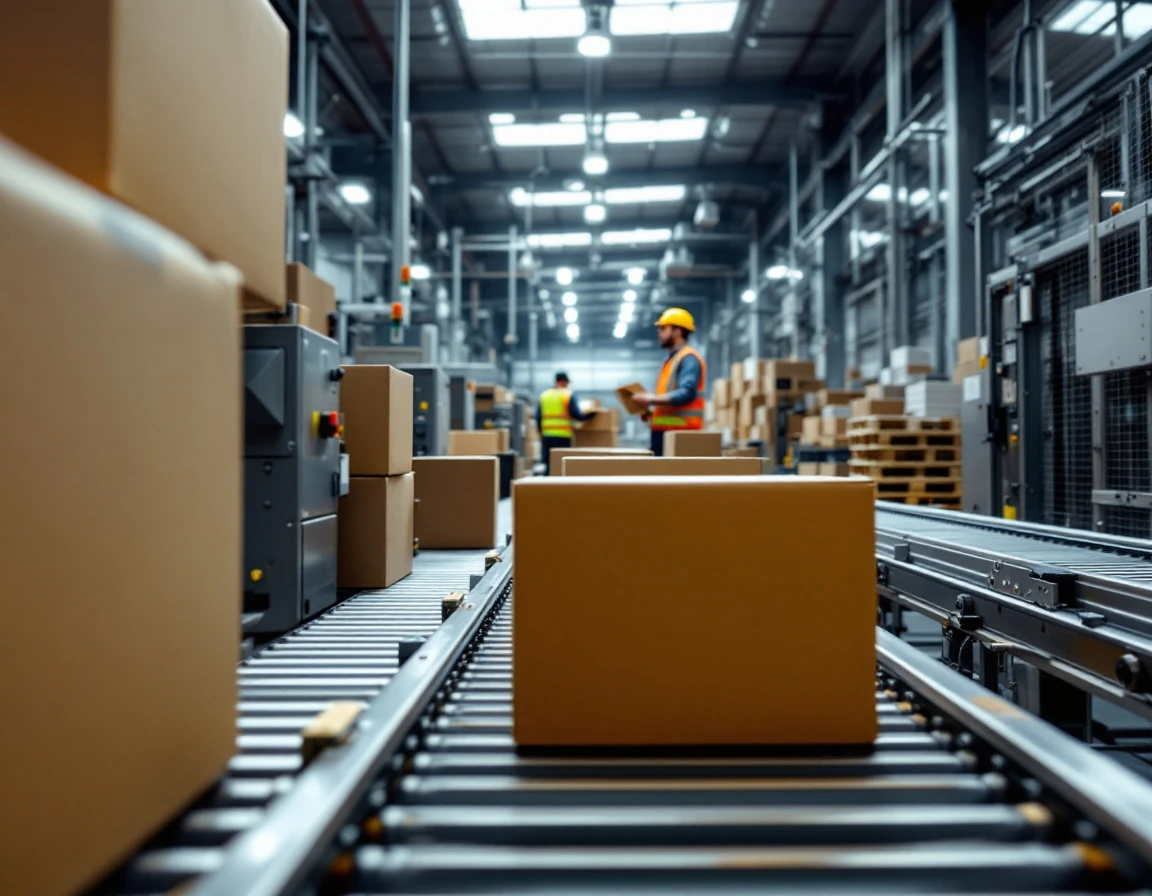
Automated packaging equipment transforms die-cutting, folding, gluing, and labeling into a single continuous workflow. These systems read digital print output and automatically adjust fold patterns, glue placement, and label positioning for each job. A manual operation might complete 200–300 finished boxes per hour across two to three orders per shift. An integrated automated line processes 600–900 boxes per hour and handles eight to twelve orders in the same timeframe.
Consider a print shop that wins a contract for 50,000 custom mailers for an e-commerce brand requiring 12-week fulfillment. Manual labor cannot meet this timeline. Automation makes it achievable. Equipment procurement and installation require four to six months of lead time, which means shops evaluating vendors in July can be operational by November—exactly when peak holiday demand arrives and contract pricing negotiations close.
Vendor Evaluation Roadmap: July–September 2026
Choosing and installing new printing technology takes time. If you're thinking about upgrading, the timeline matters—you want systems in place and tested before brands start their Q4 vendor negotiations. This three-month roadmap helps you select and install equipment before peak season.
- July: Define your capacity gap by measuring current output—units per hour, per-unit cost including labor, materials, and overhead—and set a target capacity increase of 30–40%. Request detailed quotes from three to five vendors per technology category. Specify integration requirements: software-controlled printing feeds must connect to automated packaging, and inventory should sync across systems. ParcelPuffin's POS integration unifies printing, packaging, shipping, and customer data in one platform. Eliminating manual re-entry between production stages.
- August: Conduct on-site demos at your facility. Ask vendors for case studies from shops with similar size and service mix. Compare how different types of packaging printing techniques connect to packaging equipment—watch for bottlenecks where manual handoffs slow workflow.
- September: Negotiate pricing and lock in delivery dates. Equipment should arrive by early November, allowing two to three weeks for installation and staff training before Thanksgiving orders surge.
Winning Q4 Contracts: Printing and Packaging Technology Solutions Implementation
Print shops that complete installation by early November enter Q4 negotiations with six to eight weeks of production data proving capacity and service quality. E-commerce brands reviewing vendor proposals demand specific turnaround windows, real-time inventory tracking, and dynamic pricing—all capabilities that integrated digital printing, automated packaging, and fulfillment software deliver. Without digital printing or automation, it's hard to match the per-unit costs or lead times that competitors with newer systems can deliver. That's where the competitive gap opens.
Once your new systems are live and running smoothly, your per-unit costs will be noticeably lower—25 to 35 percent lower than shops still running offset and manual lines. That cost difference is what lets you quote competitively on larger contracts and still make healthy margins. E-commerce contracts typically lock pricing for Q1, securing high-margin revenue through March.
Integrated software tracks production status, inventory levels, and fulfillment schedules in real time—a requirement for brands operating strict delivery deadlines.
Investments in digitizing processes have enabled print providers to offer many services beyond traditional print. From digital media to data analysis. If you're planning to upgrade printing or packaging systems this year, starting vendor evaluation now gives you time to test technology before Q4 demand peaks. ParcelPuffin integrates with most digital printing platforms—see how it works for your shop.