

Why Generic Retail POS Fails Shipping
Generic retail point-of-sale systems are built for selling T-shirts and coffee mugs, not for the specialized demands of a POS system for pack and ship stores. They can't compare FedEx and UPS rates on a 12×9×6-inch box headed to Boise. When July through September arrive and shipping volume climbs, stores using these systems face a harsh reality: their POS can't talk to carrier APIs. Can't generate shipping labels, and can't capture dimensional weight at the counter.
The result is a cascade of manual workarounds. Clerks hand-key package dimensions into a separate carrier website, then toggle back to the POS to ring up the transaction. They print labels from one system and receipts from another. Dimensional weight—critical for accurate pricing—gets eyeballed or skipped entirely, leading to billing surprises later. Each transaction stretches three to five minutes longer than it should, turning a busy Tuesday into a bottleneck.
Those extra minutes add up fast. A store processing fifty shipments daily loses two to four hours of labor every week to redundant data entry and system-hopping. Errors creep in when staff rush: wrong service levels, mispriced packages, and missing tracking numbers that frustrate customers and trigger support calls.
When peak season hits, these gaps don't just slow checkout—they choke velocity entirely. Generic systems leave pack-and-ship operators scrambling with duct-tape solutions while specialized competitors breeze through the rush.

Five Core Shipping POS Features
Specialized POS system for pack and ship stores separate themselves from generic retail platforms through five features that directly address the realities of pack-and-ship operations. These capabilities aren't nice-to-have extras—they're the difference between smooth transactions and counter bottlenecks during the busy summer months when shipping volume peaks.
Integrated Carrier APIs
Carrier API integration connects your POS directly to USPS, UPS, FedEx, and DHL rating engines and label systems. Instead of opening separate carrier websites or desktop software, staff generate shipping labels from the same screen where they process payment. Retail-focused POS systems treat shipping as an afterthought, offering at best a manual entry field for "shipping service" with no connection to actual carrier systems.
The practical impact shows up most clearly during rush periods. An employee using integrated APIs scans the package, sees live rates from all carriers, selects the appropriate service, and prints a compliant label in under 30 seconds. That same transaction on a retail POS requires switching to a browser or separate software, re-entering customer and package details, then manually recording the shipping cost back in the POS—adding two to three minutes per shipment and creating multiple opportunities for data entry errors.
Batch Label Printing
When a business customer drops off ten identical packages destined for different addresses, batch label printing processes all ten in one workflow. The system captures recipient data once, applies identical package specs and carrier service across the batch, and sends all labels to the printer together. Retail POS systems lack this capability entirely, forcing staff to treat each package as a separate transaction.
The time savings compound quickly. Processing ten packages individually takes 20 to 25 minutes; batch processing cuts that to six or seven minutes. During July through September, when e-commerce sellers and small businesses ship summer inventory and back-to-school orders, those saved minutes translate to serving more customers without adding staff hours.
Dimensional Weight Capture
Carriers bill on dimensional weight for packages where size matters more than actual weight. A shipping POS with integrated scales and measurement tools calculates dimensional weight automatically and applies the correct pricing before quoting the customer. Generic retail systems have no mechanism to capture package dimensions or perform these calculations.
Stores without this feature either undercharge customers—absorbing the difference and losing margin—or quote incorrectly and face awkward conversations when actual shipping costs come in higher. Dimensional weight errors create a steady drain on profitability through margin erosion at every location, and the problem compounds during peak season when larger boxes move through the counter in volume.
Real-Time Rate Comparison
Rate shopping displays pricing from multiple carriers side by side for the same package and destination, updating as zone and service level change. Customers see the full range of options—ground versus express, different carriers, delivery timeframes—and choose based on their budget and urgency. Retail POS platforms offer no rate comparison; staff must manually check carrier websites or default to a single preferred carrier.
This feature directly improves customer value. A package to the West Coast might cost less through USPS Ground than through UPS Ground, with expedited options like FedEx 2Day commanding a premium. Showing all options lets the customer make an informed choice rather than accepting whatever the store happens to quote first. Stores that offer this transparency build trust and earn repeat business.
Shipping Log Reporting
Shipping-specific POS systems maintain detailed logs of every label printed, including tracking numbers, carrier, service level, customer information, and timestamps. These logs support audits, handle customer inquiries about past shipments, and provide compliance documentation for carriers and business customers who need shipping records.
Retail POS systems record sales transactions but don't capture shipping-specific metadata. When a customer calls three weeks later asking about a package, staff have no efficient way to retrieve the tracking number or service used. The shipping log turns that five-minute search through paper receipts into a ten-second database query.
Integrated Carrier APIs
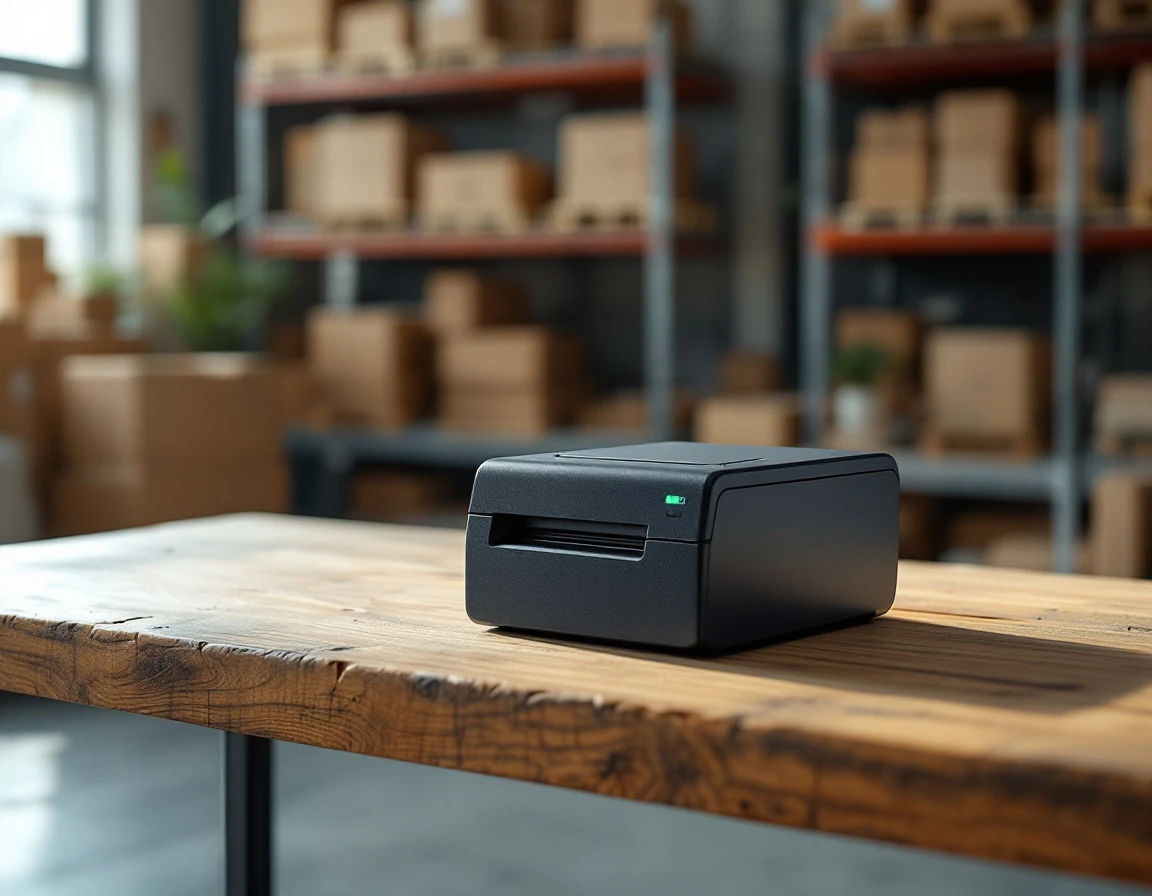
When a customer steps up to the counter with a package, a specialized shipping POS pulls current rates from USPS, UPS, FedEx, and DHL directly into the checkout interface. The staff member selects the best option, prints the label, and completes the transaction without opening a browser tab or consulting outdated rate cards. Generic retail POS tools lack this native integration, forcing staff to navigate external carrier websites, re-key package details, and manually cross-reference pricing—adding two to three minutes per transaction.
Integrated carrier APIs eliminate manual quote steps entirely. Real-time rate lookups replace guesswork with precise pricing at the moment of sale. Automatic label generation pulls customer and package data straight from the order record, preventing typos and duplicate entry. Multi-carrier support means switching from FedEx to USPS requires a single click rather than logging into separate portals.
Stores using shipping-focused POS see checkout speed increase by thirty to forty percent, especially during July-through-September peak season when counter traffic swells and every saved minute translates to better customer experience and higher throughput.
Label Printing & Batch Processing
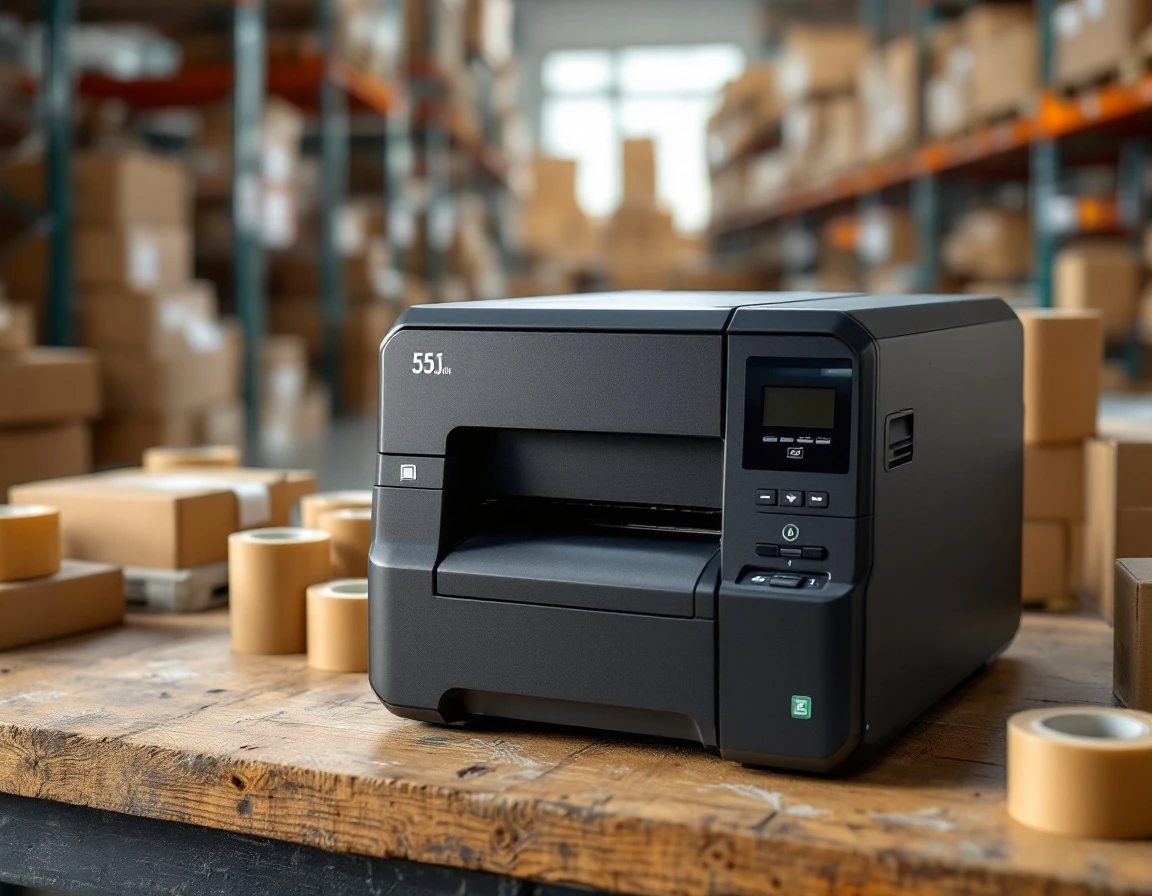
Specialized pack-and-ship POS platforms handle label generation in ways that generic retail systems simply can't match. A specialized system lets staff select dozens of outbound packages and print all labels with a single command—processing fifty or more shipments in seconds. Generic retail POS tools typically require purchasing labels from third-party vendors or cobbling together manual integrations with separate label software, adding steps and slowing the workflow.
Consider the July-through-September peak season scenario. A busy pack-and-ship store processing two hundred shipments daily needs batch printing to maintain throughput. Staff can apply customized label templates that meet brand standards, pull shipment data directly from inventory to prevent double-entry errors, and keep the counter moving even when the lobby fills with customers. A location handling twenty retail transactions per day doesn't face the same pressure, but the pack-and-ship environment demands systems built for shipping, not retrofitted retail tools.
The labor-hour savings become obvious during high-volume periods. Batch processing reduces per-label handling time, and integrated inventory prevents the duplicate data entry that causes shipping mistakes. Peak season throughput depends on systems built for shipping, not retrofitted retail tools.
Dimensional Weight & Rate Shopping
A single dimensional weight miscalculation can cost your store eight to fifteen percent per shipment—a margin hit that compounds fast during peak summer shipping. When carriers bill on whichever is greater, actual weight or dimensional weight, even a small box of lightweight items can trigger inflated charges if your system doesn't capture accurate package dimensions at checkout.
Specialized POS systems prevent this margin erosion by integrating dimension capture directly into the transaction flow. As customers complete their shipment at the counter, built-in scales and dimension tools feed measurements into the system, which then calculates billable weight across USPS, UPS, FedEx, and other carriers in real time. The cheapest option appears on screen, and the customer sees exactly what they'll pay before the label prints.
With USPS pricing increases and fuel surcharge volatility throughout 2026, static rate cards and manual lookups expose stores to outdated quotes that hurt both profit and customer trust.
Learn more about dimensional weight strategy.Real-time rate shopping isn't a convenience anymore—it's protection against the constant flux of carrier pricing during July through September, when volume peaks and every transaction counts.
Generic retail POS systems lack these integrations, forcing staff to measure packages separately, consult carrier websites, and manually enter rates—a process that introduces errors and slows checkout. When customers see transparent, instantly calculated rates on a screen, they understand they're getting the best available option. That transparency builds trust and brings them back when the next shipment arrives.
Automated dimension capture and dynamic rate comparison protect your margins, speed up checkout, and position your store as a reliable partner for customers navigating the complexity of summer shipping season.
Decision Framework for Mid-Year Evaluation
If you're running a pack-and-ship store in mid-2026, now is the time to audit your current POS system for pack and ship stores against the demands of peak shipping season. The July-through-September window brings heavy parcel volume, tight customer expectations, and little room for manual workarounds. A structured evaluation of your existing platform will tell you whether you need a full replacement, a shipping management integration. Or no change at all.
Audit Your System Against Five Core Features
Start with a checklist of essential capabilities:
- Integrated carrier APIs that pull live rates from USPS, UPS, FedEx, and DHL at checkout
- Batch label printing for fifty or more shipments without switching to a third-party tool
- Automatic package dimension capture and dimensional weight pricing
- Real-time carrier rate comparison displayed side by side
- Shipping log reports that track parcel volume, carrier usage, and margin by service type
For each missing feature, calculate the monthly cost. If you spend fifteen minutes per day manually comparing rates on carrier websites, that's six hours a month at your counter labor rate. If dimensional weight errors cost you three to five packages per week in margin loss, multiply that by your average shipping ticket. If batch label printing requires a separate software license and ten extra minutes of daily reconciliation, quantify both the subscription fee and the labor drag.
Replacement or Integration?
If your system is missing two or more of these features, a full POS replacement is likely justified before the July peak begins. The cumulative cost of manual workarounds—measured in labor hours, error losses, and slower checkout speeds—will compound during high-volume weeks. If you identify zero to one gap, consider adding a shipping management layer that integrates with your existing platform, preserving your current workflows while closing the feature deficit.
Project your Q3 parcel velocity against your current system capacity. If you handled one hundred fifty daily shipments last July and your platform required manual rate lookups or external label tools, expect the same friction this year unless you intervene now.
Request a demo of a specialized shipping POS to compare directly. See how modern POS systems with integrated carrier APIs, batch processing, and dimensional capture perform under realistic transaction volume. The best time to evaluate alternatives is before the counter gets crowded.