

Why Claims Fail: Common Mistakes Store Owners Make With Package Insurance Claims
When a customer reports a lost or damaged package, the clock starts ticking—and most store owners don't realize how quickly their window to recover closes. A solid package insurance claim guide can prevent rejections that happen every day, not because the loss wasn't real, but because of preventable errors in how the claim was filed.
The most common pitfall is missing filing deadlines or documentation requirements. Carriers impose strict timeframes—often 60 days for lost packages, sometimes as short as 15 days for damage—and require specific proof like original packaging, photos taken from multiple angles, or completed claim forms with tracking numbers and declared values. Skip one piece, and the claim is denied outright.
Store owners also stumble when they contact the wrong entity. If you purchased third-party insurance, filing with the carrier wastes days. If you're relying on carrier coverage, third-party insurers can't help. Understanding which policy applies is the first step.
Finally, incomplete damage evidence sinks claims. A single blurry photo or a vague description like "box was crushed" won't satisfy adjudicators who need to see the item, packaging materials, and shipping label together. These mistakes cost revenue, erode customer trust, and double your support workload when customers follow up repeatedly.
Documentation Checklist for Damaged Packages
The moment a customer reports damaged goods, your staff needs to act fast. What you document in those first few minutes determines whether the claim gets approved or denied. Before the customer unwraps bubble wrap, opens inner boxes, or throws anything away, your team should follow this checklist to capture everything carriers require for a successful damaged package claim process.
- Visual Documentation: Take clear photos of the outer shipping box from all angles, showing tears, dents, crushing, or water damage. Photograph the shipping label and any carrier damage notices or inspection stickers. Capture images of the inner packaging materials still in place, then document the damaged item itself with close-ups showing the specific defect or breakage.
- Required Documents: Photograph or photocopy the shipping label with tracking barcode visible. Record the full tracking number in your system. If the carrier left a damage report or inspection notice, scan or photograph it immediately. Note the carrier name and service level used for shipment.
- Information Capture: Write down the customer's name, contact information, and their description of the damage in their own words. Record the exact date and time they reported the issue. Document the item's declared value and original purchase price. This information packet becomes your claim foundation and protects both your revenue and the customer relationship when filed promptly.

Lost Package Filing Steps
Lost packages come with tighter deadlines than damaged shipments, and missing those windows can cost you the entire claim value. Each carrier sets its own thresholds for when a package is officially considered lost, and filing too early or too late can result in denial. Knowing the timeline, the right point of contact, and the documentation required for lost package insurance claim steps keeps your claim moving forward.
Determining Carrier Responsibility
Before you file, confirm who is financially responsible for the shipment. If you purchased the label directly from USPS, UPS, or FedEx, the carrier is your first point of contact. If you used a third-party shipping platform or purchased additional coverage through a shipper's insurance provider, check your policy documents to see whether you should file with the carrier first or go directly to the insurance company.
USPS considers a package lost after 15 days from the expected delivery date for domestic shipments. UPS and FedEx both require waiting periods that range from 10 to 30 days depending on service level and destination. Check the carrier's claim portal or contact customer service to confirm the exact threshold before initiating your claim.
Initiating the Claim with the Right Entity
Start by filing directly with the carrier that accepted the package. Log into their claims portal, provide the tracking number, and describe the situation. If the carrier denies the claim or if you hold a separate shipper's insurance policy, escalate to that provider with a copy of the carrier's decision and your original proof of value.
Submitting Complete Documentation
Lost package claims require tracking confirmation showing no delivery scan, proof of the shipment's declared value, and evidence of delivery attempts or lack thereof. Attach the original receipt, the customer's order confirmation, and any communication with the carrier about the missing package. Submit everything at once to avoid delays or requests for additional information later.

Carrier Responsibility Determination
Before you file a claim, identify which carrier handled the shipment and review the tracking scan history. USPS typically requires a 15-day waiting period before filing lost package claims, while UPS and FedEx allow claims after 10 to 30 days depending on the service level. The tracking record tells you where liability sits: if the last scan shows the package in transit at a carrier facility, file with that carrier. If tracking confirms delivery but the customer reports non-receipt, the carrier's delivery policies determine next steps.
Check whether you purchased shipping insurance directly through the carrier or through a third-party provider. Carrier-provided coverage means you file directly with USPS, UPS, or FedEx. Third-party insurance requires submitting your claim to that provider instead, following their documentation requirements and timelines. Misrouting a claim to the wrong entity delays resolution and risks missing filing deadlines that void coverage entirely.
Lost Package Claim Submission
Each carrier has its own claim submission process. USPS requires Form 1000-A. Which you can complete online through their Help Request system or at your local post office. You'll need the tracking number, shipping date, package value, and proof of payment. USPS typically responds within three to five business days with a claim number.
- UPS users log into their account and navigate to the Claims section under Customer Service.
- FedEx users access the Claims Center through their account dashboard.
- Both require tracking numbers, declared value documentation, proof of shipping cost payment, and a description of contents.
After submission, save your confirmation number and any email receipts. If you don't hear back within ten to fourteen days, contact the carrier directly using that confirmation number. Store owners with business accounts typically file claims on behalf of customers, though individual shippers may need to file their own claims depending on who holds the shipping account. Keep copies of all correspondence in your claim file.
Damage Claim Filing Process
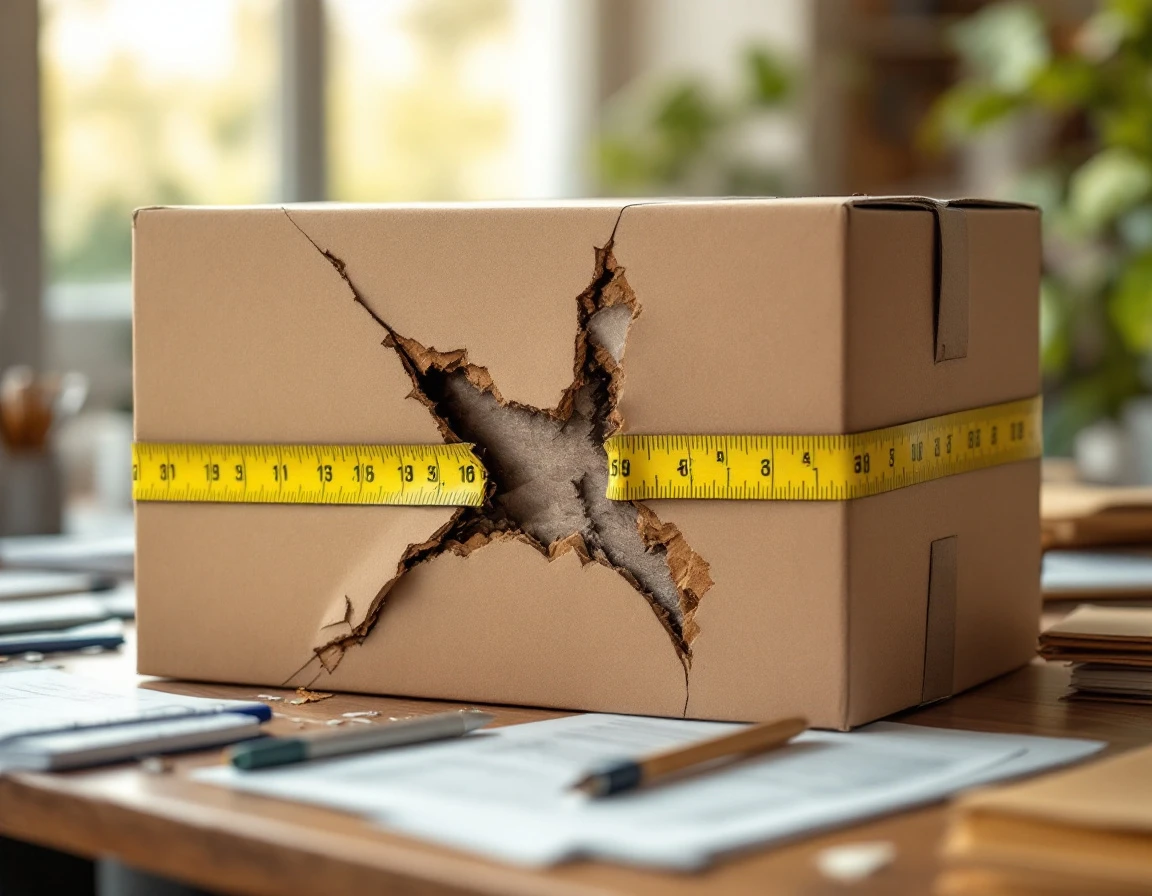
Filing a damage claim follows a different path than lost package claims. And the success of your claim depends on preserving evidence the moment the package arrives. Unlike lost packages, you typically have more time to file—most carriers allow 30 days from delivery—but the critical window for documenting damage is immediate. Before your customer opens the box or removes packing materials, capture photographic evidence of the exterior packaging, all damaged areas, and the item itself.
The claim amount calculation varies based on the type of damage. Carriers evaluate repair cost versus replacement cost, and some policies cover loss of use if the item was needed for a specific event or business function. Submit photos showing the damaged item from multiple angles, the shipping label with tracking barcode visible, and all original packaging materials. Include a detailed description of the damage and your valuation method—if you're claiming repair costs, full replacement value, or partial loss.
Most damage claims start with the carrier if you purchased their insurance at shipping time. Complete the carrier's damage claim form (available through their online portal or customer service), attach all photographic evidence, and submit your item valuation documentation such as receipts or invoices. If the carrier denies your claim or offers insufficient compensation, escalate to your shipper insurance provider if you purchased third-party coverage. As a final option, contact your credit card company if you paid shipping costs with a card that includes purchase protection benefits—many business credit cards cover shipping damage for 90 to 120 days.
Teaching Your Team the Process
A well-documented claim process only works if your team executes it consistently. When a customer reports a lost or damaged package, the staff member at the counter needs to know exactly what to do—not guess or improvise. Clear workflows prevent missed deadlines, incomplete documentation, and claim rejections that cost your store money and customer trust.
Structure your workflows by role. Customer service staff document immediately: they take photos, gather tracking numbers, and fill out a damage documentation form or lost package claim checklist before the customer leaves. Management handles the actual filing with carriers or insurers, following your package insurance claim guide to meet deadlines and submit all required forms correctly. This division keeps frontline staff focused on customer service while concentrating claims expertise with one person who stays current on carrier policy changes.
Provide templates and decision trees so staff can triage claims without hunting for information. A laminated checklist at the counter—covering questions like "Was the package insured?" and "Which carrier delivered it?"—guides staff through the first steps. Regular training sessions keep everyone updated on new filing deadlines, documentation requirements, and policy shifts from USPS, UPS, and FedEx. When your team knows the process cold, claims move faster and customers get made whole without added friction.
Recovery Timelines and Follow-Up
After filing, carriers typically issue claim decisions within seven to twenty-one days for standard cases. Complex situations requiring additional investigation or escalations may stretch to thirty to forty-five days. Understanding these windows helps you set realistic customer expectations and avoid repeated inquiries that drain support resources.
Proactive follow-up prevents claims from falling through the cracks. Contact the carrier on day ten if you haven't received an initial response, then again on day twenty-five if the claim remains unresolved. These touchpoints keep your claim visible in the carrier's queue and demonstrate diligence to your customer.
The waiting period is a trust-building opportunity. Send brief status updates to customers when you follow up with carriers. Even if the message is simply "still pending review." Transparency during uncertainty shows commitment to making them whole. Customers who see you fighting for their claim resolution become advocates for your store, turning a shipping mishap into a loyalty-building moment.