

The Cost of Inventory Misalignment
Running multiple store locations means juggling inventory across different systems—your POS in one location, e-commerce orders flowing in, shipping going out. When these systems don't talk to each other, you end up with inventory sitting on one shelf while orders ship late from another, costing you money and losing customer trust. This invisible problem isn't something you'll catch in a single report—it's margin leakage that happens quietly across every sale.
Store managers tell us the same story: inventory counts that don't match reality
Store managers at multi-location retailers tell us the same story: inventory counts look fine in the system, but when a customer wants to buy something, it's either already sold (and you didn't know it) or sitting three locations away. That's revenue walking out the door. During June peak season, the problem gets worse—orders sit unfulfilled at one location while duplicate stock languishes at another, turning what should be profitable sales into missed opportunities and shrinking margins.
Real-world: A 10-location specialty retail chain
A regional specialty retailer with ten locations discovered they were losing $8,000 each month. The problem wasn't obvious—it was spread across their POS system, online store, and shipping software. A customer order would come through e-commerce, but the warehouse staff didn't know which store location actually had the item in stock, so fulfillment slowed down and repeat customers got frustrated. No single report showed the true picture of available stock across all channels, leaving orders unfulfilled while identical products sat on shelves two locations away.
Unified Stock Visibility Through Integrated Inventory Management
When integrated inventory management syncs stock levels in real time, the visibility problem disappears. A customer purchases an item online at 2:00 PM, and ParcelPuffin's system instantly updates stock counts across every location. A store associate sells the last unit of a product at 3:00 PM, and your e-commerce platform immediately reflects that it's out of stock. This single source of truth eliminates ghost inventory—those phantom units that appear available in one system but were already sold through another channel.
The mechanics work like this: one order triggers one accurate stock deduction across all locations and channels simultaneously. Before integration, retailers commonly faced persistent stock-out problems because systems couldn't communicate with one another. After implementing real-time sync between POS, e-commerce, shipping, and fulfillment platforms, stock-outs become rare exceptions rather than routine friction points. Fulfillment time improves because staff no longer waste hours reconciling conflicting inventory counts or hunting for products that don't exist.
ParcelPuffin's integrated system also alerts staff when stock falls below preset thresholds, enabling proactive reordering before a stock-out occurs. Multi-location retailers using an inventory management system for retail stores gain another advantage: orders can be fulfilled from the nearest location with available inventory, reducing both shipping costs and delivery time. The result is faster order processing, fewer disappointed customers, and margins that stop leaking through inventory blind spots.
Preventing June Peak Season Overstock
June marks the inflection point where retailers face a double-edged sword: stock too much inventory for summer demand and you'll be running clearance markdowns by August; stock too little and you'll lose sales during your busiest weeks. Integrated forecasting tools break this cycle by analyzing historical sales data across every location and channel, projecting demand at the SKU level rather than relying on last year's aggregate numbers.
Automated reorder points adjust seasonally within unified inventory management systems for retailers. June thresholds reflect summer buying patterns—patio furniture, outdoor entertaining supplies, seasonal home goods—while January settings match post-holiday behavior. This prevents the working capital trap where excess inventory sits on shelves, tying up cash that could support faster-moving products.
A Michigan home goods retailer with four locations avoided $15,000 in summer clearance losses by using integrated demand signals. The system revealed that certain outdoor décor SKUs moved three times faster at their lakefront location than at inland stores. They adjusted allocations accordingly, preventing dead stock at underperforming sites while keeping high-demand items in stock where customers actually wanted them. Overstocking destroys margins twice: first through the capital cost, then through the clearance markdowns needed to move aged inventory.
Integration Roadmap for June Deployment
Retailers using integrated inventory management are ready for peak season traffic—their teams can fulfill orders faster and customers get what they want when they want it. Here's how the rollout typically works over four weeks, so you can have ParcelPuffin's multi-channel inventory management system fully operational when June volume hits.
Week 1: System Audit. Walk through your store and list every place inventory data lives—your POS terminals at the register, your e-commerce platform online, ParcelPuffin's shipping software, even those spreadsheets in the back office. You'll likely find 3-4 systems that should be talking to each other but aren't. Document where data currently lives and which systems talk to each other.
Week 2: Data Mapping. Standardize your SKU structure and location hierarchy across all channels. This step keeps synchronization clean when systems connect. A sporting goods chain with eight locations spent four days mapping product codes between their Shopify store and in-store POS—time well invested to prevent sync errors later.
Week 3: Pilot Deployment. Test the integration at one or two locations before rolling out company-wide. Monitor data accuracy, train staff on new workflows, and adjust settings based on real usage patterns.
Week 4: Full Rollout and Training. Deploy across all locations and conduct hands-on training sessions focused on ParcelPuffin's inventory visibility dashboards and multi-location fulfillment workflows. Staff adoption determines whether the system delivers its full value.
See how ParcelPuffin brings your inventory systems together and what a typical rollout looks like for stores your size.
Real-Time Fulfillment and Margin Recovery
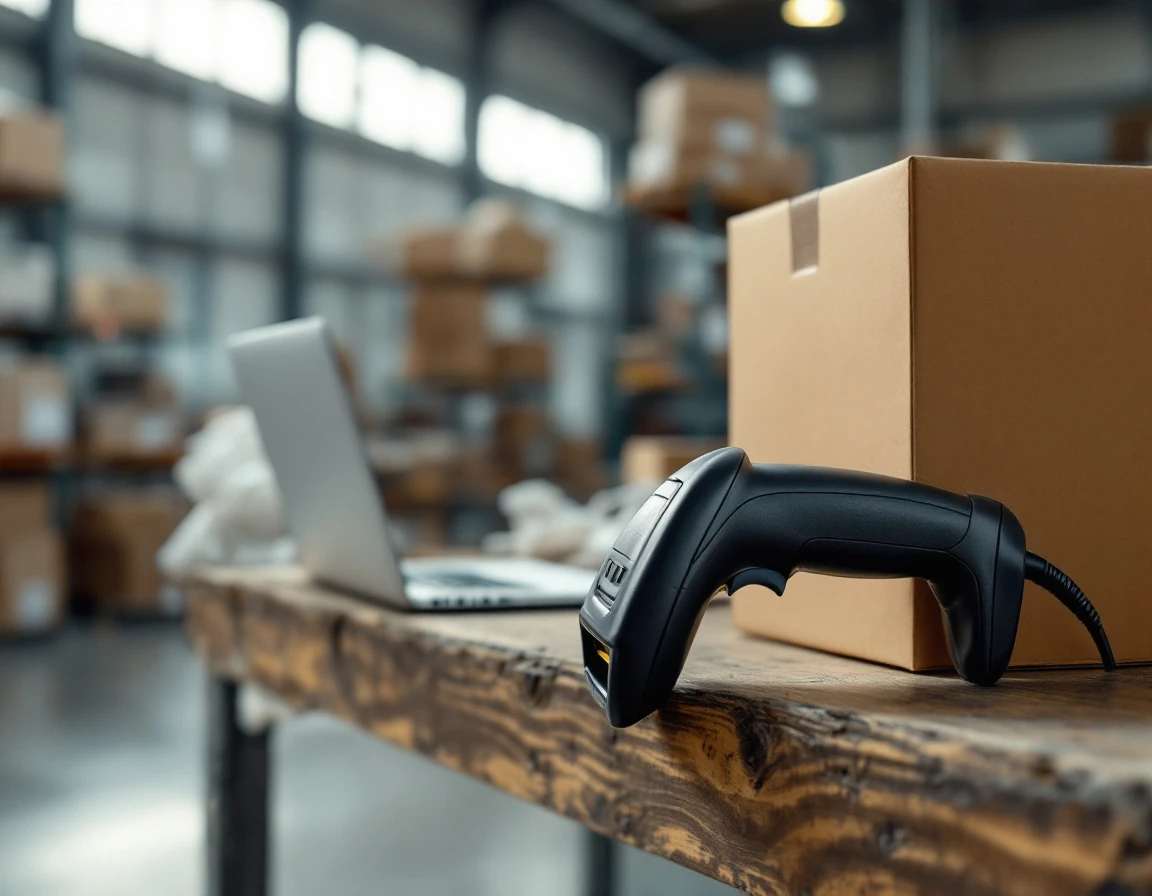
When a customer places an order, ParcelPuffin's system finds which of your locations has that item in stock and routes the order there automatically. During peak season when orders are flying in, this saves hours of staff time hunting for inventory and prevents the delays that frustrate customers. Same-day or next-day fulfillment becomes possible even when June volume surges.
When orders fulfill faster, your team spends less time handling angry customer calls about delays, and chargebacks from unhappy buyers stop eating into your bottom line. Accurate inventory prevents the emergency expedited shipping and rush fees that appear when you discover a stock-out mid-order. A home goods retailer running ten locations saw a 12–18% margin improvement in the first 90 days by combining reduced stock-outs with faster fulfillment—eliminating expediting costs, cutting chargebacks, and lowering customer acquisition cost as fulfilled orders drove repeat business.
This system delivers the greatest return during high-volume periods—the exact moment your business needs it most.