
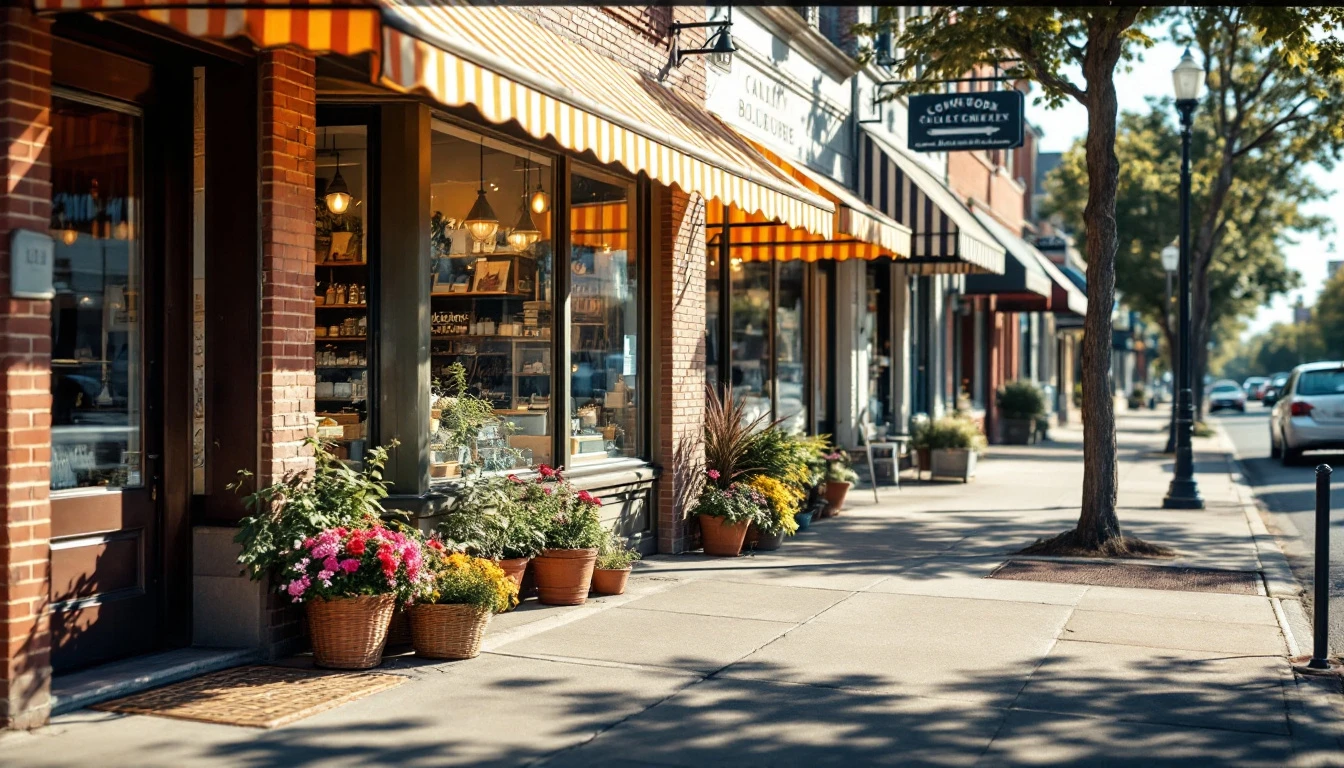
Summer Slowdown Reality for Retail
Most retail stores see foot traffic drop between Memorial Day and Labor Day as customers shift spending to vacations and outdoor activities. Understanding how to increase retail foot traffic during summer months is critical for independent retailers facing this seasonal challenge.
July–August foot traffic typically declines during the summer months.
Summer represents the toughest retail period for independent stores. As customers redirect spending toward vacations, outdoor activities, and the convenience of online shopping, in-store visits decline sharply during July and August. This seasonal shift creates a predictable revenue challenge.
The real pressure comes from your fixed costs. Rent, utilities, and payroll don't decrease when foot traffic slows. Every quiet afternoon still carries the same overhead burden as your busiest Saturday, compressing margins unless you actively drive customers through the door during these slower months.
Small retailers with limited marketing budgets
When fixed costs consume most of your operating budget, waiting for foot traffic to recover isn't a viable strategy. Small retailers need deliberate, low-cost tactics that drive customers through the door during July and August—flash promotions, pop-up collaborations, and neighborhood partnerships that create reasons to visit now.
Flash Promotions and Limited-Time Offers to Drive Summer Foot Traffic
Flash promotions work because they create artificial urgency that pulls forward purchases customers would otherwise delay until fall or move online. A well-structured promotion campaign can drive midday traffic during traditionally slow hours and push average transaction values higher without training your customer base to wait for discounts.
The most effective promotion formats for July and August align with back-to-school prep. Summer weddings, and outdoor gatherings. The following formats perform well:
- Buy-one-get-one deals on high-margin items like greeting cards, gift wrap, or small electronics accessories
- Tiered discounts tied to basket size—10% off purchases over $30, 15% off over $50—that encourage customers to add one more item rather than leave with a single purchase
- Hourly flash deals announced the morning of via email or social media that bring midday foot traffic when your counter would otherwise sit quiet
The critical rule: cap discounts at levels that protect margin while still creating urgency. Deeper discounts train customers to wait for sales and rarely drive proportional volume increases.
Mark promotion dates on a calendar and count foot traffic before and after each campaign. If your Tuesday flash deal brings twelve customers instead of the usual seven, you have a baseline for repeating what works and cutting what doesn't.
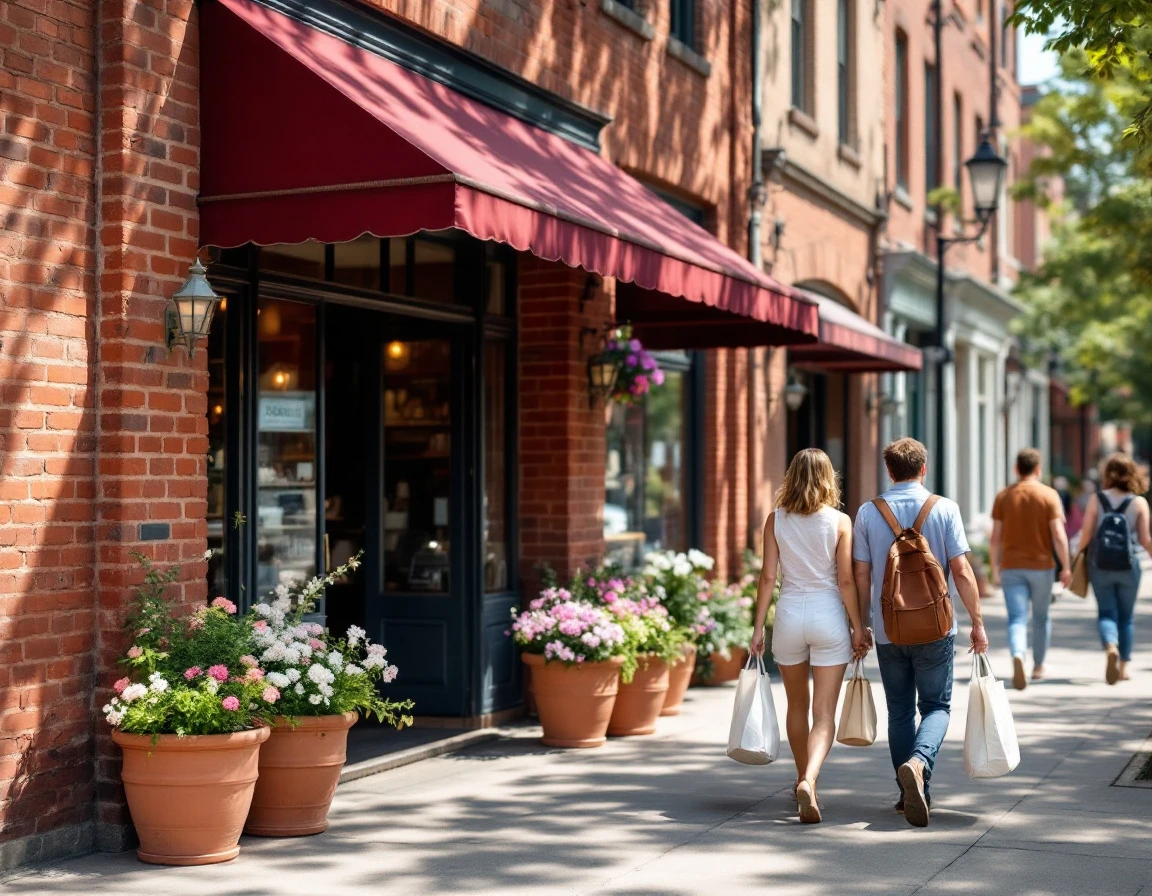
Low-Cost Summer Events and Pop-Ups
Events pull people into your store when normal traffic slows, giving you a reason to reach local media and post on social without paying for ads. Summer creates natural event hooks: outdoor markets, community festivals, back-to-school prep, and tourism peaks in many neighborhoods. The goal isn't to profit from the event itself—it's to convert attendees into repeat customers who return for your core services.
Three templates work for stores with tight budgets:
- A two-hour vendor pop-up partners you with a local artisan or complementary retailer who brings their own merchandise and shares setup duties. You provide the space and foot traffic; they handle their own sales. Required materials include simple signage and a refreshments budget under fifty dollars.
- A workshop or demo tied to summer needs—packing clinics for college dorm shipments, outdoor gear setup demonstrations, or wardrobe organization for travelers—positions your staff as experts and requires minimal supplies beyond what you already stock.
- A weekend flash market or sidewalk sale on Friday and Saturday capitalizes on natural weekend foot traffic peaks, using sidewalk space you already control.
For each event, start promotion two weeks out. Check permit requirements with your city clerk's office, send a brief pitch to local news outlets and community calendars, and schedule three social posts per week leading up to the event. Staff one or two employees during the event window to handle both event duties and regular customers. Track foot traffic before and during the event to measure lift. Community partnerships—covered in the next section—help split costs and expand your reach without additional marketing spend.
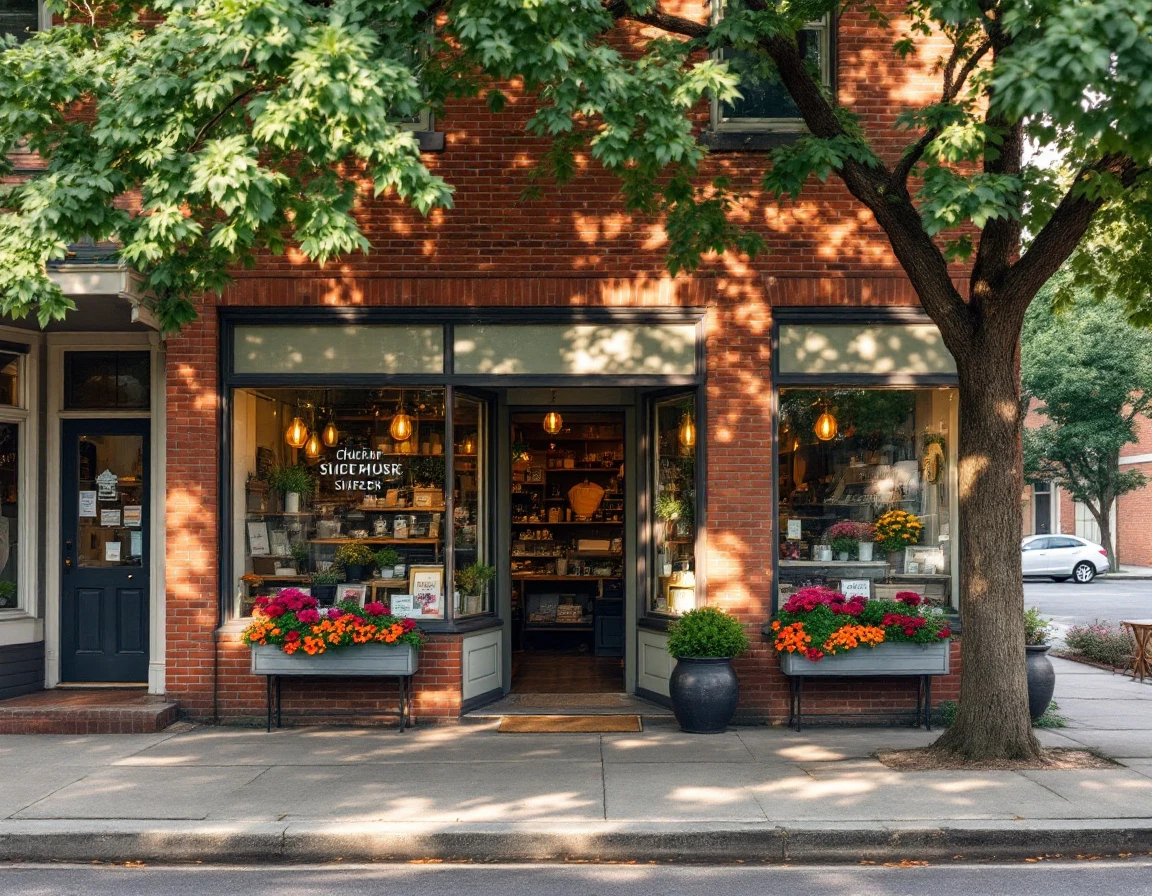
Community Partnerships and Local Engagement
Partnerships with schools, sports leagues, corporate offices, and nonprofits deliver foot traffic at minimal cost because the relationship works both ways. Your store promotes their mission, event, or employee program. They direct members, families, or staff to your location. One outreach email to a youth soccer league or nearby office building can generate twenty transactions in a single weekend—no ad spend required. Community engagement marketing for small retail creates sustainable customer traffic without relying on paid advertising alone.
Start with partnerships timed for July and August, when families prepare for back-to-school and fall sports registration, or when offices seek to engage employees during slower summer months.
A school and sports league partnership works by sending a one-page partnership brief to five local schools or league coordinators offering a team discount day (10% off shipping and school supplies for families who show a registration receipt) or a school supply drive where you donate a percentage of sales during a designated week. Expected timeline: most coordinators respond within one week, and traffic arrives within two to three weeks once they announce it via email or team app. Track results with a simple redemption code or sign-in sheet at checkout.
A corporate office partnership works similarly. Email nearby businesses offering a lunch-and-learn event (fifteen-minute overview of your services in their break room) or an employee discount program (15% off with employee badge). Offices with fifty or more employees typically generate ten to fifteen transactions per month once the program launches. Track participation with a dedicated promo code tied to each company.
Nonprofit co-promotion builds loyalty while driving traffic. Partner with a local charity for a fundraiser day where you donate 10% of sales, or run a donation-matching campaign during their summer event season. Nonprofits promote the event to their donor base, and you gain access to a motivated audience already inclined to support local businesses. Most partnerships move from initial contact to live promotion in two to three weeks, making this a realistic tactic for late July or early August implementation.
Measurement and 90-Day Action Plan
Tracking which tactic drives the most foot traffic tells you where to spend time and budget during your next slow month. The simplest tracking method requires no software investment: assign each promotion, event, or partnership a unique code or hashtag, ask staff to tally foot count during promotion windows, and capture repeat-visitor data at checkout using phone numbers or email addresses. A one-page spreadsheet with five columns—date, tactic type, estimated foot count, conversion rate, and revenue impact—reveals ROI within thirty days and shows which levers move traffic in your market.
Use a rolling ninety-day calendar to test and scale tactics before fall arrives. In weeks one and two of July, launch your first flash promotion and reach out to one local partner. During weeks three and four, execute your first event and measure attendance against foot traffic baseline. In August, scale the top performer from July and test a second tactic using the same tracking framework. By September, you'll know which combination of promotions, events, and partnerships works for your customer base, giving you a repeatable playbook for the next seasonal slowdown.
Measurement isn't about perfection—it's about learning what works. Select one tactic to launch this week, track it for thirty days using redemption codes or sign-in sheets, then add a second tactic based on early results.
Modern POS systems automate traffic and revenue tracking by tagging transactions to specific promotions. Eliminating manual tallies and surfacing patterns faster than spreadsheets alone.