
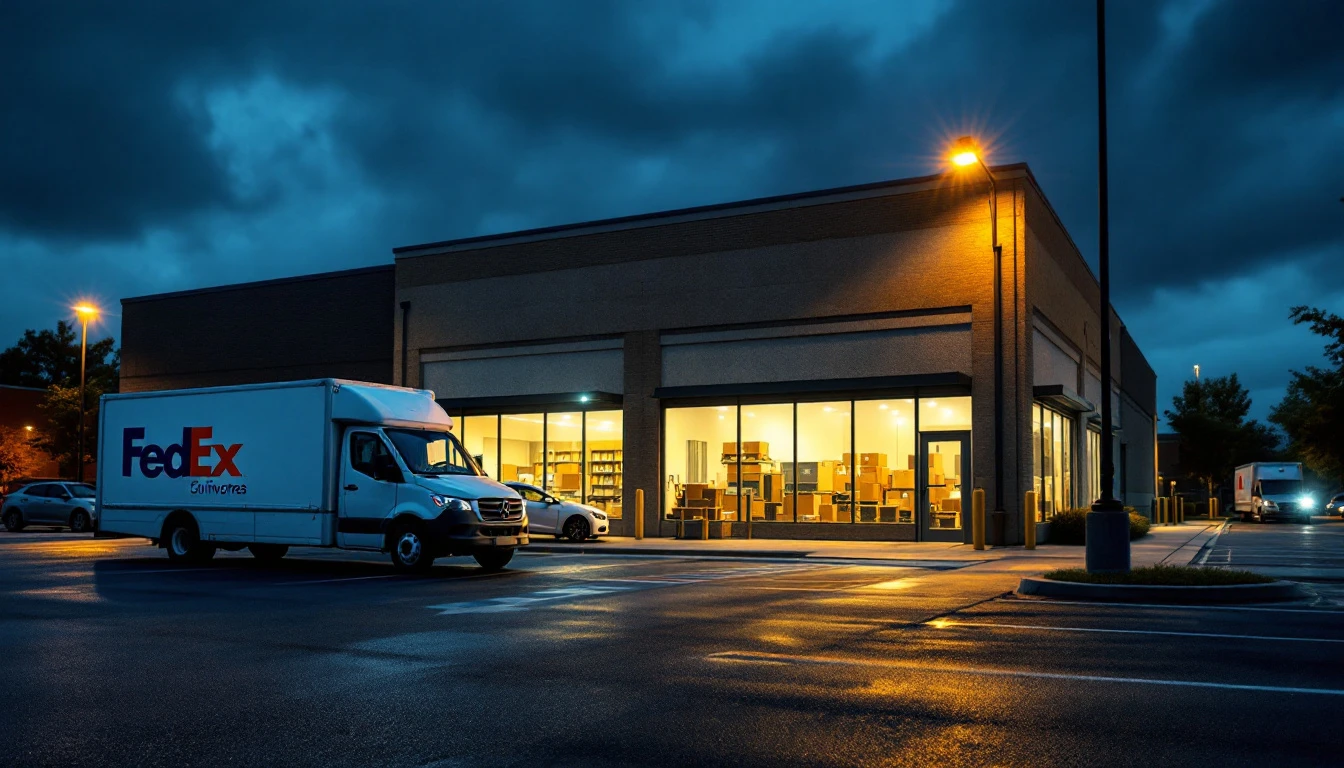
FedEx Shipping Center Closures: August 2026 Disruption Impact
When FedEx announces facility closures in your area, the immediate threat isn't just lost transaction volume—it's the risk of customers discovering the news before you do. August 2026 closures arrive with a 60-day lead-up to peak shipping season, a window when customers are already planning holiday fulfillment and year-end volume.
FedEx Shipping Center Closures can damage customer trust faster than any single lost shipment if your store doesn't communicate proactively.If your store doesn't communicate proactively, customers will assume you're unprepared or unaware, and that perception damages trust faster than any single lost shipment.
FedEx facility closures eliminate local pickup and drop-off options, forcing customers to either travel farther or switch carriers entirely. The location closures and shipping impact extends beyond FedEx transactions themselves. Competitors who position alternative carriers early—highlighting UPS, USPS, or DHL options with clear pricing and service comparisons—capture defecting customers who might have stayed loyal if presented with solutions instead of silence.
Peak shipping season amplifies every misstep. August through December represents the bulk of annual shipping revenue for most pack-and-ship stores, and customer defection during this period often becomes permanent. Without a clear communication and contingency plan, closures become customer-facing failures rather than manageable service transitions.
Communication Timeline: 30-60 Days Before & After Closure
A structured communication timeline protects revenue by keeping customers informed and confident during service transitions. Break your preparation into three distinct phases, each with specific messaging and operational checkpoints that address customer concerns before they turn into defections.
Phase 1: Internal Preparation (Days 1-7)
Before customers hear anything, confirm the closure details directly with your FedEx account representative. Document exactly which services will be unavailable, for how long, and whether alternative drop-off locations exist within reasonable distance. Use this week to contact UPS and USPS about expedited account setup or service expansion. Negotiate any rate adjustments or pickup schedule changes you'll need to handle increased volume. Identify which of your current FedEx customers ship time-sensitive materials, high-value packages, or use specialized services like SameDay City that may not have direct equivalents with other carriers.
Phase 2: Customer Notification (Days 8-30)
Launch your notification strategy as soon as alternative arrangements are confirmed. FedEx has been notifying customers by email about Ship Center closures, so don't wait for corporate communications to reach your clients first. Send a direct email to all customers who've used FedEx services in the past six months with the subject line: "Important Update: FedEx Service Changes at [Your Store Name]." Place printed notices at the counter, on the door, and near the shipping rate calculator. For customers who ship weekly or spend over $200 monthly, make personal phone calls. Your message should name the closure, confirm your store remains open, and list specific alternative carriers you've arranged. Script example: "FedEx services will be unavailable starting August 15. We've expanded our UPS and USPS options to give you the same reliability and pricing you expect."
Phase 3: Transition Management (Days 31-60)
Monitor service quality closely during the first month after closure. Track any delivery delays, pricing complaints, or service gaps. Offer a one-time courtesy rate comparison for loyal customers to demonstrate your commitment to cost savings. Deploy recovery tactics immediately if customers express frustration—waive packing fees, provide free insurance on the next shipment, or offer expedited service at ground rates.
Alternative Carrier Negotiation & Setup
Before customers hear anything about how to handle FedEx service disruptions, contact USPS, UPS, and regional carriers to negotiate volume discounts and service level guarantees. This timing gives you negotiating power—carriers know you're comparing options—and lets you announce alternatives alongside closure news rather than scrambling after complaints start rolling in.
Test each carrier's integration with your POS system before finalizing agreements. If your platform can't pull live rates or print labels for a backup carrier, you lose the real-time comparison advantage that keeps customers coming back. Run test shipments to confirm label formats, tracking feeds, and rate accuracy match what customers see at checkout.
Establish pickup schedules and drop-off windows with backup carriers that mirror the convenience FedEx provided. If customers could drop packages until 6 PM for next-day processing, negotiate similar cutoff times with USPS or UPS. Matching service windows preserves the operational rhythm customers rely on.
Customer Communication Scripts & Messaging
Once carrier agreements are in place, deploy ready-to-use messaging across email, phone, and in-store signage. Frame the closure as an enhancement: "We're expanding your shipping options with USPS Priority Mail and UPS Ground, giving you better rates and faster delivery choices than FedEx alone." This positions the change as competitive advantage, not limitation.
For email templates, segment by customer type. High-volume customers receive personalized notes offering one-on-one consultations: "Let's schedule 15 minutes to review your shipping needs and lock in volume discounts with our new carrier partnerships." One-time shippers get concise reassurance: "All FedEx services now available through UPS and USPS—same convenience, better pricing." Customers who relied on FedEx overnight need specific alternatives highlighted: "UPS Next Day Air and USPS Priority Mail Express both deliver by 10:30 AM."
Phone scripts follow the same structure: acknowledge the change, present alternatives immediately, and offer assistance. In-store signage uses visual carrier logos with rate comparisons showing cost savings. Every touchpoint reinforces transparency and solution-focused language to prevent defection before it starts.
Service Recovery & Loyalty Tactics
The sixty-day transition window isn't just a period of operational adjustment—it's when customer loyalty is earned or lost. Deploy targeted retention promotions tied directly to your POS system to protect long-term revenue. Offer first-month discounts on alternative carriers for customers switching away from FedEx, or bundle services together at reduced rates. A typical approach might be a ten-percent discount on UPS or USPS shipments for the first thirty days, tracked automatically through your system.
Use your POS to segment customers based on their shipping behavior during the transition. Tag which customers shift to USPS, which choose UPS, and which reduce their shipping volume. This data becomes your foundation for re-engagement campaigns if FedEx service returns to your area—or for identifying at-risk customers who need personalized outreach before they defect entirely.
Document every closure-related challenge you solved and turn those stories into marketing assets.
When you help a customer navigate an international shipment to a new carrier or expedite a time-sensitive package through an alternative service, capture that case study.Use these examples in social media posts, email campaigns, and new-customer outreach to demonstrate your store's reliability under pressure. The crisis becomes proof that your business adapts when customers need you most—a competitive differentiator that builds trust and drives customer lifetime value long after the disruption ends.
Post-Closure Operations & Next Steps
The work doesn't end once customers accept the new carrier mix. The stores that turn disruption into competitive advantage are the ones that measure what happened, capture the lessons, and prepare for future changes. Start by scheduling a 60-day post-closure business review to assess the real impact on your store. Pull transaction data from your POS system and compare customer retention rates, revenue by carrier, and average transaction value before and after the closure.
Track specific metrics that reveal where your business strengthened or weakened: customer churn segmented by preferred carrier, repeat visit frequency, and which shipping services (overnight, international, freight) gained or lost volume. These numbers tell you which alternatives resonated with customers and which segments need follow-up outreach or adjusted messaging.
Update your digital presence immediately to reflect the new reality. Refresh your Google Business Profile. Website service pages, and local directory listings with current carrier partnerships and service options. Outdated information creates confusion and sends customers elsewhere.
Finally, document your contingency process while it's fresh. Build a shipping center closures business continuity plan that includes backup carrier contacts, rate negotiation templates, and communication timelines you can activate quickly during future disruptions. As FedEx's Network 2.0 transformation continues to shutter locations across the country, stores that treat closures as learning opportunities rather than one-time crises build resilience that pays off for years.