

Fast Pack and Ship Solutions for Summer Volume Bottlenecks
Summer brings peak shipping volume to retail stores, creating pressure at every stage of the pack-and-ship workflow. Fast pack and ship solutions address this seasonal challenge by automating the manual handoffs that slow down fulfillment when order volume spikes in July and August.
Disconnected tools and manual processes
When orders pile up in July and August, stores using separate systems for inventory checks, carrier rate lookups, and label printing face compounding delays at every step. Each handoff between platforms adds seconds that multiply across hundreds of daily shipments. Manual carrier selection becomes a bottleneck when staff compare rates on three different websites before generating a single label.
The summer surge reveals how labor-intensive these fragmented workflows really are, turning what should be quick fulfillment into time-consuming admin work that slows the entire operation.
Multi-tool workflows increase error rates
Switching between carrier websites, spreadsheets, and label printers creates multiple points where addresses get mistyped, shipping methods get mismatched, or tracking numbers fail to save—errors that multiply during high-volume days.
Carrier Integration Checkpoint
The first automation checkpoint eliminates the bottleneck most retailers face dozens of times per day: comparing carrier rates. Instead of opening separate browser tabs for USPS, UPS, FedEx. And regional partners, ParcelPuffin consolidates every option into a single interface. You enter package dimensions and destination once, and the platform pulls real-time rates from all available carriers instantly.
This checkpoint automates routing decisions based on weight, destination zone, and service level. When a customer chooses ground delivery, the system selects the most cost-effective carrier without staff intervention. Real-time rate updates protect margins by surfacing current pricing—no more discovering mid-shift that a carrier increased zone fees.
The time savings add up quickly: this checkpoint cuts two to three minutes per shipment from the fulfillment cycle. Faster carrier selection means faster label generation, which translates directly to faster ship-out. For stores processing forty packages daily, that's up to two hours recovered. Explore ParcelPuffin's shipping features and multi-carrier rate comparison to see the integration in action.
Batch Processing and Label Automation
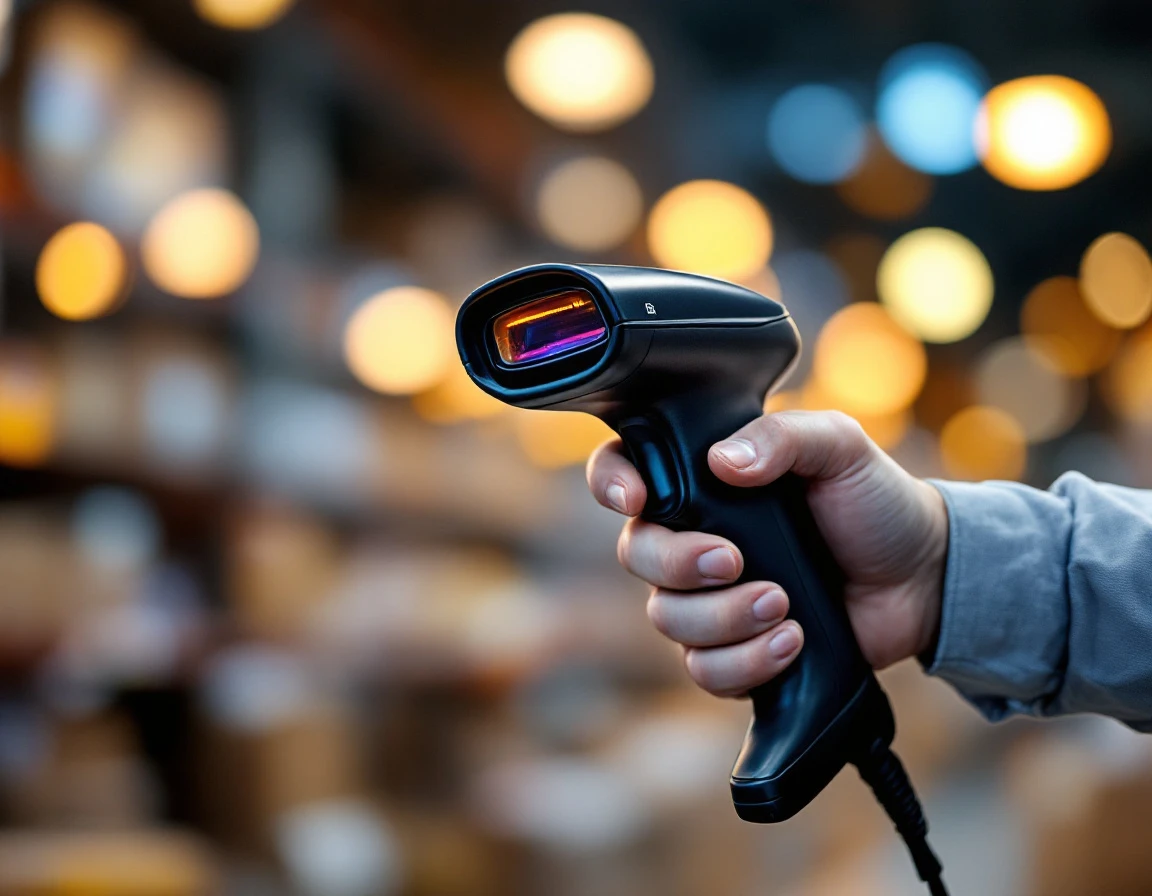
Once carrier selection is locked in, the next checkpoint is batch processing—grouping orders into batches so you can print labels in a single workflow rather than handling each shipment individually. ParcelPuffin consolidates label generation for multiple orders at once, cutting the time needed to print 50 labels from around 20 minutes down to 3 minutes.
This parallel printing workflow eliminates the manual entry errors that trigger rework and shipping delays. Instead of typing address details one at a time, the platform auto-populates label data from orders already in the system. Staff simply select the batch, review for accuracy, and send everything to the printer in one click.
Consider a retail store facing a 1,000-order surge in July. With batch processing, that volume becomes manageable—process orders in groups of 50 throughout the day. Accelerating throughput and freeing up labor hours for customer service. The efficiency gain is visible within days and immediately deployable, making this checkpoint a fast win during peak season.
Real-Time Inventory Synchronization
The third automation checkpoint connects packing workflows directly to live inventory counts. When stock levels update in real time across your POS, warehouse, and shipping systems, your team knows exactly what's available before they promise a delivery date or print a label. ParcelPuffin syncs inventory data as items move from shelf to box, so the same SKU can't be oversold while orders are being packed.
When inventory updates automatically as each label prints, your staff eliminates the wait time spent verifying stock before they commit to shipping timelines.
This centralized visibility prevents the mid-fulfillment surprises that derail peak-season operations: discovering you've already shipped the last unit of a popular item, scrambling to recount stock manually, or canceling orders after customers have already received confirmation emails. Learn more about integrated pack and ship services that keep fulfillment moving.
30-Day Implementation Roadmap
Retailers managing 500 to 5,000 monthly shipments can deploy ParcelPuffin's integrated platform in four weeks—well before the July peak hits. This timeline has been tested across mid-size operations and delivers measurable results when executed during the early June through early July window.
- Week 1: Configure carrier integrations and run test batches. Connect your USPS, UPS, FedEx, and regional carrier accounts, then process 20–30 test orders to confirm rate pulls and label formatting. Track setup time and note any API authentication issues.
- Weeks 2–3: Run parallel workflows using both your legacy process and ParcelPuffin simultaneously. Process the same orders through each system and compare labor hours, average ship-out time, and error rate. This validation phase confirms speed gains before full cutover.
- Week 4: Complete the transition and measure results. Monitor labor hours saved per 100 shipments, average turnaround time from order receipt to carrier pickup, and mislabeling or inventory discrepancies.
Ready to start your deployment? Schedule a demo or review pricing options to see how ParcelPuffin fits your operation.

ROI Benchmarks and Measurement
Small-to-mid-size North American retailers managing 500 to 5,000 monthly shipments typically see shipping turnaround time drop measurably after implementing ParcelPuffin's integrated workflow. That translates to labor savings of 15 to 20 hours per week per 1,000 orders—time that can shift to customer service or fulfillment prep.
To calculate your own labor savings, divide your current weekly fulfillment hours by the new throughput rate. For example, if your team spends 30 hours processing 1,000 orders today, automation can reduce that to 18 to 21 hours—freeing up nearly a full workday.
The payback period for stores in this volume range runs six to eight weeks, making deployment before the July-August peak a practical investment.The operational gains compound quickly once staff no longer toggle between disconnected tools during high-volume surges.