
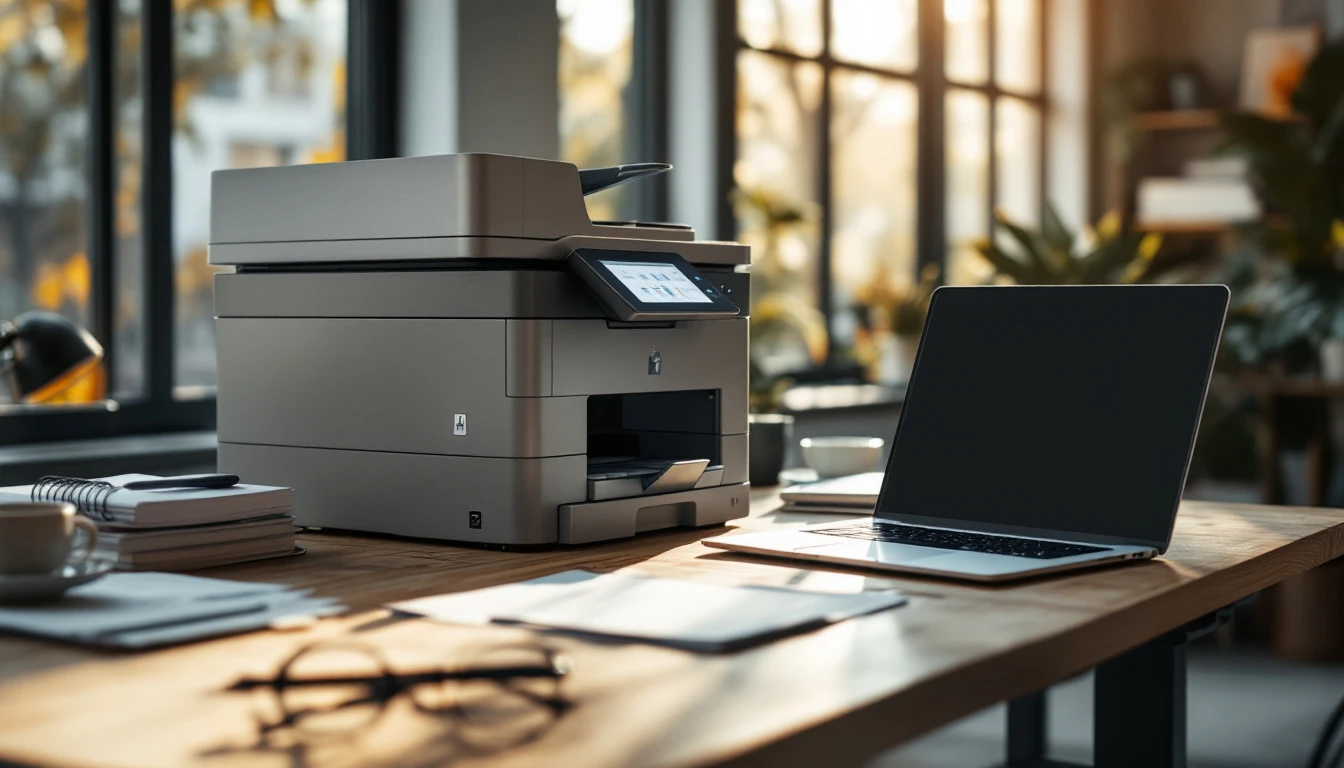
Digital Transformation Demand Surge
Enterprise digital transformation budgets continue climbing through 2026, and document scanning services business sit at the center of that spending wave. Organizations across every sector are digitizing paper records to support remote work policies, cloud storage migrations, and automation initiatives. This creates consistent demand for businesses that can convert legacy files into searchable, compliant digital formats.
Large scanning companies have locked down Fortune 500 accounts with multi-year contracts and dedicated infrastructure. But the mid-market tells a different story. Small medical practices, regional law firms, accounting offices, and local government agencies need the same digitization services without the enterprise price tags or minimum volume requirements. These underserved segments represent high-margin opportunities for new entrants who can deliver quality scanning with faster turnaround times and flexible pricing structures.
Healthcare, legal, and financial services face particularly strict compliance mandates around data retention and security. HIPAA, GLBA, and industry-specific regulations mean these organizations can't simply scan documents themselves—they need certified processes, chain-of-custody documentation, and secure destruction protocols. That compliance layer creates recurring revenue potential. Since clients return whenever new files accumulate or retention schedules trigger re-scanning projects. Entering this market in September 2026 means stepping into sustained demand fueled by both regulatory pressure and operational necessity.
Equipment ROI and Setup Costs
Your go/no-go decision hinges on understanding the capital outlay and payback timeline. Scanner hardware, software licenses, and compliance certifications account for the bulk of startup capital—typically representing three-quarters or more of your initial investment. At competitive pricing levels, most scanning startups recover this investment within twelve to eighteen months, making it one of the faster payback cycles in service-based businesses.
For startups, mid-range scanning equipment processing fifteen to thirty pages per minute offers the best entry point. Enterprise-grade systems cost more upfront and deliver speed you won't need until you've secured consistent contracts. Budget scanners lack the reliability and throughput required to maintain service agreements with professional clients. Mid-range models strike the right balance: they handle healthcare records, legal discovery batches, and financial archives without the price tag that inflates your break-even threshold.
Software layers deserve careful evaluation because they determine your operational margins and recurring revenue potential. Optical character recognition converts scanned images into searchable text—a feature healthcare and legal clients often require and will pay premium rates to access. Workflow automation reduces manual file handling, letting one operator manage multiple scanning stations. Data security certifications open doors to regulated industries but require annual renewals and vendor compliance audits.
When mapping your equipment roadmap, start with a single mid-range scanner and basic OCR software. This baseline setup keeps your initial capital deployment within reach while proving your service model. Add automation and advanced security features only after landing your first three to five contracts. This phased approach protects cash flow during the critical early months and positions you to scale profitably as demand grows. Rather than locking capital into capabilities you can't yet monetize.
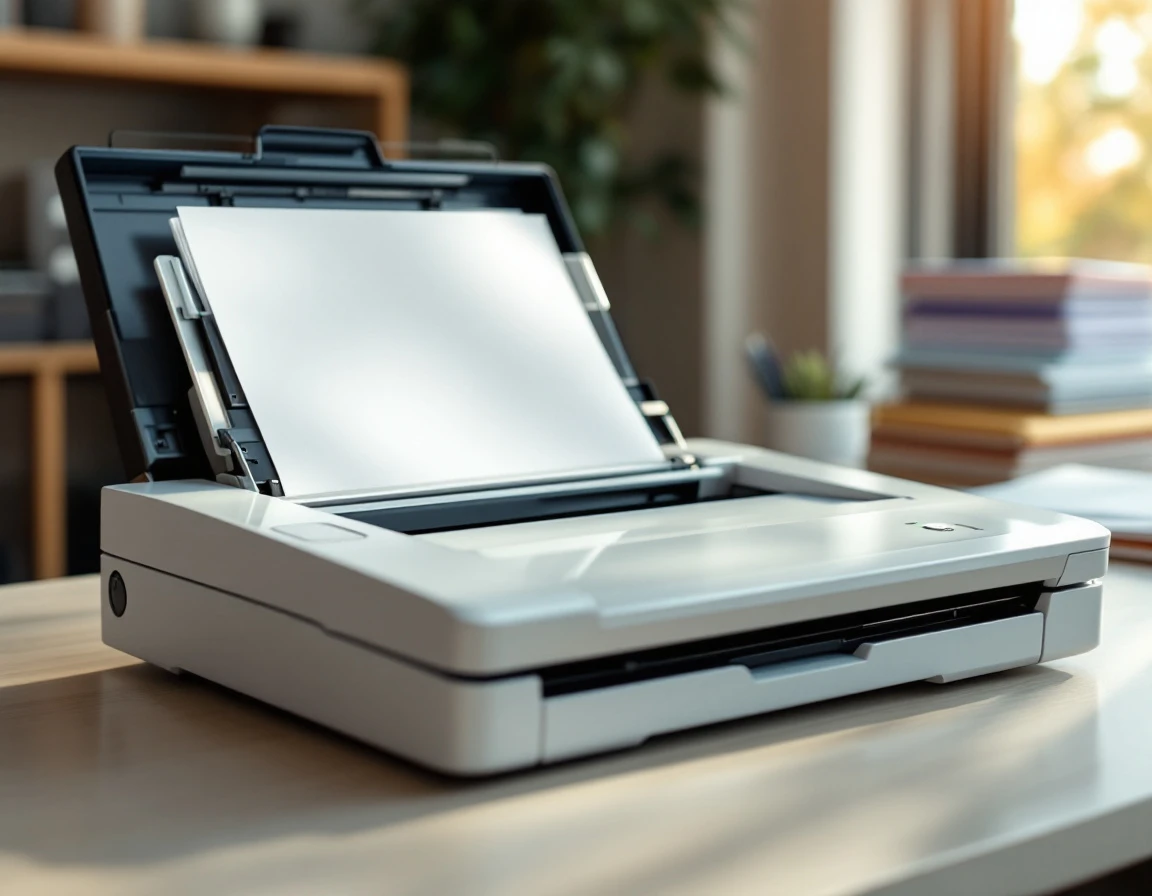
Scanner Equipment Selection
For most document scanning services startups, duplex scanners rated at 15–30 pages per minute represent the ROI sweet spot. These mid-range models balance throughput with capital cost, handling both small client batches and larger projects without tying up tens of thousands in equipment that sits idle between jobs. Expect to pay between $1,200 and $3,500 per unit depending on feature set and durability ratings.
Focus on three specifications when comparing models: auto-feed capacity (50-sheet minimum for efficient batch work), color accuracy for archival-quality output, and connectivity options that support both networked and mobile operation. Portable scanners priced around $400–$700 extend your competitive reach by enabling on-site scanning at client facilities, a service tier that commands premium rates and differentiates your business from competitors limited to in-office workflows.
OCR and Workflow Integration
Choosing the right OCR software determines your automation capability and recurring revenue potential. Open-source options like Tesseract offer zero licensing costs but require technical expertise to maintain and lack vendor support. Commercial platforms such as ABBYY FineReader and Adobe Acrobat Pro deliver higher accuracy on complex documents and provide regular updates, justifying subscription fees you can pass through to clients as managed service agreements.
Integration with cloud storage platforms and client management systems creates the service differentiation that retains accounts long-term. When your workflow automatically routes scanned invoices to a client's QuickBooks or pushes medical records into their EHR system, you become embedded in their operations rather than a one-time vendor. This connectivity justifies premium pricing and reduces client churn, turning scanner hardware into a foundation for recurring monthly revenue.
Market Positioning and Target Segments
Not all document scanning clients deliver the same return. Healthcare practices, legal firms, and financial services organizations represent the fastest path to profitability, with payback periods typically falling between eight and twelve months. These verticals face compliance mandates—HIPAA, legal discovery requirements, SEC recordkeeping rules—that create non-negotiable demand for digitization services. Price becomes secondary to turnaround speed, data security, and audit-ready output.
Real estate agencies, tax preparation firms, and franchise operations form a strong secondary tier. These clients handle predictable scanning volumes tied to transaction cycles and seasonal filing deadlines. They show less price sensitivity than retail consumers or general office clients, and they value reliability over rock-bottom rates. A tax firm processing W-2s in February or a real estate office digitizing closing documents appreciates fast turnaround and consistent quality enough to pay premium pricing.
The segmentation matrix below shows approximate payback periods by vertical, assuming mid-range equipment deployment and competitive pricing:
Healthcare, legal, financial services: 8–12 months | Real estate, tax prep, franchises: 12–18 months | General small business, retail: 18–24+ months
Avoid competing head-to-head with established scanning centers on volume pricing for commodity work. Instead, differentiate through compliance expertise—understanding retention schedules, redaction requirements, and audit protocols—or offer client-site scanning to eliminate chain-of-custody concerns. Speed matters more than cost when a law firm needs discovery documents by Monday morning or a medical practice faces an audit.
Competitive Pricing Models
Your pricing strategy determines whether you win contracts, protect margins, or watch clients defect to cheaper competitors. The document scanning services market supports three distinct pricing models, and choosing the right one depends on client volume, project complexity, and your competitive positioning. Each model has a different margin profile and serves a different segment of the market.
Per-page pricing remains the standard for commoditized volume work. Rates typically range from $0.10 to $0.25 per page, depending on document preparation requirements, color versus black-and-white, and turnaround time. This model works well for one-off projects and clients who shop on price, but it exposes you to margin compression when competitors undercut on rate. Use per-page pricing to fill capacity gaps, but don't build your business around it.
Subscription and retainer models deliver recurring revenue and client lock-in. Monthly contracts ranging from $500 to $2,500 work best for clients with predictable scanning volume — medical offices processing patient records, law firms digitizing discovery documents, or real estate agencies converting lease files. Subscriptions smooth your cash flow, reduce client acquisition costs, and make your business more attractive to lenders or buyers.
Bundled pricing protects margins against aggressive competitors by packaging scanning with OCR, cloud storage, indexing, and document retrieval. Clients pay for outcomes — searchable archives, compliance-ready files, integrated workflows — rather than page counts. Bundling also creates switching costs: once a client's team relies on your indexed archive and retrieval portal, they're less likely to move to a discount provider.
Compliance certifications justify premium pricing. HIPAA-compliant scanning for healthcare clients or SOC 2 certification for financial services providers command price premiums well above standard rates, because competitors without those certifications can't legally serve those clients. Position your certifications as risk mitigation, not upselling.

Three Critical Mistakes in Year One
Most document scanning services startups fail not because they lack equipment or expertise, but because they make one of three strategic missteps that drain cash and erode margins before profitability takes hold. Understanding these pitfalls before you launch separates businesses that survive past year one from those that close shop.
Mistake #1: Competing on volume instead of specialization. New operators often chase every scanning job regardless of margin, believing volume alone will carry them to profitability. This approach leads to razor-thin margins when established providers drop prices, and customers who chose you for cost alone will leave just as quickly. Focus instead on healthcare, legal, or financial verticals where compliance expertise commands premium pricing and creates defensible positioning.
Mistake #2: Underestimating compliance and data security requirements. Treating document scanning as a commodity service without investing in proper data handling protocols exposes you to liability and destroys customer trust. HIPAA violations, inadvertent data breaches, and weak chain-of-custody documentation can end your business before you recover startup costs. Compliance certifications aren't optional overhead—they're your competitive moat against low-cost providers who can't serve regulated industries.
Mistake #3: Scaling equipment and headcount too fast before achieving predictable revenue. Buying multiple scanners or hiring full-time staff based on projected volume creates cash flow collapse when sales cycles stretch longer than expected. Start with one quality scanner and part-time labor until you've secured recurring contracts that cover fixed costs. Then scale equipment and team in measured steps tied to actual client commitments.