

Why CMRA Compliance Requirements Matter for Mailbox Rental Operations
Operating a commercial mail receiving agency means following USPS regulations that protect the postal system from mail fraud, identity theft, and related federal crimes. CMRA compliance requirements apply to every mailbox rental operation—and getting them right from day one protects your business license, keeps customers safe, and prevents costly disruptions.
USPS treats violations as serious regulatory failures. Penalties range from formal warnings to fines exceeding ten thousand dollars, and in severe cases, complete license revocation. Federal inspectors can audit your operation without notice. The operators most at risk are those who don't know the requirements exist or assume informal record-keeping meets the standard.
Violations also damage customer trust. When mailbox customers discover you're not following federal requirements, they leave—and they tell others. Lost rental revenue compounds quickly in a business built on recurring monthly contracts. Understanding the rules protects your license, your reputation, and your revenue stream. That's why compliance is part of launching a mailbox rental business correctly.
Five Core CMRA Compliance Requirements Mailbox Services Must Follow
USPS enforces five mandatory requirements to prevent mail fraud, verify customer identity, and maintain accountability across commercial mail receiving agencies. Every mailbox rental operator must implement these safeguards before opening for business and maintain them throughout daily operations.
- Customer identity verification and documentation at signup. Collect a government-issued ID—such as a driver's license or passport—and confirm the person standing in front of you matches the photo before issuing a box number. USPS requires this verification to prevent criminals from using fake names to receive stolen goods or conduct fraud. Photocopy the ID and keep it on file with the signed PS Form 1583.
- Physical presence of the mailbox rental operator during business hours. A qualified staff member must be on-site whenever customers have access to their boxes. This prevents unauthorized individuals from tampering with mail or entering restricted areas. If your posted hours are 9 a.m. to 5 p.m., an operator must be present that entire window.
- Acceptance and forwarding of government mail to valid addresses only. CMRAs cannot receive certain federal correspondence—including jury summons and benefits checks—unless the customer provides proof of a legitimate physical address where they actually reside. This requirement prevents mail fraud schemes that rely on hiding a person's real location.
- Accurate record-keeping of all customers and transactions. Maintain complete files for each customer, including their PS Form 1583, ID copies, and address history. USPS auditors review these records during inspections to verify compliance.
- Compliance with mail hold and address change procedures. Follow strict protocols when customers request mail holds or forwarding. Verify the customer's identity before making changes and update records immediately to maintain an accurate audit trail.
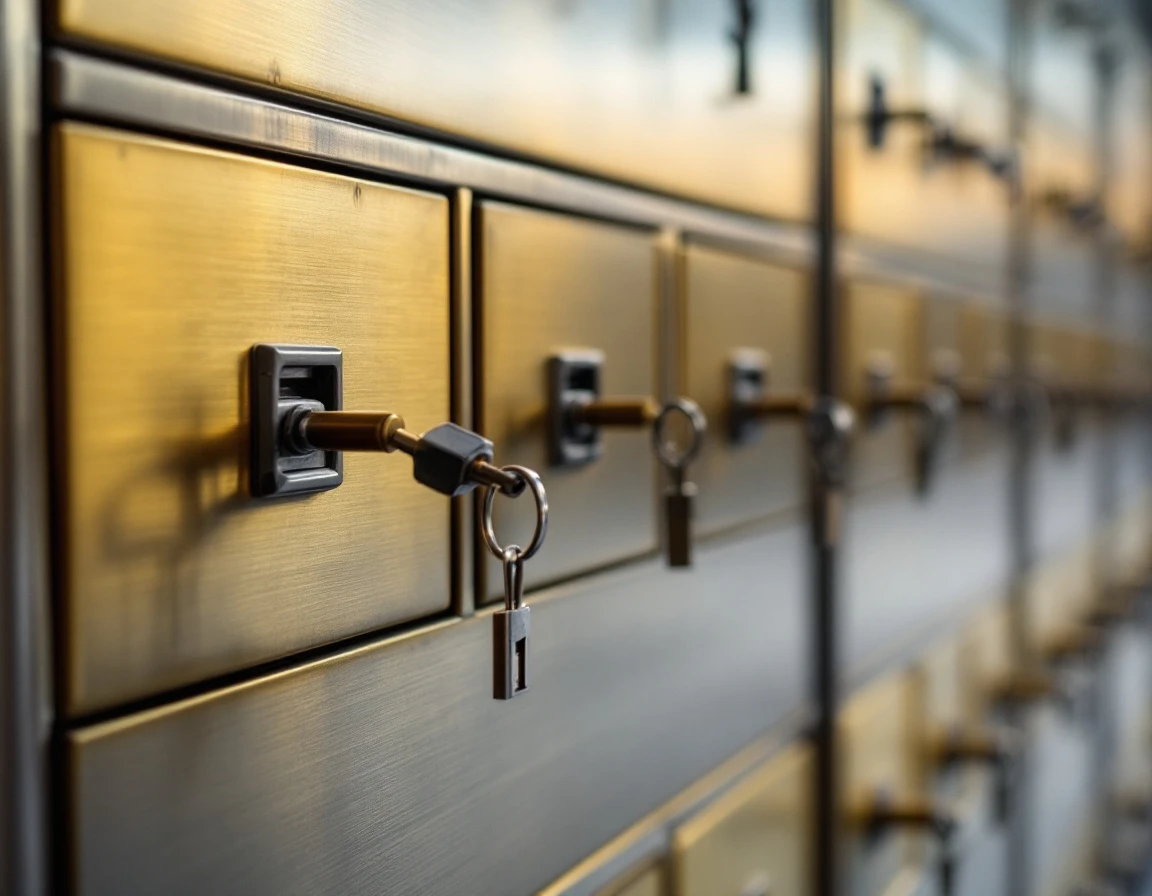
Five Common Violations That Trigger Audits
USPS postal inspectors follow specific patterns when flagging CMRA locations for investigation. Understanding the violations that appear most often helps you identify gaps before an audit happens. Each violation represents a fraud risk that regulators prioritize, and many operators unknowingly commit multiple infractions.
Violation 1: Renting Boxes Without Government-Issued ID Verification
Customers must present government-issued identification before renting a mailbox. USPS tracks incomplete customer files during routine inspections and flags locations that skip this step. Operators who accept utility bills, expired IDs, or skip verification create audit triggers. This violation can result in fines starting at several thousand dollars and immediate suspension of your CMRA authorization.
Violation 2: Operating Unmanned Locations or Failing to Staff Posted Hours
CMRAs must maintain physical presence during all posted business hours. Unmanned facilities cannot verify mail recipients or respond to inspector inquiries. Postal auditors visit locations unannounced, and closed doors during stated hours constitute immediate violations. Operators who rely on security cameras alone or extend hours beyond actual staffing availability face enforcement action and potential license revocation.
Violation 3: Accepting Mail Without Maintaining Current Customer Addresses
Every customer must provide and update their actual physical address where they receive personal mail. Missing or outdated address records signal mail forwarding schemes that USPS actively monitors. This violation can trigger fines exceeding five thousand dollars, particularly when linked to fraud investigations. Collect this information at signup and verify it annually.
Violation 4: Poor Record-Keeping or Missing Documentation During Audits
Inspectors require immediate access to customer files, USPS Form 1583 copies, and ID verification records. Operators who cannot produce complete documentation within minutes during an audit face escalated penalties. Disorganized filing systems, missing forms, or digital records without proper backups create compliance failures that inspectors document and penalize.
Violation 5: Failing to Forward Mail Promptly or Holding Beyond 30 Days
Mail must be forwarded or made available for pickup according to customer agreements, never held longer than 30 days without customer contact. Extended holds suggest mail interception schemes. Operators who lack systems to track mail age or ignore forwarding requests face both fines and customer complaints that trigger additional scrutiny.

How to Fix Violation 1: Skipped ID Verification
Before handing over any mailbox key or issuing a box number, collect and verify government-issued identification. Acceptable documents include a driver's license, passport, state ID card, or military ID. Confirm the name and photograph on the ID match the person standing at the counter—then document that verification in writing.
Skipping this step or accepting informal identification leaves no paper trail. USPS inspectors reviewing records assume the worst: that you issued the box without knowing who the renter really is. That creates immediate fraud liability and regulatory exposure. Operators who fail to verify identity face service suspension, because USPS cannot distinguish negligence from intentional complicity in mail fraud.
Audit your signup process today. If you're not physically inspecting government ID and recording the ID type, number, and expiration date before issuing a mailbox, you're operating outside compliance and vulnerable to enforcement action.
How to Fix Violation 2: Unmanned Location Hours
USPS mandates that a staff member be physically present during every posted business hour to verify customer identity, accept mail deliveries, and process requests on demand. Unstaffed drop-boxes, after-hours-only access points, or self-service kiosks without human oversight all violate CMRA rules. This violation appears when operators list business hours but staff the counter inconsistently or close early without updating posted schedules.
Run this simple test: if a customer walks through your door during posted hours, can someone verify their ID, hand them mail, or process a forwarding request immediately? If the answer is no—because staff stepped out, works remotely, or only checks in twice weekly—your location fails compliance. USPS inspectors validate this requirement by visiting during posted hours and documenting whether staff are present and able to perform CMRA duties on-site.
How to Fix Violation 3: No Current Address on File
Every customer must have a current, verified mailing address on record—and you must update it immediately when the customer notifies you of a change. USPS requires address validation before mail can be accepted for forwarding, and outdated or missing addresses create mail fraud liability that inspectors flag during audits.
The most common mistake: operators never ask customers for updated addresses after the initial application, or they accept addresses without verifying they're actually valid residential or business locations. This leads to mail forwarded to invalid addresses, packages held indefinitely at the CMRA location, and customer complaints.
Require customers to provide a valid residential or business address before mail forwarding begins, and review addresses quarterly to confirm they remain current. This prevents lost mail, protects against fraud exposure, and keeps USPS inspectors from finding compliance gaps.
Self-Audit Checklist for Operators
Running this checklist monthly or quarterly puts you ahead of federal inspectors. Treat it as a proactive defense against compliance gaps that trigger USPS audits and penalties. Print this section, keep it near your workstation, and block time each month to verify every item before regulators do.
Customer File Documentation: Confirm every active mailbox has a government-issued ID copy on file showing name and photo. Verify the mailing address matches your current records and has been updated within the past year. Check that the customer application form includes a signature, date, and CMRA disclosure statement acknowledging the mailbox is not a USPS post office box.
Operational Standards: Verify your business hours are posted visibly at the entrance and that staff coverage matches those posted times without gaps. Review mail hold procedures to confirm no customer mail sits unclaimed beyond thirty days. Audit signature logs to verify every mail pickup or delivery request has a dated signature matching the authorized recipient list.
Record Retention: Confirm customer files, ID copies, and signature logs from the past three years remain accessible and organized. If you find gaps—missing ID copies, outdated addresses, or incomplete signature logs—document the specific deficiency, pull the affected customer files, and request updated information immediately. ParcelPuffin's mailbox management feature tracks ID expiration dates, flags missing documentation, and automates address verification reminders, helping you maintain audit-ready files without manual tracking.

Next Steps: Document and Monitor
Compliance isn't a one-time checklist you complete and forget. The operators who avoid audits treat CMRA regulations as an operational discipline built into their daily routines. That means implementing systems and procedures that keep documentation current, staff trained, and records ready for review at any moment.
Start by implementing or reviewing your customer documentation system. Verify that every active mailbox has a complete file with ID copies, signed Form 1583. And current contact information. Next, train your staff on CMRA requirements and verification procedures so everyone at the counter knows what documents to collect and how to spot incomplete applications before they become compliance gaps.
Schedule regular compliance reviews at least quarterly. Set a recurring calendar reminder to spot-check customer files, confirm address updates, and verify that records remain organized and accessible for audit readiness. This routine prevents small gaps from becoming reportable violations.
Mailbox software like ParcelPuffin automates record-keeping, flags incomplete files, and tracks verification dates so nothing slips through the cracks. Operators who lock in these practices today avoid the stress and cost of an audit tomorrow.