
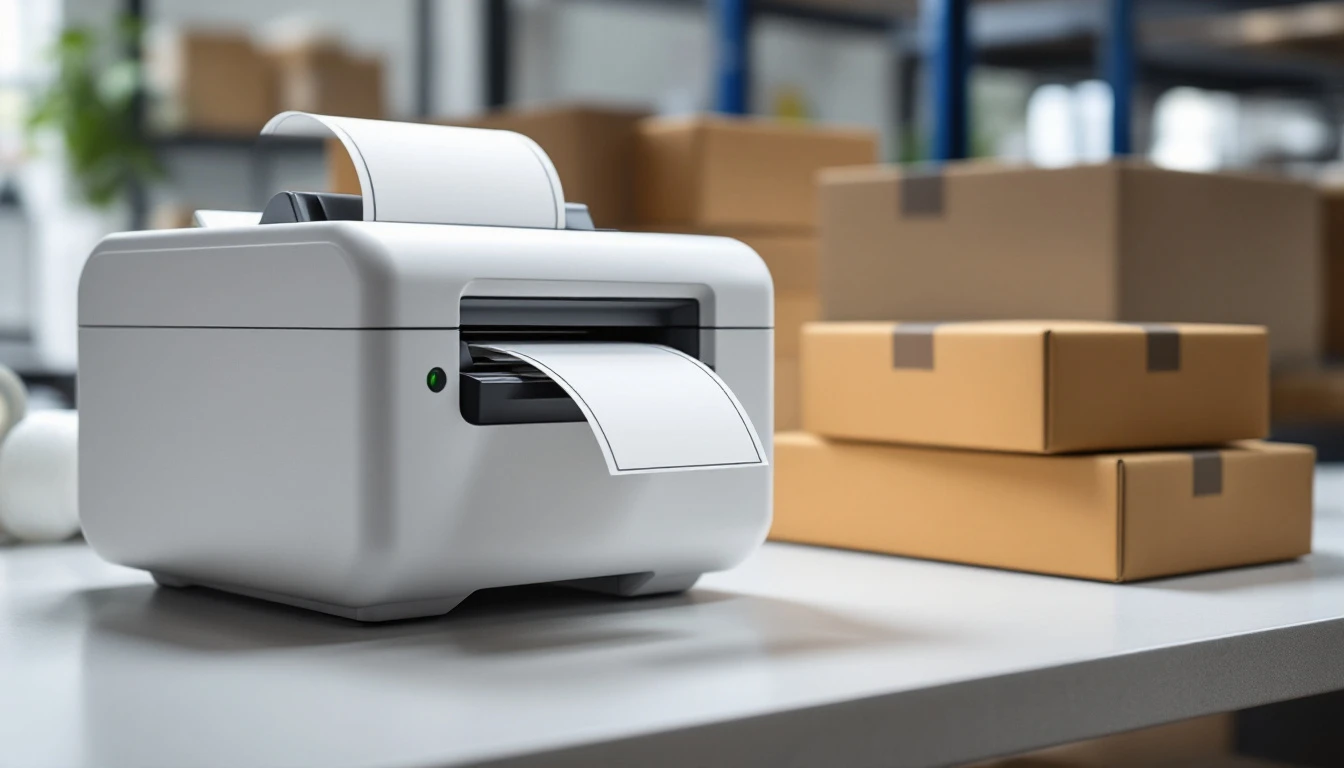
Why Returns Are Your Next Revenue Line
Returns handling represents one of the fastest-growing service opportunities for independent shipping stores — a way to capture revenue while solving a genuine customer problem. By automating returns processing, pack and ship retailers can turn what has traditionally been a labor sink into a profit center.
Returns volume peaks July–December; manual processing drains staff capacity
Returns volume climbs sharply from July through December, driven by back-to-school purchases, holiday shopping, and end-of-year gift exchanges. During this window, manual returns processing consumes between 40 and 60 percent of available staff labor — checking items against receipts, re-packaging products, and generating carrier labels one transaction at a time.
Amazon fulfillment centers turn around returns in 24 to 48 hours using automated intake scanners and centralized restocking workflows. Independent stores running manual processes average five to seven days, mainly because each return requires individual staff attention and coordination with multiple carriers or merchants.
Returns handling becomes a genuine profit center when priced correctly.
When you price returns handling as a standalone service — including inspection, repackaging, carrier selection, and label generation — you capture margins between 18 and 35 percent. That compares to the 2 to 4 percent margin most stores earn on outbound shipping alone, where carrier costs dominate the equation.
Your local advantage matters here. Customers prefer walking into a nearby store to return an item rather than printing labels at home and scheduling pickups. That convenience creates a service opportunity that fulfillment centers can't match, especially for same-day drop-offs and immediate refund confirmations.
Three Core Automation Technologies for Returns Management
Three affordable automation tools work together to eliminate the manual data entry, paper shuffling, and barcode scanning that slow returns processing to a crawl. Think of them as a menu: each addresses a specific labor bottleneck, and together they cut processing time from hours to minutes.
- Returns intake software captures customer data, item condition, and return reason at the point of entry. Instead of handwriting details on a form or typing them into a spreadsheet, staff use a tablet or workstation to log the return as it arrives. The software stores photos, notes, and tracking numbers in one place, so nothing gets lost between intake and final disposition.
- Restocking workflow systems route items to the right destination — repair, resale, or carrier pickup — using barcode tracking. When you scan an item, the system tells you where it goes based on condition codes logged at intake. This eliminates guesswork and the frequent problem of returns sitting in limbo because no one knows what to do with them.
- Carrier label generation platforms automatically create return shipping labels by pulling data from the intake step. Manual data entry drops measurably because the system already knows the destination, package dimensions, and carrier preference. Staff print and apply labels in seconds rather than minutes.
These three tools are off-the-shelf solutions, not custom builds. Most integrate with existing POS systems and require minimal training to deploy.
Implementation Roadmap: 90-Day ROI Path
Breaking the automation rollout into three distinct phases prevents operational disruption while building staff confidence. Each phase funds the next through measurable efficiency gains, turning your returns service into a profit center within a single quarter.
Phase 1 (Weeks 1–4): Intake Foundation
Deploy returns intake software and train counter staff to capture customer data, item condition, and destination at the point of drop-off. Establish baseline metrics for your current processing time and labor cost per return before any automation changes take effect. Most stores discover they spend 12–18 minutes per return on manual paperwork alone.
Phase 2 (Weeks 5–8): Label Automation
Integrate carrier label generation directly into your intake workflow. Staff select the carrier and service level, then print shipping labels without re-keying customer addresses or package dimensions. Track how much time you save on label creation and monitor error rates on printed labels. Stores typically cut label preparation time to under 90 seconds per return and reduce address errors to near zero.
Phase 3 (Weeks 9–12): Restocking Workflow
Activate barcode-driven restocking systems that route items to inspection, repackaging, or carrier pickup stations. Measure inventory accuracy and time from intake to resale or outbound shipment. Your target outcomes by day 90: bring labor costs down to competitive levels, achieve processing speeds that match industry standards for business-day turnaround, and keep label error rates to a minimum. These metrics position you to compete directly with fulfillment center speed while preserving your local service advantage.
Technology Investment and Pricing
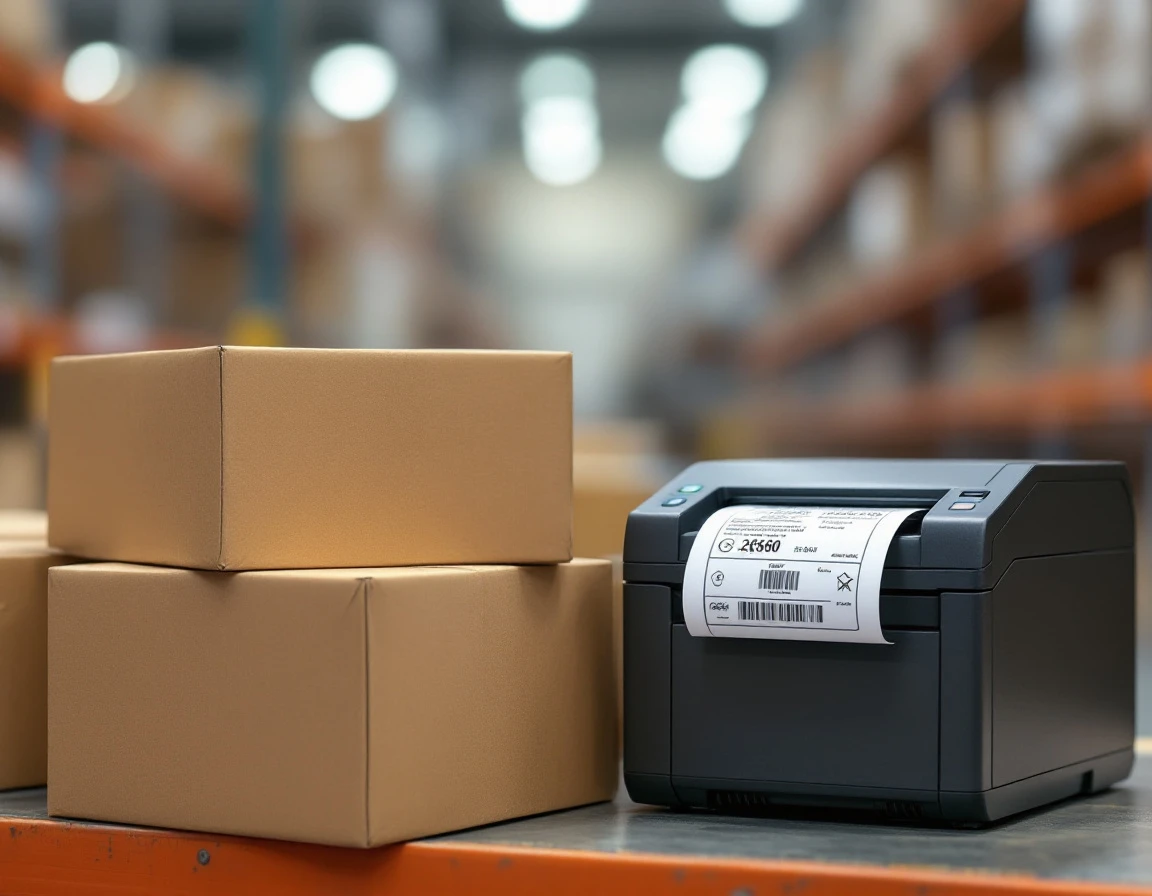
Returns intake software runs $200–$600 per month and covers barcode scanning, condition logging, and customer data capture at the counter. Carrier label generation platforms cost $150–$400 per month. Integrating with UPS, FedEx, and USPS while providing return label templates that eliminate manual entry. Restocking workflow systems track items through resale, repair, or carrier pickup channels and typically run $300–$800 per month. Your total monthly SaaS stack lands between $650 and $1,800. Depending on features and transaction volume.
Here's the payback math: if your store processes 50 returns per week and saves time per return through automation, you're reclaiming 12.5 hours of labor weekly. At $20 per hour, that's $250 saved per week, or $13,000 annually. Scale that same 15-minute savings across all 50 returns and you save $31,250 in annual labor costs. A $1,000 monthly software expense costs $12,000 per year, delivering $19,250 in net annual savings.
The break-even point arrives in roughly four months, and stores processing 40–100 returns per week hit profitability faster as they amortize fixed costs across higher volume.
Pricing Returns Service for Profitability
Establishing returns handling as a standalone service line requires pricing that reflects the full scope of work while remaining competitive with carrier drop-off alternatives. Break the service into component fees: return intake covers condition assessment and barcode entry at $2–$4 per item, label generation runs $1–$2 per label (either bundled into the return authorization fee or passed to the customer), and restocking and logistics encompasses storage, sorting, and carrier routing at $3–$6 per item.
Position this pricing as a convenience fee for professional processing rather than a surcharge. Customers pay for speed and accuracy—returns processed in 24–48 hours instead of the 5–7 days typical of manual workflows. Local stores offer face-to-face service and immediate confirmation, advantages that remote fulfillment centers cannot match.
Target a combined fee of $6–$12 per return transaction. If your store currently receives 200 returns monthly and converts 30–50 into paid service transactions, you create $1,800–$6,000 in monthly recurring revenue. Scale to 40–100 returns per week, and quarterly revenue reaches $12,500–$62,500—a material addition to your bottom line that exceeds traditional shipping margins.
Launch and Q3–Q4 Execution
Plan a soft launch in August 2026 to refine workflows before the September–December peak return season arrives. Use July data from your automation rollout to populate marketing messaging: "Process returns in 48 hours" or "Free condition assessment" communicate speed that manual competitors cannot match. Post these claims on your front door, in transactional emails, and on local business directories where customers research return options.
Train seasonal staff in September using the documented workflows from Phase 1–3. Automation reduces onboarding time because new hires follow software prompts rather than memorizing manual procedures. A new employee can handle intake and label generation within two shifts instead of five.
Monitor daily throughput and error rates starting in October. Track processing time per return. Percentage of items requiring re-work, total volume handled, and revenue per transaction. If volume targets fall short by mid-October, adjust pricing or expand marketing. If error rates climb above baseline, add a quality checkpoint at intake or restocking handoff. Weekly KPI reviews keep the operation responsive during peak months when customer sensitivity to return friction runs highest.